


Why Organic Skincare Is Worth It: A 2026 Guide
Table of Contents
- The Real Reasons Organic Skincare Is Worth It
- Organic vs Conventional Skincare Ingredients: What's Actually Different
- How to Identify Organic Skincare Labels Without Getting Fooled
- Organic Body Wash for Sensitive Skin: What to Look For
- The Downsides of Organic Skincare Nobody Talks About
- How to Patch Test Organic Skincare the Right Way
- Frequently Asked Questions
Last Updated: September 10, 2026
The Real Reasons Organic Skincare Is Worth It
If you have ever wondered why organic skincare is worth it, you are not alone. Parents and sensitive-skin sufferers often ask why organic skincare is worth it, tired of products that promise everything and deliver irritation. The honest answer: organic skincare is worth it when the formulation is built around gentle, plant-derived ingredients that respect your skin barrier rather than strip it, and not worth it when the label is marketing and nothing else.
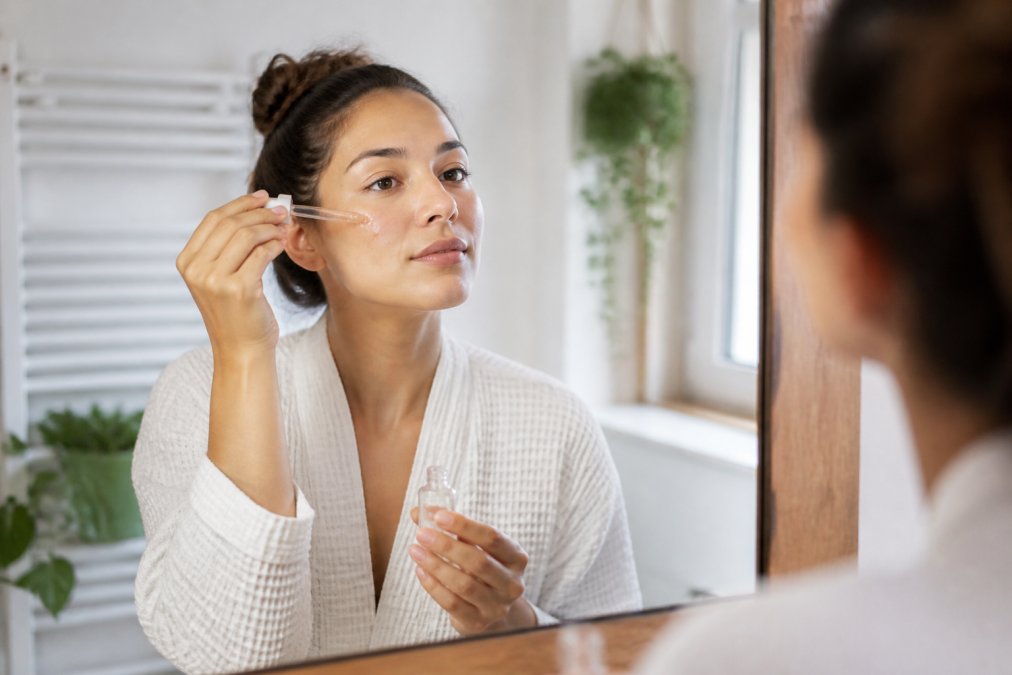
Here is the core argument: organic skincare earns its price when it replaces harsh synthetic chemicals with ingredients your skin can actually tolerate, and when the brand is transparent about what is inside. The FDA's guidance on cosmetics labeling makes clear that "organic" is not a legally enforced term for cosmetics the way it is for food, which is exactly why you need to know what to look for.
Below, we break down the real benefits, the genuine downsides nobody mentions, and how to tell a legitimate organic product from a greenwashed one.
Organic vs Conventional Skincare Ingredients: What's Actually Different
The difference between organic and conventional skincare comes down to how ingredients are grown, processed, and preserved, not the front of the bottle. Organic ingredients are cultivated without synthetic pesticides and fertilizers; conventional products may contain petroleum-derived compounds, synthetic preservatives, and artificial fragrances.
That distinction matters for your skin barrier. Conventional formulas rely on synthetic chemicals like parabens, phthalates, and sodium lauryl sulfate because they are cheap, stable, and predictable; organic formulas lean on botanical extracts, plant oils, and natural preservatives. The trade-off is real: natural ingredients can be less stable, costlier to source, and harder to standardize batch to batch.
How the Two Approaches Actually Behave on Skin
To judge whether organic is worth it, understand what each ingredient class does, not just where it comes from.
- Preservatives. Synthetic preservatives like parabens and phenoxyethanol work across a wide pH range and hold a water-based formula stable for two to three years. Natural alternatives, radish root ferment, sodium benzoate, potassium sorbate, vitamin E, are effective but narrower, often needing an acidic pH, which limits how the rest of the product can be built.
- Surfactants. Sulfates like sodium lauryl sulfate lift oil and create lather but can strip the skin's lipid barrier, leaving it tight or reactive. Coconut- and sugar-derived surfactants (coco-glucoside, decyl glucoside) clean more gently but foam less and cost more.
- Emollients and occlusives. Conventional formulas use petrolatum, dimethicone, and mineral oil because they are inert, non-comedogenic, and cheap. Organic formulas substitute plant oils and butters, jojoba, shea, sunflower, olive squalane, richer in fatty acids but varying in comedogenicity; coconut oil, for example, is highly comedogenic for some skin types despite being natural.
- Penetration enhancers. Conventional products use propylene glycol or ethoxydiglycol to help actives absorb. Organic formulas rely on the natural permeability of plant oils, gentler, but slower visible results.
- Fragrance. Synthetic fragrance can contain dozens of undisclosed compounds and is a leading cause of contact dermatitis. Organic formulas typically use essential oils, but those are not automatically safer: citrus, lavender, and tea tree oils are common sensitizers, especially undiluted or at high concentration.
A common mistake is assuming "natural" and "organic" mean the same thing. They do not: natural ingredients can still irritate (certain essential oils at high concentrations) or clog pores (comedogenic carrier oils).
- Organic: Grown without synthetic pesticides, certified by a third party
- Natural: Derived from plants or minerals, but not necessarily pesticide-free
- Clean: A marketing term with no legal definition
- Non-toxic: Also unregulated, so treat it with skepticism
The USDA National Organic Program does certify organic personal care products, but only when they meet specific agricultural standards. If a brand claims organic without a certification seal, ask why.
The Efficacy Question Most Articles Skip
Here is the trade-off marketing rarely admits: some of the most studied, most effective skincare actives are lab-synthesized, not botanical. Retinol, adapalene, niacinamide, ascorbic acid, and peptides have decades of clinical research and predictable dose-response curves. Botanical extracts, green tea, chamomile, licorice root, centella, have real antioxidant and soothing value, but potency varies by harvest, extraction method, and concentration.
That does not make organic skincare ineffective. Organic is strongest at barrier support, hydration, and reducing irritation, the daily-maintenance layer, while clinical actives win on targeted concerns like pigmentation, fine lines, and acne. Many dermatologists recommend a hybrid approach: an organic or fragrance-free base routine plus a few evidence-backed clinical actives where you need them.
How to Identify Organic Skincare Labels Without Getting Fooled
Learning how to identify organic skincare labels is the most useful skill a conscious buyer can develop. The front of the bottle is marketing; the back is where the truth lives.
Certifications That Actually Matter
Look for third-party seals, not self-made logos. The USDA Organic seal means at least 95% of ingredients (excluding water and salt) are certified organic; NSF/ANSI 305 is another recognized standard for personal care products with organic ingredients (usda.gov). A brand's own "certified organic" badge means nothing.
Red Flags on Ingredient Lists
Scan the ingredient list for these warning signs:
- "Fragrance" or "parfum" listed generically, since this can hide dozens of undisclosed compounds
- Alcohol denat high on the list, which can dry out sensitive skin
- Essential oils listed without dilution percentages, especially for products marketed to children
- Claims like "chemical-free," which is scientifically impossible since water is a chemical
- No preservative system at all, which usually means the product will spoil fast
Organic Body Wash for Sensitive Skin: What to Look For
The best organic body wash for sensitive skin is fragrance-free or uses only low-concentration, skin-safe essential oils, avoids sulfates, and lists every ingredient clearly. Sensitive skin reacts to irritants, so fewer mystery ingredients is better.
When you shop, prioritize these features:
- Fragrance-free or naturally scented: Synthetic fragrance is a leading cause of contact dermatitis
- Gentle surfactants: Look for coconut or sugar-derived cleansers instead of sulfates
- pH balance: Skin sits around pH 4.5 to 5.5, so a body wash in that range supports your skin microbiome
- Hypoallergenic and dermatologist-tested claims: Useful, but verify they come with a real testing standard
Wellaroma offers natural and organic body care products, specializing in essential oil healing solutions designed for the whole family, including those with sensitive and dry skin. If unsure where to start, the Lemon Rosemary Lotion is a gentle daily option, and Lush Skin targets dry, cracked, burning skin with a moisture-locking botanical barrier.

If you want to test a product before committing to a full routine, a patch test is your best tool. We cover the protocol below.
The Downsides of Organic Skincare Nobody Talks About
Organic skincare has real limitations. The two that matter most daily are preservation and cost, both chemistry, not marketing.
Shelf Life and the Preservation Problem
Water is the enemy of shelf life. Any water-based product, lotion, serum, cleanser, cream, hosts bacteria, mold, and yeast the moment it is opened. Conventional formulators solve this with synthetic preservatives like parabens, phenoxyethanol, and methylisothiazolinone, which hold a formula stable for two to three years across a wide pH range.
Organic formulators usually avoid those ingredients, which leaves a narrower toolkit:
- Weak-acid preservatives like sodium benzoate and potassium sorbate. Effective only in an acidic formula, typically below pH 5.5, which constrains the rest of the build.
- Radish root ferment filtrate (leuconostoc). Popular, but narrower protection that can be overwhelmed in a water-rich formula.
- Antioxidants like vitamin E and rosemary extract. These slow oil oxidation, they do not stop microbial growth.
- Anhydrous (water-free) formulas. Balms, oil cleansers, and oil serums sidestep the problem: no water, no microbes.
In practice, a genuinely organic water-based product often lasts only six to twelve months after opening and depends on correct storage. Heat, direct sunlight, and dirty fingers in a jar accelerate spoilage; once it smells off, changes color, separates, or grows a film, it is done. Refrigeration extends life, and pump or airless packaging does more for stability than any single preservative.
Cost, Concentration, and the Trace-Amount Trap
Organic ingredients cost more to grow, certify, and source, so price reflects real input costs. But price alone does not guarantee quality, and the biggest trap is paying a premium for a product where the headline botanical appears in trace amounts.
Ingredient lists are ordered by concentration, with anything under 1% allowed in any order at the bottom. A product can name a prized extract on the front while it sits near the bottom, present for marketing, not effect. Check where the active actually sits: if the botanical you are paying for is listed after the preservative, you are buying the story, not the ingredient.
| Factor | Organic Skincare | Conventional Skincare |
|---|---|---|
| Ingredient source | Plant-based, pesticide-free | May include synthetics |
| Preservation | Narrower toolkit, pH-dependent | Broad-spectrum synthetics |
| Shelf life | Shorter, often 6-12 months after opening | Longer, typically 2-3 years |
| Cost | Higher | Lower |
| Irritation risk | Lower for most, but not zero | Higher with synthetics |
| Transparency | Depends on certification | Often vague |
None of this makes organic skincare a bad buy, just a category you have to read carefully, where honest brands disclose the shelf life, preservative system, and concentration of the ingredients you pay for.
How to Patch Test Organic Skincare the Right Way
Patch testing takes 24 to 48 hours and is the only reliable way to know how your skin will react. Even organic ingredients can trigger sensitivity, especially essential oils and botanical extracts.
Here is the protocol we recommend:
- Clean a small area of skin on your inner forearm or behind your ear.
- Apply a small amount of the product, roughly the size of a pea.
- Leave it uncovered and do not wash it off for 24 hours.
- Check for redness, itching, burning, or swelling.
- If there is no reaction, repeat on a second small area for another 24 hours.
- If both tests are clear, introduce the product to your normal routine one at a time.
Wait before adding a second new product, introduce three at once and react, and you will not know which caused it. If you do react, stop using the product and consult a dermatologist if symptoms persist.
For facial products, the R4 Serum and the All Exfoliating Face Scrub are both formulated with organic ingredients, but patch testing still applies. A serum with active botanicals deserves the same caution as anything else.


Choosing organic skincare is a decision about what you put on your skin every day, and the market makes it harder than it should be. Wellaroma offers natural and organic body care products, specializing in essential oil healing solutions designed for the whole family. Our collection features premium shower oils, aromatherapy survival kits, and targeted treatments like our molluscum cream to help heal the body clear the molluscum virus. We are dedicated to delivering a spa-like experience at home, offering personalized gifts and synergy blends that cater to all skin types, including sensitive and dry skin. Discover the power of nature with our thoughtfully crafted products designed to support your wellness and immunity naturally. Explore the Wellaroma collection and find the routine that fits your family.
Frequently Asked Questions
Is organic skincare really better for your skin barrier?
Organic skincare can be gentler on the skin barrier because it typically avoids harsh synthetic chemicals, sulfates, and synthetic fragrances that strip natural oils. Ingredients like botanical extracts and plant-based oils help maintain hydration and support the skin microbiome. However, not all organic ingredients are automatically safe; essential oils can irritate sensitive skin if not properly diluted. Look for fragrance-free, hypoallergenic formulas and patch test first, especially if you have contact dermatitis or reactive skin.
How can you tell if a skincare product is truly organic?
Check for third-party certifications like USDA Organic or NSF/ANSI 305 on the label. These verify that ingredients meet specific organic standards. Also read the ingredient list: organic products list plant-based ingredients first, avoid synthetic preservatives like parabens, and disclose all components. Be wary of vague terms like 'natural' or 'clean beauty' without certification. A trustworthy organic body wash for sensitive skin will list every ingredient and explain its purpose.
Are there any downsides to using organic skincare?
Yes. Organic products often have shorter shelf lives because they use fewer synthetic preservatives, so check expiration dates and store them properly. They can also cost more due to higher-quality raw materials and smaller batch production. Some natural ingredients like essential oils may cause skin sensitivity in certain people. Additionally, organic formulas may be less cosmetically elegant, but they can still be effective with consistent use.
Does organic skincare work better for sensitive skin types?
For many people with sensitive skin, organic skincare is worth it because it avoids common irritants like synthetic fragrance, dyes, and harsh surfactants. Organic formulas often include soothing botanicals and antioxidants that calm redness and support the skin barrier. However, sensitivity varies; some natural ingredients like essential oils can still trigger reactions. Always patch test and choose products labeled hypoallergenic and dermatologist-tested.

Leave a comment