


Vegan Body Wash: A Complete Guide to Ethical Skincare
Table of Contents
- What Is Vegan Body Wash?
- Why Choose Sulfate-Free Body Wash
- Key Ingredients That Matter in Vegan Formulas
- Understanding Cruelty-Free Body Wash Brands
- How to Choose a Vegan Body Wash for Your Skin
- Vegan Body Wash for Specific Skin Concerns
- The Real Value Behind Natural Formulations
- Frequently Asked Questions
Last Updated: September 28, 2026
What Is Vegan Body Wash?
A vegan body wash is a cleansing product formulated without any animal-derived ingredients or animal testing. Unlike conventional body washes that may contain lanolin, carmine, or other animal by-products, vegan body wash relies entirely on plant-based oils, botanical extracts, and synthetic alternatives to deliver effective cleansing and hydration.
At Wellaroma, we understand that choosing vegan body wash means committing to products that align with both personal wellness and ethical values. Our formulations use organic coconut oil, jojoba oil, olive oil, and vegetable glycerin to cleanse without stripping the skin. The shift toward vegan body wash reflects a broader movement where consumers want transparency about what touches their skin and how it's sourced.
The key distinction between vegan and conventional body washes lies in ingredient sourcing. Many mainstream brands use animal-derived emollients or test on animals during development. Vegan body wash eliminates both concerns. It's not just about avoiding harm, it's about choosing formulations that work because they're designed with plant science in mind, not because they contain cheaper animal-derived fillers.
Why Choose Sulfate-Free Body Wash
Sulfates are surfactants that create lather in traditional body washes. While they're effective at removing dirt and oil, they're also aggressive. Sulfate-free body wash cleanses without the harsh stripping action that leaves skin tight and uncomfortable.
The difference becomes obvious on sensitive skin. Sulfate-free formulations maintain your skin barrier, the protective layer that keeps moisture in and irritants out. When you use sulfate-containing products repeatedly, that barrier weakens, leading to dryness, irritation, and increased sensitivity to other products.
The pH Factor: Why Vegan Formulas Protect Your Acid Mantle
Your skin's natural pH is between 4.5 and 5.5, slightly acidic. This acidic environment, called the acid mantle, is critical for skin health. It inhibits bacterial growth, maintains the skin barrier, and supports the microbiome that protects you from infection and irritation.
Most sulfate-based body washes have a pH of 8 to 10, well above your skin's natural range. This alkalinity disrupts the acid mantle temporarily, which is why your skin feels tight after washing. Your skin spends hours rebalancing its pH, during which it's vulnerable to irritation and moisture loss.
Vegan body washes formulated with plant-based surfactants (saponified oils, decyl glucoside, coco-glucoside) typically maintain a pH closer to 6.5 to 7.5. This is still slightly above skin's ideal pH, but significantly gentler than sulfates.
When you use a vegan body wash consistently, your skin barrier strengthens. You'll notice less itching, less tightness, and improved texture.
Plant-Based Surfactants vs. Sulfates: The Mechanism
Sulfates (sodium lauryl sulfate, sodium laureth sulfate) work by breaking down the lipid barrier, the fatty layer that holds skin cells together. They're indiscriminate; they strip both dirt and the protective oils your skin needs. This is why sulfate-free body washes feel less drying: plant-based surfactants are gentler, targeting dirt and oil without compromising the lipid barrier structure.
Many people assume "no lather" means "not clean." That's the marketing talking. A sulfate-free body wash still removes dirt and oil effectively; it just does it gently. Our Wellaroma body washes use plant-based cleansing agents that work with your skin rather than against it. You'll notice the difference: less itching, less tightness, and skin that actually feels soft after washing.
| Ingredient Type | pH Range | Effect on Skin Barrier | Best For |
|---|---|---|---|
| Sulfates (SLS/SLES) | 8-10 | Disrupts acid mantle, strips lipids | Oily skin (short-term, with consequences) |
| Sulfate-free plant-based | 6.5-7.5 | Maintains acid mantle, preserves lipids | All skin types, especially sensitive |
| Vegan saponified oils | 6.5-8 | Gentle cleanse, supports barrier repair | Long-term daily use, compromised skin |
Why Vegan Formulations Excel at pH Balance
Vegan body washes don't rely on harsh sulfates because they're built on plant science. Saponified coconut oil, olive oil, and jojoba oil create natural surfactants with inherent pH stability. These ingredients have been used in skincare for centuries; their safety profile is established without animal testing. This means vegan brands can use gentler, more skin-compatible surfactants from the start, rather than developing formulations around cheap, harsh chemicals and then trying to offset the damage with moisturizers.
Key Ingredients That Matter in Vegan Formulas
The foundation of any effective vegan body wash comes down to three ingredient categories: cleansing agents, hydrating oils, and botanical extracts. Understanding what each does helps you choose a formula that actually addresses your skin's needs.
Saponified oils form the cleansing base. When plant oils undergo saponification, they become soap, a natural surfactant that lifts dirt without the harshness of sulfates. Coconut oil, olive oil, and jojoba oil are the workhorses here. Olive oil adds conditioning. Jojoba oil mimics skin's natural sebum, so it cleanses without over-drying.
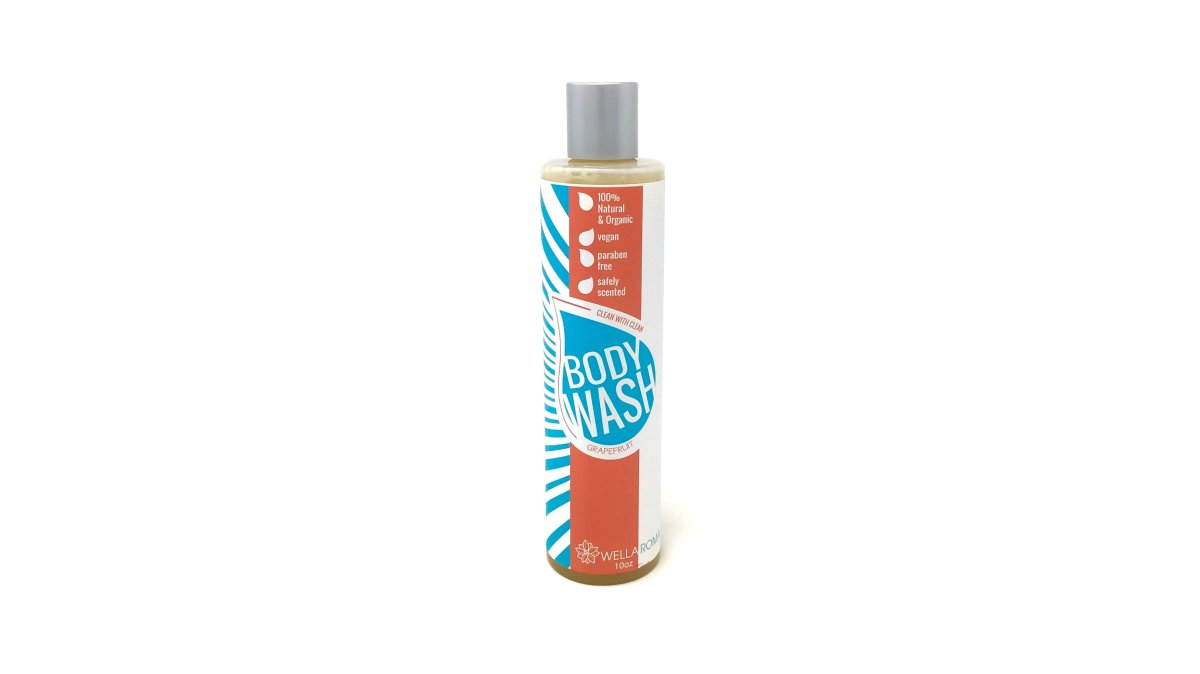
Vegetable glycerin acts as a humectant, pulling moisture into the skin during and after cleansing. This is why vegan body washes with glycerin feel less drying than conventional options. Essential oils add both fragrance and therapeutic benefits. Lavender soothes irritation. Grapefruit energizes. These aren't just scent, they're functional ingredients.
Botanical extracts like rosemary extract serve dual purposes. They're natural preservatives that extend shelf life without synthetic chemicals, and they provide antioxidant benefits to skin. Aloe vera, common in vegan formulas designed for sensitive skin, reduces inflammation and supports the skin barrier.

The best vegan body washes balance these ingredients intentionally. Too much essential oil can irritate. Too little glycerin leaves skin tight. Wellaroma formulations adjust this balance based on the specific formula, our Lavender blend prioritizes calming, while our Grapefruit version emphasizes energizing.

Understanding Cruelty-Free Body Wash Brands
Cruelty-free certification means no animal testing at any stage of product development or ingredient sourcing. It's stricter than simply being vegan. A product can be vegan but not cruelty-free if the manufacturer tests on animals. Conversely, a cruelty-free product might contain animal-derived ingredients like beeswax or honey.
Most consumers use the terms interchangeably, but the distinction matters. When you choose a cruelty-free body wash, you're supporting brands that have committed to non-animal testing methods, cell cultures, human volunteer studies, and computational modeling.
Wellaroma's entire product line is cruelty-free and vegan. Our essential oil-based formulations never required animal testing to validate safety. We use established, well-researched botanical ingredients with decades of safety data. This means you're paying for superior ingredients and ethical sourcing.
How to Choose a Vegan Body Wash for Your Skin
Start by identifying your primary skin concern. Is your skin dry, sensitive, oily, or combination? Vegan body washes come formulated for different needs, and matching the formula to your concern makes a real difference.
For dry skin, prioritize glycerin content and nourishing oils. Shea butter and jojoba oil are non-negotiable. These ingredients create a protective layer that holds moisture in. Look for formulas that mention "hydrating" or "nourishing" explicitly. Wellaroma's body washes contain both jojoba and coconut oil, making them suitable for dry skin types.
Sensitive skin needs pH-balanced formulas with minimal essential oil concentration. Our Baby Body Wash uses a custom essential oil blend at minimal levels specifically for sensitive skin. If you're transitioning from conventional products, start with a gentle formula and give your skin 2-3 weeks to adjust.
For oily skin, you might think you need a stripping cleanser. You don't. Oily skin often overproduces oil because conventional products strip the skin barrier, triggering compensatory oil production. A balanced vegan body wash with moderate glycerin and lighter oils like grapefruit essential oil will actually regulate oil production better long-term.
Test the lather and rinse. Some people need visible lather for psychological satisfaction, that's valid. Vegan body washes vary in lather intensity. Plant-based surfactants create less dramatic lather than sulfates, but they still rinse clean. If heavy lather matters to you, test a small amount first.
Consider scent as a functional choice, not just preference. Lavender calms nervous tension. Citrus blends (lemon, grapefruit, orange) energize. Vanilla soothes. Match the scent to the time of day and your emotional needs. Morning shower?
Vegan Body Wash for Specific Skin Concerns
Sensitive skin requires a formula with minimal irritants and maximum skin-barrier support. Look for products that specifically mention "hypoallergenic" or "dermatologist-tested." Wellaroma's formulations use established, well-researched ingredients that rarely trigger reactions. The vegetable glycerin in our body washes supports the skin barrier, which is the foundation of managing sensitivity.
The Real Value Behind Natural Formulations
Natural doesn't automatically mean better. But intentionally formulated natural products often outperform conventional alternatives because they're built on different principles. Conventional body washes prioritize cost and shelf stability. Natural formulations prioritize skin health and ingredient integrity.
Frequently Asked Questions
What exactly makes a body wash vegan?
A vegan body wash contains no animal-derived ingredients and is not tested on animals. This means it excludes animal byproducts like lanolin, beeswax, collagen, and carmine. Many vegan formulas also avoid synthetic chemicals that harm aquatic life when they rinse away. Look for plant-based cleansing agents, botanical oils, and natural preservatives instead of conventional surfactants and parabens.
Is a sulfate-free body wash always better for sensitive skin?
Sulfates are harsh detergents that strip natural oils from your skin, making them a common trigger for irritation and dryness. Sulfate-free body wash uses gentler plant-based surfactants that cleanse without disrupting your skin barrier. If you have sensitive skin, eczema, or dryness, switching to a sulfate-free formula often reduces itching and redness. However, the specific ingredients matter too, look for added moisturizers like glycerin, shea butter, and coconut oil.
How can I tell if a body wash is truly cruelty-free?
Check the label for 'cruelty-free' and 'vegan' claims. Wellaroma's entire product line is cruelty-free and vegan.
What's the difference between natural and synthetic fragrances in vegan body wash?
Natural fragrances come from essential oils and botanical extracts, while synthetic fragrances are lab-created chemicals. Essential oils like lavender and grapefruit offer aromatherapy benefits and are plant-based, making them ideal for vegan products. Synthetic fragrances can trigger sensitivities and don't provide wellness benefits. If you have sensitive skin or prefer aromatherapy, choose body wash with essential oils and natural fragrance blends.

Leave a comment