


Best Organic Body Wash for Eczema: 2026 Guide
Table of Contents
- What to Look for in Organic Body Wash for Eczema
- Eczema-Safe Ingredients to Look For
- Ingredients to Avoid for Sensitive Skin
- Benefits of Shower Oils for Eczema
- How to Treat Eczema Naturally at Home
- Top Organic Body Wash Options for Eczema Relief
- How to Bathe Safely With Eczema-Prone Skin
- Conclusion
Last Updated: August 29, 2026
What to Look for in Organic Body Wash for Eczema
Finding the right organic body wash for eczema requires understanding what your skin needs. Eczema-prone skin has a compromised barrier that loses moisture rapidly and becomes vulnerable to inflammation. A good organic body wash addresses this by including emollients and lipid-replenishing ingredients.

Key characteristics to prioritize:
- Non-stripping cleansing: Avoid sulfates and harsh surfactants. Soap-free formulas with gentle botanical cleansers work better.
- pH-balanced formulation: Products matching skin's natural pH of 4.5-5.5 minimize irritation and support your barrier.
- Hypoallergenic composition: Fragrance-free or naturally scented options reduce flare-up triggers.
- Ceramide or natural oil content: These lipid-replenishing ingredients seal moisture into your skin.
- Minimal ingredient lists: Fewer additives mean fewer potential irritants.
At Wellaroma, we understand that eczema skin responds best to formulas that respect the skin barrier rather than disrupt it.
Eczema-Safe Ingredients to Look For
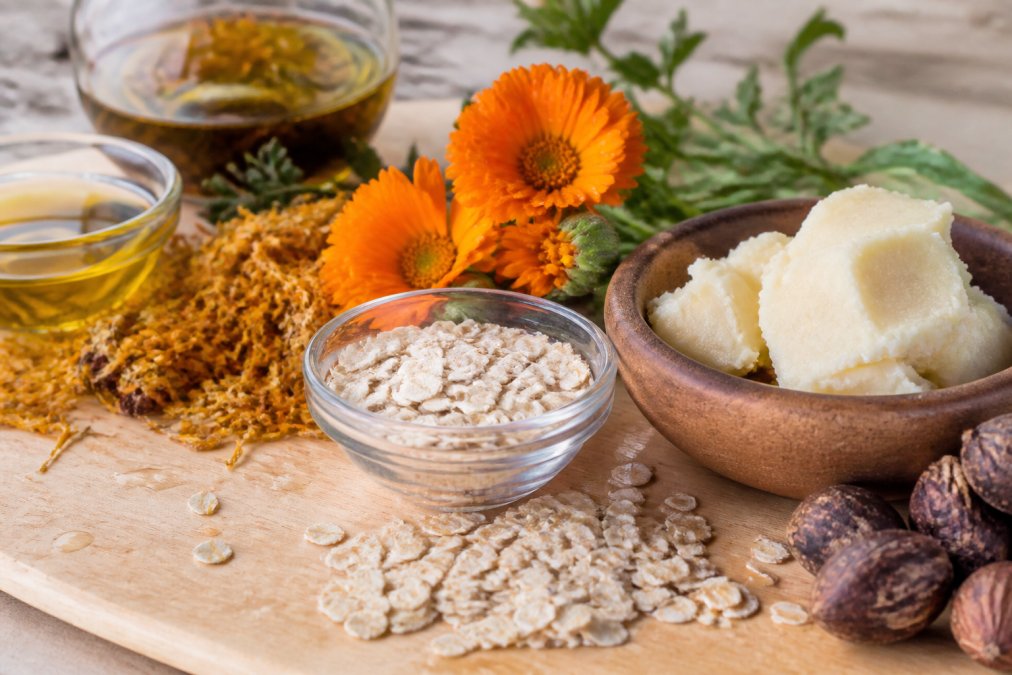
The ingredients in your organic body wash determine whether it heals or harms your skin barrier. Colloidal oatmeal is one of the most clinically validated ingredients for eczema relief, containing avenanthramides that reduce inflammation and itching while providing gentle exfoliation (peer-reviewed research).

Ceramides are lipids naturally found in healthy skin that form the barrier structure. Plant-derived ceramides from sunflower seed oil or shea butter directly replenish what eczema-prone skin loses.
Shea butter and coconut oil function as natural emollients that seal hydration into the skin, containing fatty acids that mimic your skin's natural lipid profile.
Botanical extracts like calendula, chamomile, and aloe vera soothe inflammation and promote healing. Calendula stimulates skin regeneration, while aloe vera's polysaccharides provide cooling relief that reduces scratching during flare-ups.
Glycerin is a humectant that draws moisture from the air into your skin. Plant-based glycerin works similarly to synthetic versions while aligning with organic product standards.
Ingredients to Avoid for Sensitive Skin
What you exclude from your body wash matters as much as what you include. Sulfates (sodium lauryl sulfate and sodium laureth sulfate) strip away your skin's natural protective oils (peer-reviewed research). Fragrance and essential oils present a paradox for eczema skin, while some offer soothing properties, concentrated fragrance irritates sensitive skin. Fragrance-free formulas eliminate this risk entirely.

Parabens and synthetic preservatives trigger allergic contact dermatitis in many people with eczema. Dyes and colorants serve no functional purpose and commonly trigger reactions. Alcohol denat (denatured alcohol) dries skin significantly and disrupts the barrier. Phenoxyethanol is a preservative that some dermatologists flag as a potential irritant; alternatives like sodium benzoate or potassium sorbate provide preservation without the same irritation profile.
Research unfamiliar ingredients before applying them to your skin.
Benefits of Shower Oils for Eczema
Shower oils address a fundamental problem with traditional body washes: they often dry skin during cleansing. Oils coat your skin while you cleanse, preventing transepidermal water loss that happens when water opens your pores.
Many people with eczema experience "shower itch", intense itching minutes after bathing, triggered by rapid evaporation and barrier disruption. Oils used during cleansing significantly reduce this response by slowing evaporation and maintaining hydration.
Shower oils also allow gentler cleansing overall. You don't need harsh surfactants when using an oil-based cleanser, which means less disruption to your skin's natural microbiome. For practical use, apply shower oils to wet skin, massage gently, then rinse.
How to Treat Eczema Naturally at Home
Natural treatment for eczema involves layered strategies that address inflammation, moisture loss, and barrier repair simultaneously.
Hydration timing is critical, apply moisturizer immediately after bathing, while your skin is still slightly damp. Lukewarm water temperature (around 90-95°F) cleanses effectively while minimizing barrier disruption (the American Academy of Dermatology). Bathing frequency and duration matter significantly; keep showers to 5-10 minutes when possible.
Post-bath sealing with occlusive products locks in hydration. After applying your primary moisturizer, consider a thin layer of shea butter or plant-based oil to create a moisture barrier.
Humidity management supports barrier repair between showers. Using a humidifier, especially in winter or dry climates, reduces evaporative stress on your skin barrier.
Fragrance and irritant avoidance extends beyond body wash to laundry detergent, fabric softeners, and tap water quality. Hard water can irritate eczema skin; some people see improvement by filtering shower water or using distilled water for final rinses.
Stress management influences eczema severity through immune system pathways. Practices like gentle yoga, meditation, or warm baths with calming essential oils can reduce flare frequency.
Top Organic Body Wash Options for Eczema Relief
1. African Black Soap for Sensitive, Eczema-Prone Skin
African Black Soap uses plant-derived potash and cocoa pod charcoal to gently lift impurities while the shea butter and coconut oil base nourishes simultaneously. The formula is unscented, eliminating fragrance as a flare trigger.
What makes this option particularly valuable is its simplicity. The ingredient list contains no parabens, sulfates, or synthetic preservatives. The handcrafted bars from Wellaroma are lovingly handcrafted for us in Accra, Ghana, ensuring authentic formulation.
At $5.99 per bar, the cost-per-ounce is exceptionally low compared to other organic options. A single bar lasts longer than liquid body washes because you use less product per wash. The main consideration: this is a bar soap rather than a liquid wash, and bars require a soap dish to prevent waterlogging.
Shop African Black Soap for Sensitive, Eczema-Prone Skin
2. Baby Body Wash: Gentle Essential Oil Formula
This formula prioritizes safety above all else, making it suitable for anyone with severely compromised skin barriers. The ingredient profile includes organic aloe juice, saponified oils (jojoba, coconut, shea butter, olive, and sunflower), organic glycerin, organic guar gum, organic calendula extract, and organic rosemary extract.
Organic aloe juice as the primary ingredient means this formula is hydrating-first rather than cleansing-first, providing cooling relief during flare-ups. At $16.00 for a 10oz bottle, this positions in the mid-range pricing. The gentle formulation means you use less product per wash, extending the bottle's life.
3. Lavender Body Wash: Calming and Soothing
Lavender's reputation for calming inflammation is well-deserved when properly diluted and formulated for sensitive skin. This Wellaroma formula uses organic lavender essential oil at a concentration that provides soothing benefits without triggering fragrance sensitivity.
The base combines organic coconut oil, olive oil, and jojoba oil, addressing moisture retention from multiple angles. Vegetable glycerin and organic guar gum add hydration without synthetic thickeners. Rosemary extract serves as a natural preservative while contributing its own anti-inflammatory properties.
Lavender is documented to reduce anxiety and promote relaxation, which indirectly benefits eczema by lowering stress-related flare triggers. At $16.00 for 10oz, this matches the pricing of most Wellaroma body washes.
4. Lemon Rosemary Body Wash: Botanical Blend
This formula combines lemon essential oil for its cleansing effects and rosemary for antimicrobial and anti-inflammatory benefits. The organic oil base, coconut, olive, and jojoba, ensures lipid-replenishing benefits. Rosemary extract serves dual purposes: as a natural preservative and as an active anti-inflammatory ingredient.
This option appeals to people who want a more "active" cleansing formula that addresses not just hydration but also skin clarity. At $16.00 for 10oz, the scent is fresher and more herbaceous than the lavender option.
Shop Body Wash: Lemon Rosemary
5. Vanilla Bloom Body Wash: All-Skin-Type Formula
Vanilla provides a gentler aromatic experience than citrus or herbal blends, making this formula ideal for people whose eczema is triggered by stronger scents. The formula maintains the same organic oil base as other Wellaroma options: coconut, olive, and jojoba oils combined with vegetable glycerin and organic guar gum.
Vanilla Bloom works well as an all-skin-type formula because the vanilla scent is universally well-tolerated and the base formula is neither too stripping nor too heavy. At $16.00 for 10oz, this matches other Wellaroma body washes.
| Product | Price | Key Benefit | Best For | Scent Profile |
|---|---|---|---|---|
| African Black Soap | $5.99 | Cost-effective, unscented | Budget-conscious, fragrance-sensitive | None |
| Baby Body Wash | $16.00 | Aloe-based hydration | Severe sensitivity, active flares | Minimal lavender |
| Lavender | $16.00 | Calming aromatherapy | Stress-related flares | Floral, soothing |
| Lemon Rosemary | $16.00 | Active cleansing + barrier repair | Combination concerns, clarity | Citrus-herbal |
| Vanilla Bloom | $16.00 | Gentle all-purpose | Scent-sensitive, transition users | Soft, warm |
How to Bathe Safely With Eczema-Prone Skin
Bathing with eczema requires a deliberate approach that minimizes barrier disruption while maintaining hygiene.
Water temperature control is your first line of defense. Lukewarm water (around 90-95°F) cleanses effectively without triggering inflammatory response. Duration limitation prevents excessive water exposure; keep showers to 5-10 minutes when possible.
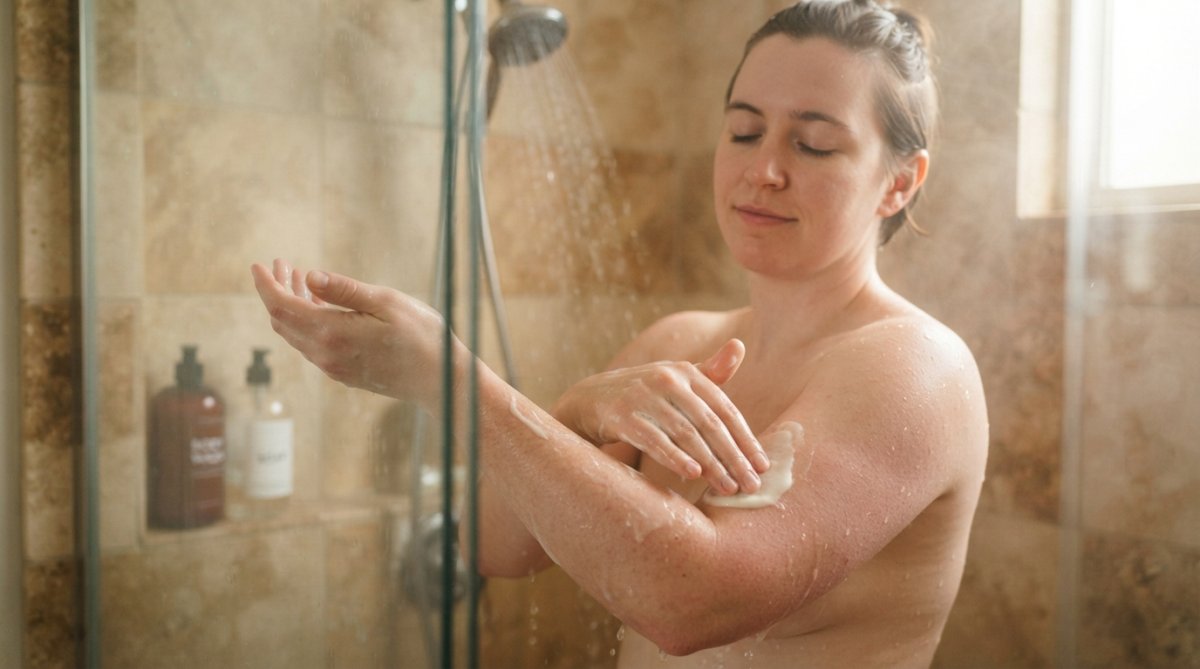
Gentle application technique protects your skin during cleansing. Use your hands or a soft washcloth rather than loofahs or brushes. Apply your organic body wash with light circular motions rather than scrubbing.
Water hardness consideration affects how your skin responds. Consider a shower filter or use distilled water for a final rinse.
Pat-dry methodology matters more than most realize. Gently pat your skin with a soft towel, leaving it slightly damp. This damp state is ideal for applying moisturizer.
Immediate moisturizing is non-negotiable. Apply moisturizer within 3 minutes of bathing, while your skin is still damp. Use generous amounts; eczema skin typically requires more moisturizer than healthy skin.
Conclusion
Choosing the best organic body wash for eczema comes down to understanding your skin's specific needs and testing products systematically. The products from Wellaroma address the core requirements of eczema-prone skin: non-stripping cleansing, barrier-repairing ingredients like ceramides and natural oils, and fragrance formulations that minimize flare triggers. Whether you prioritize the unscented simplicity of African Black Soap at $5.99, the aloe-based hydration of Baby Body Wash, or the botanical benefits of Lavender and Lemon Rosemary formulas, each option delivers genuine relief. Start with one formula, observe your skin's 2-3 week response, and adjust based on what you learn about your individual sensitivities. Get started with Wellaroma's organic body wash collection and discover how the right cleanser transforms both your daily bathing experience and your skin's long-term barrier health.
Frequently Asked Questions
Q: What is the best organic body wash for eczema?
A: The best organic body wash for eczema contains ceramides, colloidal oatmeal, and plant-based emollients while avoiding sulfates and parabens. Look for pH-balanced, fragrance-free formulas that support skin barrier function. Products with organic coconut oil, jojoba oil, and shea butter provide non-stripping cleansing that preserves natural oils and reduces transepidermal water loss, which is critical for eczema management.
Q: What ingredients should be avoided in body wash for eczema?
A: Avoid sulfates, parabens, synthetic fragrances, and dyes that trigger inflammation and flare-ups. Harsh surfactants strip the skin barrier and increase irritation. Artificial preservatives and alcohol-based formulations worsen dryness. Also skip products with fragrance-containing essential oils unless highly diluted, as concentrated oils can irritate sensitive skin. Choose unscented or naturally scented options with minimal essential oil content.
Q: How can I treat eczema naturally at home?
A: Treat eczema naturally by using gentle, organic body wash with ceramides and botanical extracts, bathing in lukewarm water for 5-10 minutes, and moisturizing immediately after. Use humidifiers to maintain moisture in the air, avoid irritants like perfumed products, and wear soft, breathable fabrics. Apply hydrating creams with essential oils like lavender and frankincense to support skin regeneration. Consistency with a microbiome-friendly routine reduces flare-ups over time.
Q: Are organic body washes really better for eczema than conventional options?
A: Organic body washes are typically better for eczema because they exclude synthetic chemicals, pesticide residues, and harsh surfactants that compromise the skin barrier. Organic formulations prioritize hypoallergenic ingredients, lipid-replenishing oils, and dermatologist-tested compositions. While conventional washes may be cheaper, organic options reduce the risk of irritation and flare-ups, making them more cost-effective long-term by preventing eczema progression and reducing treatment needs.
This article was written using GrandRanker

Leave a comment