


Untreated Molluscum Contagiosum: What Happens Next
Table of Contents
- What Untreated Molluscum Contagiosum Really Means
- How Long Does Molluscum Contagiosum Last Without Treatment?
- Molluscum Contagiosum Spreading: How the Virus Moves
- Normal Healing Changes vs. Complications to Watch For
- Observation vs. Treatment: What the Evidence Shows
- When to See a Doctor for Molluscum Contagiosum
- Supporting the Skin While the Virus Runs Its Course
- Conclusion: Making an Informed Choice About Untreated Molluscum
- Frequently Asked Questions
Last Updated: October 13, 2026
What Untreated Molluscum Contagiosum Really Means
Molluscum contagiosum is a viral skin infection caused by a poxvirus that produces small, raised bumps on the skin.
Here is the reassuring part: for most healthy children and adults, the infection is self-limiting. That means the immune system eventually clears it on its own. The catch is timing. Many people find the bumps can take months to fade, and sometimes longer.
So the real question isn't whether untreated molluscum can clear. It's how long it takes, what to expect along the way, and when waiting stops being the right call.
The Virus Behind the Bumps
The molluscum contagiosum virus is a poxvirus that lives in the top layer of skin. It causes small, firm bumps with a tiny central dimple, often called a white core.
The virus spreads through direct skin-to-skin contact and shared items like towels. It does not stay in the body forever. The immune system learns to recognize it and shuts it down.
That process is slow, though. And while it plays out, the bumps can multiply.
How Long Does Molluscum Contagiosum Last Without Treatment?
There is no single answer, and any source that gives you one number is oversimplifying. Most untreated cases in healthy people clear within six months to two years, and a large share resolve around the one-year mark.
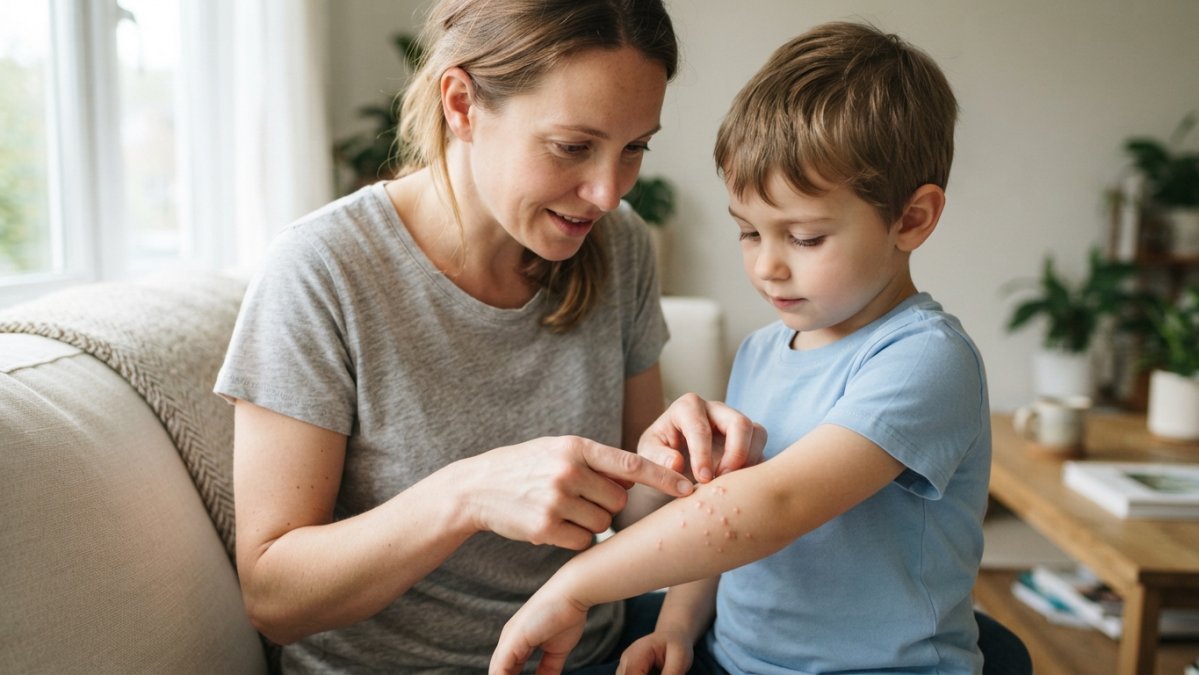
A useful way to think about it: the virus has to run through its full skin cycle before the immune system recognizes it and shuts it down. That recognition step is what takes months, not days.
A Stage-by-Stage Timeline of Watchful Waiting
Rather than a single duration, track the stages. Most practitioners find the untreated course follows a recognizable pattern, though the pace varies widely from person to person.
- Stage 1, Growth (roughly months 1-3): New, firm, dome-shaped bumps with a central dimple keep appearing. This is the most contagious phase. New bumps here are expected, not a sign that something is going wrong.
- Stage 2, Immune response (roughly months 3-6): Some bumps turn red, swollen, or crusty. This is often called the "inflammatory stage," and it is usually a good sign, it means the immune system has noticed the virus and is attacking it. It can look alarming, but it is part of normal resolution.
- Stage 3, Clearance (roughly months 6-12): Bumps crust over, shrink, and fade. Many cases finish clearing in this window. Temporary pink, brown, or pale marks can remain after the bump itself is gone.
- Stage 4, Persistence (beyond 12 months): A smaller group still has active lesions. At this point, reassessment with a clinician is reasonable, not because something is necessarily wrong, but because other options and other diagnoses should be considered.
Why the Range Is So Wide
Several factors push a case toward the long end of the range:
- Age: Young children often take longer because their immune systems are still maturing.
- Immune status: People with weakened immune systems may have more widespread, longer-lasting lesions that respond less predictably to watchful waiting.
- Number of lesions: More bumps generally means a longer course.
- Ongoing spread: If scratching or shared items keep reintroducing the virus, the clock effectively restarts.
- Eczema or other skin conditions: Broken skin gives the virus more entry points and can prolong the outbreak.
When Persistence Warrants Reassessment
The one-year mark is a reasonable checkpoint. If lesions are still active and spreading after about 12 months, or if they are worsening rather than stabilizing, it is worth a medical visit. Reassessment does not commit you to treatment, it simply confirms the diagnosis, rules out look-alikes such as warts or chickenpox, and lets you weigh options with real information.
Molluscum Contagiosum Spreading: How the Virus Moves
Molluscum contagiosum spreading happens in two main ways. The first is person-to-person through direct contact. The second is autoinoculation, where a person scratches a bump and spreads the virus to nearby skin.
That second path is why scratching matters so much. One bump can become a cluster fast.
Transmission also occurs through shared towels, clothing, and bath items. In adults, genital lesions can spread through sexual contact (the CDC).
Reducing Transmission During Watchful Waiting
- Keep fingernails short and discourage scratching or picking
- Give each family member their own towel and washcloth
- Cover bumps with a bandage when possible
- Avoid sharing baths, pools, and gym equipment during active outbreaks
- Wash hands often, especially after touching affected skin
Normal Healing Changes vs. Complications to Watch For
Not every change means something is wrong. In fact, some changes are signs of healing.
Normal healing changes:
- Redness, swelling, or crusting around a bump
- Mild itching as the immune system responds
- A small area of skin discoloration after a bump clears
Complications to watch for:
- Spreading redness, warmth, or pus, which can signal a secondary infection
- Severe itching or pain that disrupts sleep
- Rapid growth in the number or size of bumps
- Bumps near the eyes or on the genitals
Molluscum dermatitis, a form of eczema around the bumps, is common and usually mild (pubmed.ncbi.nlm.nih.gov). But if the skin looks infected or the bumps are spreading fast, call a doctor.
Observation vs. Treatment: What the Evidence Shows
Watchful waiting and active treatment both have a place. The right choice depends on the person, the number of bumps, and how much the infection is affecting daily life.
Clear Skin — Natural Molluscum Contagiosum Cream | Wellaroma →
| Approach | Typical Timeline | Main Drawbacks | Best For |
|---|---|---|---|
| Watchful waiting | 6 months to 2 years | Slow clearance, ongoing spread risk | Mild cases, healthy immune systems |
| Topical treatment | Weeks to months | Possible irritation, cost | Bothersome or spreading bumps |
| In-office procedures | Weeks | Pain, possible scarring | Stubborn or widespread lesions |
Many doctors suggest waiting first, especially for young children. Treatment can be painful and may cause scarring, so it is often reserved for cases that need it.
For families who want a gentler option, [Wellaroma's Clear Skin molluscum cream](https://www.wellaroma.com/products/clear-skin-the-molluscum-destroyer) uses a plant-based blend of tea tree, frankincense, and other essential oils. It is designed to support the skin while the body works to clear the virus.

When to See a Doctor for Molluscum Contagiosum
Watchful waiting is reasonable for many people, but it is not right for everyone. The decision depends less on the bumps themselves and more on who has them and where they are. Use the guidance below to sort yourself or your child into the right next step.
Red Flags That Mean Do Not Wait
Some situations call for medical advice regardless of how mild the bumps look:
- Lesions near or on the eye: Bumps on the eyelid or near the eye can cause irritation, conjunctivitis, or corneal involvement. Do not wait on these.
- Genital lesions in adults: Bumps in the genital area can be spread through sexual contact and may be confused with other sexually transmitted infections. A clinician should confirm the diagnosis.
- Signs of secondary bacterial infection: Spreading redness, warmth, pus, or increasing pain suggests bacteria have entered the broken skin and need evaluation.
- Rapid or widespread spread: A sudden jump in the number or size of bumps, especially over a short period, warrants a visit.
- Immune suppression: People with weakened immune systems, from medication, transplant, or certain medical conditions, can develop extensive, persistent disease that does not follow the usual self-limiting course.
- Significant pain or distress: If itching or pain disrupts sleep, or if the appearance is causing real emotional distress, that is a legitimate reason to seek care.
Guidance by Group
Children: Most healthy children can be watched, and many clinicians prefer to avoid painful treatments in young kids. See a doctor if bumps are near the eyes, spreading quickly, showing signs of infection, or lasting beyond about a year. Also check with a clinician before starting any over-the-counter product on a child's skin.
Adults with genital lesions: Treat these as a reason to see a clinician promptly. The diagnosis should be confirmed, other causes ruled out, and sexual partners considered. Genital molluscum is contagious through skin-to-skin contact.
People with weakened immune systems: Do not default to watchful waiting. Untreated molluscum in this group can become widespread and stubborn, and medical management is usually recommended earlier rather than later.
What to Expect at the Visit
A clinician can usually diagnose molluscum by looking at the bumps, the central dimple and firm, dome-shaped appearance are distinctive. In uncertain cases, they may examine a sample of a lesion under a microscope. From there, the conversation is about whether to continue watching, start a topical treatment, or use an in-office procedure, and what the trade-offs are for your situation.
Supporting the Skin While the Virus Runs Its Course
Gentle skin care makes the waiting period easier. The goal is to keep the skin calm, clean, and protected so the body can do its job.
A few habits help:
- Wash gently with lukewarm water and a mild cleanser
- Pat the skin dry instead of rubbing
- Moisturize daily to reduce dryness and itching
- Keep the affected area covered when possible
- Avoid harsh scrubs, acids, or strong soaps
At Wellaroma, we make natural body care products for exactly this kind of situation. Our shower oils and aromatherapy blends are made for sensitive and dry skin, so they fit into a gentle daily routine without adding irritation.
For adults with sensitive skin, a fragrance-free, gentle routine is often the safest choice. Our products are made with organic ingredients and designed for daily use on delicate skin.
Conclusion: Making an Informed Choice About Untreated Molluscum
Untreated molluscum contagiosum often clears on its own, but the timeline can stretch from months to over a year. Watching and waiting is a valid choice for many families, as long as you watch for signs that it is time to get help.
If you want gentle, natural support while the virus runs its course, Wellaroma is here to help. Our Clear Skin cream, organic shower oils, and aromatherapy kits are made for sensitive skin and designed to support your family's wellness naturally.
Add to cart and give your skin the gentle care it deserves.
Frequently Asked Questions
How long does molluscum last untreated?
Most untreated molluscum contagiosum cases clear within 6 to 18 months, though some can take up to 2 years. The virus runs its course faster in people with healthy immune systems and slower in those who are immunocompromised. Individual bumps typically resolve in about 2 to 3 months, but new bumps can appear as the virus continues to spread until the immune system fully clears it.
Can untreated molluscum spread to other parts of the body?
Yes. Molluscum contagiosum spreading happens easily through scratching or picking at bumps, which transfers the virus to nearby skin. This process, called autoinoculation, is the most common way lesions multiply. Shared towels, washcloths, and bath sponges can also move the virus between family members. Keeping bumps covered and hands washed reduces the risk significantly during the waiting period.
When should you worry about molluscum contagiosum?
See a doctor if bumps become red, swollen, hot, or ooze pus, which may signal a secondary bacterial infection. Also seek care if lesions appear on the eyelids or genitals, if the person has a weakened immune system, or if the rash spreads rapidly. For most healthy children, watchful waiting is reasonable, but persistent or worsening symptoms warrant a medical evaluation.
Can molluscum contagiosum leave scars if it is not treated?
Scarring is uncommon but possible. Untreated molluscum can leave small marks or discoloration after bumps heal, especially if the person scratched or picked at them. Secondary infections from scratching increase the risk of scarring. Gentle skin care, keeping nails trimmed, and avoiding irritation help minimize the chance of lasting marks while the virus resolves on its own.

Leave a comment