


Natural Ways to Boost Child Immunity: 2026 Guide
Table of Contents
- Building Your Child's Immune Foundation with a Balanced Diet
- Immune-Boosting Foods for Toddlers: A Practical Meal Guide
- Gut Health and Immunity in Children: The Digestive Connection
- Essential Oils for Immune Support: Safe Use for Kids
- The Role of Sleep and Physical Activity in Boosting Child Immunity
- Seasonal Immune Planning and Environmental Toxin Reduction
- Vaccination and Natural Immunity: A Synergistic Approach
- Conclusion: Building Year-Round Resilience
- Frequently Asked Questions
Last Updated: September 13, 2026
Building Your Child's Immune Foundation with a Balanced Diet
A balanced diet is the single most reliable way to boost child immunity, because roughly 70% of immune tissue lines the digestive tract (peer-reviewed research). When kids eat a varied mix of whole foods, that tissue gets the micronutrients it needs to fight pathogens. This guide from Wellaroma walks through the practical steps parents actually use, from the dinner table to the diffuser.
The immune system is the body's coordinated network of cells, tissues, and organs that defends against infections and other harmful invaders. It doesn't run on a single "superfood." It runs on consistency: lean proteins, healthy fats, fiber, and antioxidants arriving day after day.
That's the part most parents get wrong. They load up on one trendy supplement and skip the boring basics. Below, we'll show you exactly how to build a routine that holds up through cold and flu season, and which small habits move the needle most.
Immune-Boosting Foods for Toddlers: A Practical Meal Guide
Immune-boosting foods for toddlers are simply whole foods rich in vitamin D, zinc, and antioxidants, served in textures small children will actually eat. Think fatty fish, leafy greens, eggs, yogurt, and berries. The trick isn't the shopping list. It's the presentation.
Start with these staples:

- Fatty fish like salmon, mashed and mixed into rice
- Leafy greens blended into pasta sauce or scrambled eggs
- Full-fat yogurt with live cultures for probiotics
- Berries and citrus for antioxidants and vitamin C
- Lean proteins such as chicken, turkey, and beans
Serve one new food next to two familiar ones. Toddlers reject unfamiliar textures before they reject flavors, so repeated exposure over several weeks matters more than any single meal.
Meal-Planning Strategies for Picky Eaters
Picky eating is a texture and control issue, not a nutrition one. A common mistake is turning mealtime into a negotiation. A better approach is to plan the week around a small rotation of "safe" foods and quietly add one nutrient-dense option to each plate.
- Pick three proteins your child already accepts
- Choose two fruits and two vegetables as anchors
- Add one new food per day, no pressure to eat it
- Prep smoothies with hidden greens and yogurt
- Keep a written list of wins to spot patterns
Gut Health and Immunity in Children: The Digestive Connection
Gut health and immunity in children are tightly linked, because a large share of the body's immune cells sit in the gut lining. A diverse microbiome helps the immune response tell friend from foe. Fiber intake and fermented foods feed that microbiome; antibiotics and ultra-processed snacks can disrupt it.
Practical steps that work in real households:
- Offer a fermented food most days (yogurt, kefir, or a spoonful of sauerkraut)
- Aim for age-appropriate fiber from fruit, vegetables, and whole grains
- Rotate plant foods weekly rather than repeating the same three
- Use probiotics after any course of antibiotics, with your pediatrician's guidance
Consistency beats intensity here. A little yogurt every morning does more than a large dose once a month.
Essential Oils for Immune Support: Safe Use for Kids
Essential oils for immune support can play a supportive role when they're properly diluted and used around, not on, young children. Aromatherapy is not a replacement for medical care. Used carefully, it can support relaxation, which in turn supports the immune response.
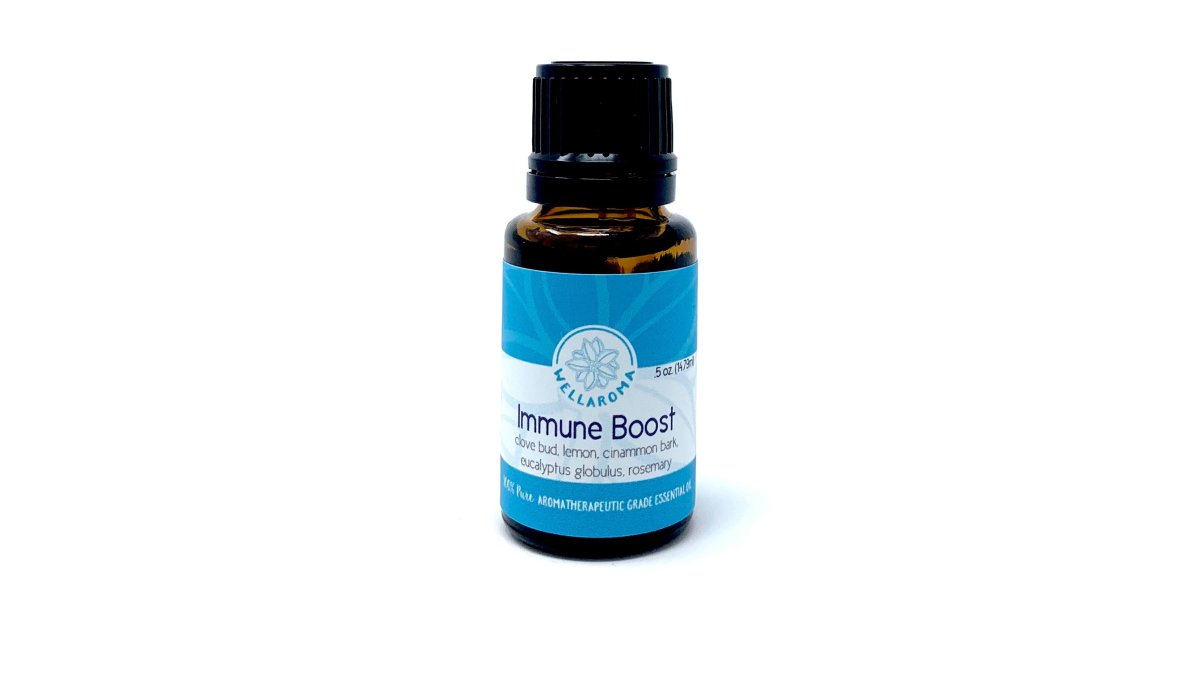
Wellaroma's Cold & Flu Away Kids immune booster roller is pre-diluted and ready to use, which removes the guesswork for parents. For home diffusion, the Immune Boost blend works in a diffuser or as a cleaning additive during cold and flu months.

Dilution and Safety Guidelines
Dilution is where most parents get nervous, and rightly so. The general rule is 0.5% to 1% dilution for young children, meaning a very small number of drops per ounce of carrier oil (naha.org). Never apply undiluted essential oil to a child's skin, and never ingest them.
- Keep oils away from the eyes, nose, and mouth
- Patch-test on a small area 24 hours before wider use
- Skip peppermint and eucalyptus around infants and toddlers
- Store bottles out of reach and diffuse in ventilated rooms
The Role of Sleep and Physical Activity in Boosting Child Immunity
Sleep and physical activity are the two most underrated levers to boost child immunity, and they work through different mechanisms. During deep sleep, the body releases cytokines, proteins that help coordinate the immune response and target infection. Sleep also supports the formation of immunological memory, so the immune system remembers pathogens it has already met. Cut sleep short and you cut the window in which much of that work happens.
Movement matters for a separate reason. Moderate activity increases blood and lymph circulation, which helps immune cells patrol the body and reach tissues where they are needed. It also lowers circulating stress hormones that, when chronically elevated, can blunt immune function.
How Much Sleep Kids Actually Need
The American Academy of Sleep Medicine publishes recommended ranges by age, and they are worth treating as targets rather than suggestions: (aasm.org)
- Infants 4 to 12 months: 12 to 16 hours per 24 hours, including naps
- Children 1 to 2 years: 11 to 14 hours per 24 hours, including naps
- Children 3 to 5 years: 10 to 13 hours per 24 hours, including naps
- Children 6 to 12 years: 9 to 12 hours per 24 hours
- Teenagers 13 to 18 years: 8 to 10 hours per 24 hours
A common pattern is that families hit the weekday target but lose an hour or more on weekends and school breaks, which can leave kids starting the school week already behind. Consistency matters as much as total hours.
Sleep Hygiene That Holds Up
- Keep a fixed bedtime and wake time, even on weekends
- Dim lights and shut off screens 60 minutes before bed; blue light delays melatonin release
- Keep bedrooms cool, dark, and quiet
- Cut caffeine after lunch for older kids; it has a long half-life
- Watch for sleep apnea signs such as snoring or mouth breathing, which fragment sleep and are worth raising with a pediatrician
Physical Activity: How Much and What Kind
The CDC recommends that children and adolescents ages 6 to 17 get at least 60 minutes of moderate-to-vigorous physical activity every day, and that most of it be aerobic. Three days a week should include muscle- and bone-strengthening activity such as climbing, jumping, or body-weight exercises. For younger children ages 3 to 5, the guidance is active play throughout the day rather than a single structured block.
It does not have to be organized sports. Recess, biking, swimming, and playground time all count. The goal is frequency: daily movement beats one long weekend session.
If you change only two things this season, make them a fixed bedtime and daily outdoor play. Both are free, both are backed by mainstream pediatric guidance, and both compound over months.
More is not always better. Prolonged, intense training without adequate recovery can temporarily suppress immune function, so rest days matter for kids in competitive sports.
Pair outdoor play with daylight exposure in the morning. Morning light helps anchor the circadian rhythm, which in turn makes falling asleep at a consistent bedtime easier.
Seasonal Immune Planning and Environmental Toxin Reduction
Most guides treat immune support as a year-round checklist. Two angles they consistently miss are worth building into your routine: planning around the seasons, and reducing the everyday environmental load that quietly stresses a child's system.
A Month-by-Month Immune Calendar
Cold and flu season in the United States generally runs from October through March, with a peak between December and February. Back-to-school in late August and September is when respiratory viruses start circulating widely again. Planning around that timeline means starting habits before the season, not after the first sniffle.
- August: Reset sleep schedules two weeks before school starts. Add a daily probiotic or fermented food. Stock the medicine cabinet and check expiration dates.
- September: Establish hand-washing routines at home and after school. Add a multivitamin if your pediatrician recommends one. Schedule the annual well-child visit.
- October: Get the seasonal flu vaccine if your child is eligible. Increase vitamin D-rich foods as daylight hours shrink. Start diffuser or humidifier routines as indoor air dries out.
- November through February: Prioritize sleep, protein, and produce. Keep a humidifier running in bedrooms; dry air dries mucous membranes and makes them easier for viruses to penetrate.
- March: Begin transitioning to more outdoor time as weather allows. Watch for seasonal allergies, which can mimic cold symptoms and add to immune load.
- April through July: Focus on variety in the diet and outdoor activity. Use the off-season to build habits rather than react to illness.
Environmental Toxin Reduction at Home
A child's immune system is constantly deciding what to respond to. Reducing unnecessary chemical exposures lowers that background load. Practical steps:
- Air quality: Ventilate during cooking, painting, and new-furniture off-gassing. Formaldehyde and volatile organic compounds are common in pressed wood, some paints, and new carpets. A HEPA filter in the bedroom helps during wildfire smoke or high pollen days.
- Cleaning products: Choose fragrance-free options where you can. "Fragrance" on a label can represent dozens of undisclosed chemicals. Simple soap and water is often enough for everyday surfaces.
- Water: Use a certified filter for drinking water, especially in older homes where lead pipes may still be present. Lead exposure is associated with immune and developmental effects.
- Pesticides: Wash produce under running water and scrub firm-skinned fruits and vegetables. Choose organic for the items your child eats most, if budget allows.
- Plastics: Avoid heating food in plastic containers. Use glass or stainless steel for storage and reheating when possible.
Families who want a single seasonal routine rather than a shelf of separate products.
Pair seasonal planning with a simple written checklist on the refrigerator. Parents who track habits on paper tend to keep them longer than those who rely on memory.
Vaccination and Natural Immunity: A Synergistic Approach
Vaccination and natural immunity work together, not against each other. Vaccines train the immune system to recognize specific pathogens safely, while a nutrient-rich diet, sleep, and movement keep that system strong enough to respond. This is preventative care in its most complete form.
Talk with your pediatrician about the recommended schedule for your child's age. Natural approaches support the terrain; they don't replace protection against serious, preventable diseases. The two strategies reinforce each other, and framing them as rivals is the mistake.
Conclusion: Building Year-Round Resilience
Cold and flu season exposes every gap in a child's routine, and patching it after the fact is exhausting. Building resilience year-round, through food, sleep, movement, and gentle aromatherapy, is what actually holds up. Wellaroma makes that easier with pre-diluted kids' rollers, organic immunity blends, and a Mom Essential Bundle for Healthy Happy Kids designed to support the whole family.

Get started with Wellaroma and give your child a calmer, better-supported season. Add to cart.
Frequently Asked Questions
What foods can naturally increase my child's immunity?
Focus on whole foods rich in vitamin C, zinc, and antioxidants. Citrus fruits, strawberries, bell peppers, spinach, and broccoli provide immune-supporting nutrients. Lean proteins like chicken and turkey supply zinc, while fatty fish offers vitamin D. Include probiotics from yogurt or kefir for gut health. A balanced diet with healthy fats and fiber intake helps maintain a strong immune response year-round.
What is the best vitamin for boosting a child's immune system?
Vitamin D is critical because deficiency is common in children, especially during winter. Zinc supports immune cell function, and vitamin C helps protect against infections. A pediatrician can recommend appropriate dietary supplements if your child's diet lacks these micronutrients. Food sources like fatty fish, fortified milk, and leafy greens should come first, with supplements filling gaps when needed.
How does sleep quality impact a child's immune health?
Sleep hygiene directly affects immune response. During deep sleep, the body releases cytokines that help fight infections and inflammation. Children who consistently get adequate rest have stronger natural remedies against pathogens. Establish a calming bedtime routine, limit screens before bed, and keep a consistent schedule to support circadian rhythm. Most children need 9-12 hours depending on age.
Are essential oils safe for supporting a child's immune system?
When properly diluted, essential oils for immune support can be a gentle addition to your child's wellness routine. Always follow age-specific dilution rates, typically 0.5-1% for young children. Pre-diluted rollers like Cold & Flu Away Kids offer a ready-to-use option. Never apply undiluted oils to skin, and consult a pediatrician before using essential oils on children under two.
What role does physical activity play in boosting immunity for kids?
Regular physical activity increases circulation, helping immune cells move through the body more efficiently. Aim for at least 60 minutes of active play daily. Outdoor time also supports vitamin D production and stress management. Activities like biking, swimming, or playground play improve respiratory health and contribute to year-round health. Keep it fun and consistent rather than intense.

Leave a comment