


Natural Treatments for Child Skin Conditions
Table of Contents
- Understanding Child Skin Conditions and Natural Treatment Options
- How to Treat Molluscum Contagiosum Naturally
- Natural Remedies for Baby Eczema
- Essential Oils for Children's Skin Safety and Application
- Supporting Skin Health Through Gentle Routines and Diet
- When to Seek Professional Guidance
- Frequently Asked Questions
Last Updated: August 30, 2026
Understanding Child Skin Conditions and Natural Treatment Options
Natural treatments for child skin conditions have gained significant attention among parents seeking gentler alternatives to conventional approaches. At Wellaroma, we understand that children's delicate skin requires thoughtful care, and many families are exploring how natural remedies and essential oil solutions can support healing while minimizing exposure to harsh chemicals.
Child skin conditions range from common issues like eczema and diaper rash to viral infections such as molluscum contagiosum. Each presents unique challenges, and each responds differently to various treatment approaches. The key lies in understanding what your child's skin actually needs and matching that need with a remedy that delivers real results.

What sets natural treatments apart isn't just their origin, it's their mechanism. Many botanical extracts and essential oils contain compounds that address inflammation, support the skin barrier function, and possess antimicrobial properties. When properly formulated and applied with appropriate dilution rates, these remedies can be both effective and safe for young skin.
How to Treat Molluscum Contagiosum Naturally
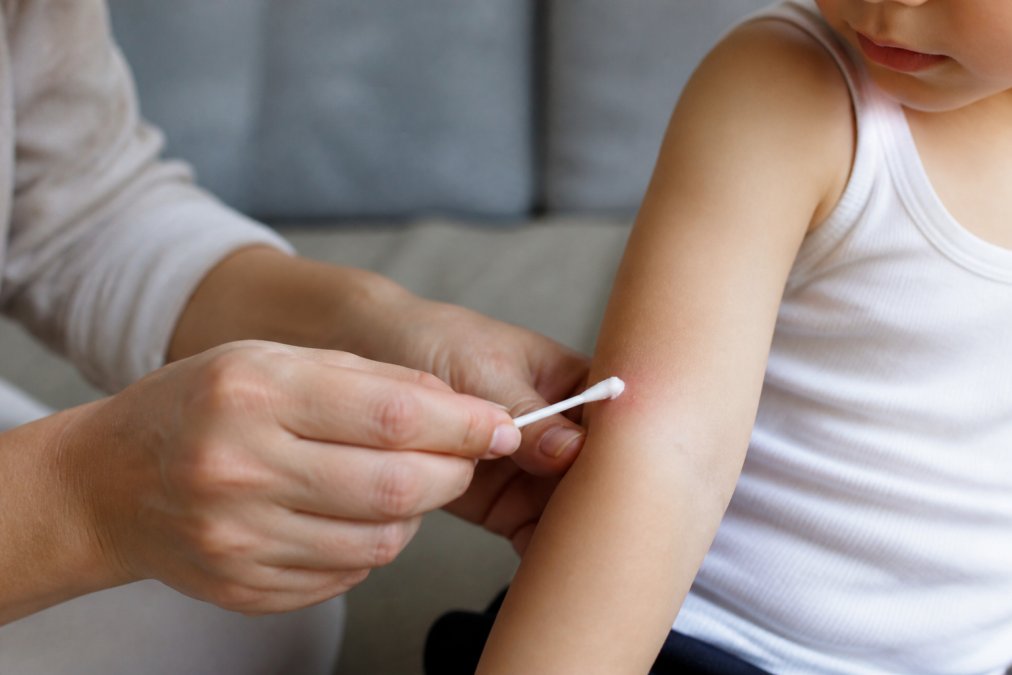
Molluscum contagiosum is a viral skin infection that creates small, firm bumps, typically on the arms, legs, and torso. The condition spreads through direct contact and can persist for months or even years without treatment (the CDC). Parents often feel frustrated after conventional dermatology approaches yield slow results, making natural alternatives worth serious consideration.
Why Natural Approaches Work for Molluscum
Natural remedies work by supporting the body's own immune response rather than attacking the virus directly with harsh chemicals. Essential oils like tea tree oil contain compounds with documented antimicrobial properties that may help the skin recognize and fight the infection more efficiently. The approach focuses on reducing secondary infection risk, since molluscum spreads through scratching, while simultaneously soothing the surrounding skin.
Wellaroma's Clear Skin cream combines essential oils specifically selected for their ability to target the bumps at the source while calming inflammation around them. This dual action helps break the itch-scratch-spread cycle that keeps molluscum active. The cream is formulated without harsh acids or prescription-strength ingredients, making it suitable for children's sensitive skin.

Step-by-Step Application Protocol
The most effective approach to treating molluscum naturally involves consistency and proper technique. Here's how to apply natural treatments safely:
-
Cleanse the area gently with lukewarm water and a mild cleanser. Pat skin dry completely, moisture can interfere with cream absorption and create an environment where the virus thrives.
-
Apply the treatment cream using a clean applicator or your fingertip. Use only enough to cover the bumps and a small margin of surrounding skin. More product doesn't mean faster results; proper coverage is what matters.
-
Allow the cream to absorb for at least 10-15 minutes before dressing. This absorption time is critical for the active compounds to penetrate the skin barrier and begin working.
-
Apply twice daily for consistent results. Most natural treatments require regular application to build efficacy over time. Morning and evening routines work well for most families.
-
Continue for 8-12 weeks even if you see improvement earlier. Molluscum can return if treatment stops too soon. The virus needs time to fully clear from the body.
-
Monitor for secondary infection during treatment. If bumps become increasingly red, warm, or develop pus, consult a healthcare provider. Natural treatments prevent infection but cannot replace medical care if infection develops.
Natural Remedies for Baby Eczema
Eczema in infants and young children creates intense itching, redness, and discomfort that affects sleep and daily functioning. The condition stems from a compromised skin barrier function, the skin cannot retain moisture effectively and becomes vulnerable to irritants. Natural remedies for baby eczema focus on restoring that barrier while soothing inflammation.
Colloidal Oatmeal Baths for Itch Relief
Colloidal oatmeal has been used for generations to calm inflamed skin, and modern research supports its effectiveness. When oatmeal is ground into a fine powder and suspended in bathwater, it creates a soothing emollient that coats the skin and reduces itching within minutes.
To prepare a colloidal oatmeal bath, grind plain rolled oats in a food processor until they reach a powder consistency, about 2-3 minutes of processing. Add one cup of the powder to lukewarm bathwater. The water should feel comfortable to your touch, never hot, as heat can actually trigger flare-ups in eczema-prone skin. Let your child soak for 10-15 minutes while gently pouring the oatmeal water over affected areas.
The key advantage of colloidal oatmeal is its dual action: it moisturizes while it soothes. Unlike some remedies that only address one aspect of eczema, oatmeal baths work on both the inflammation and the moisture deficit that causes the condition. Most parents notice visible improvement in itching within the first bath, though full skin healing takes consistent application over weeks.
Coconut Oil and Emollient-Based Care
Coconut oil serves as a powerful emollient that supports the skin barrier function by creating a protective layer that prevents transepidermal water loss. For babies and young children with eczema, applying coconut oil immediately after bathing, while skin is still slightly damp, locks in moisture and provides hours of relief.
Apply a thin layer of organic, cold-pressed coconut oil to damp skin. Avoid applying to already-dry skin, as this reduces effectiveness. The oil works best as a sealant rather than a standalone treatment. Some families find that coconut oil alone isn't enough and pair it with other remedies for better results.
Wellaroma's approach to emollient-based care incorporates coconut oil within formulations designed specifically for children's skin. The Clear Skin System includes products that work together, treating the immediate concern while restoring skin health over time.

Aloe Vera for Soothing Inflammation
Aloe vera contains compounds that reduce inflammation and promote healing in irritated skin. For eczema, aloe vera works best as a soothing agent applied directly to inflamed areas after bathing. The gel cools the skin and provides immediate relief from itching.
Extract fresh aloe gel from a leaf and apply directly to affected areas, or use pure aloe vera products without added dyes or alcohols. Allow the gel to dry naturally rather than washing it off immediately. The longer aloe remains on the skin, the more time its active compounds have to reduce inflammation.
One important caveat: aloe vera alone doesn't restore the skin barrier function the way emollients do. Use aloe vera as part of a comprehensive approach that includes moisturizing oils and gentle cleansing routines.
Essential Oils for Children's Skin Safety and Application
Essential oils offer powerful benefits for children's skin conditions, but they require careful handling and proper dilution to ensure safety. Undiluted essential oils can irritate young skin or cause sensitization with repeated exposure. Understanding dilution rates and application protocols is non-negotiable when using these concentrated plant extracts on children.
Dilution Rates and Age-Appropriate Protocols
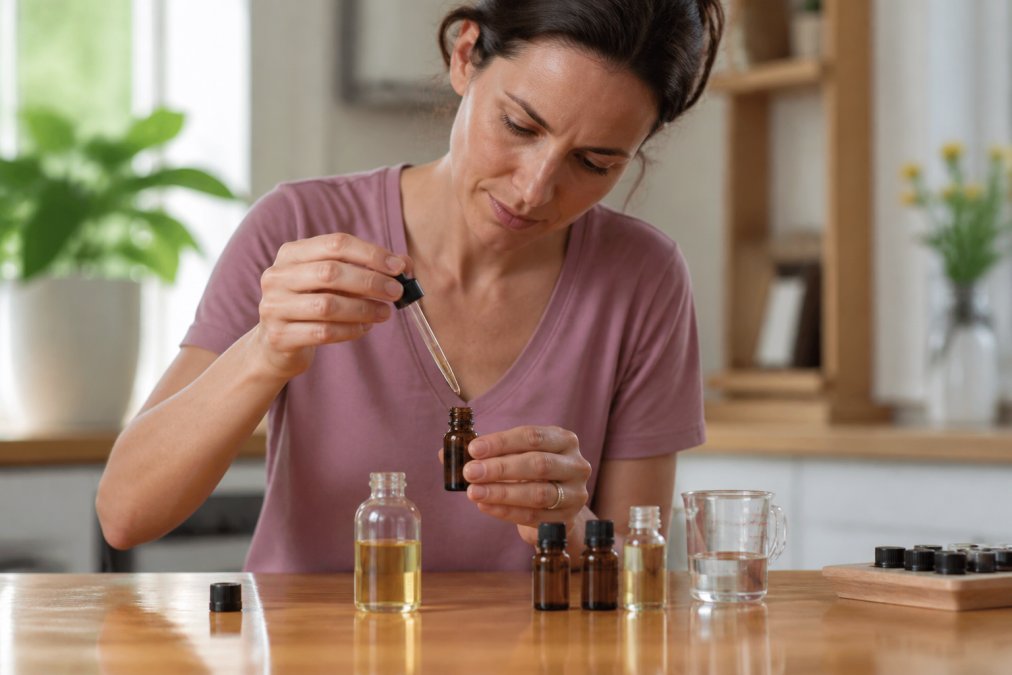
Essential oil dilution rates vary significantly by age. For children under 3 years, dilution should not exceed 0.5% to 1%, meaning no more than 3-6 drops of essential oil per ounce of carrier oil (peer-reviewed research). For children ages 3-6, dilution can increase to 1-2%, and for children over 6, up to 3% is generally considered safe for topical application.
These percentages matter because they determine whether the oil supports healing or causes irritation. A common mistake is assuming that "natural" means "safe at any concentration." Essential oils are potent plant extracts, and respect for their strength is essential.
Wellaroma formulates all children's products with age-appropriate dilution rates built in. When you select your child's age during checkout, the cream is prepared at the exact concentration that research suggests is safe and effective for that developmental stage. This removes the guesswork from essential oil application.
Patch Testing for Children: A Critical Safety Step
Patch testing should happen before any new topical product touches your child's skin, especially with essential oils. This simple protocol takes 48 hours but prevents allergic reactions and sensitivity issues that could complicate your child's condition.
Apply a small amount of the product, about the size of a pea, to the inside of your child's wrist or behind the ear. These areas have sensitive skin similar to the face and neck, making them ideal test sites. Cover loosely with a bandage if your child might scratch it off. Wait 48 hours and observe for any redness, swelling, itching, or rash.
If no reaction occurs, the product is likely safe for broader application. If redness or itching develops, discontinue use. Patch testing is especially important for children with atopic dermatitis or a family history of allergies, as these children have higher sensitivity risk.
Supporting Skin Health Through Gentle Routines and Diet
Natural treatments work best within the context of comprehensive skin care that addresses both external and internal factors. A child with eczema or other skin conditions benefits from gentle daily routines combined with dietary support that strengthens skin health from within.
Gentle Skin Care Routines That Protect the Barrier
The foundation of healthy skin in children is a routine that cleanses without stripping. Many commercial children's soaps contain sulfates and other surfactants that disrupt the skin barrier function and worsen conditions like eczema. Switching to gentle, hypoallergenic cleansers makes an immediate difference.
Wellaroma's Naked Soaps, Aloe Baby formula provides a gentler alternative made from saponified organic oils without added chemicals. One bar costs just $5.50 and lasts through multiple baths, making it an economical choice for families. The soap contains aloe vera and essential oils selected for their soothing properties.
A complete gentle routine includes:
- Cleanse with lukewarm water and a mild soap once daily
- Apply moisturizer or emollient within 3 minutes of bathing while skin is still damp
- Avoid hot water, which strips natural oils and triggers flare-ups
- Use soft washcloths or hands rather than rough materials
- Pat skin dry gently rather than rubbing
Dietary Modifications and Nutritional Support
The skin barrier function depends on adequate nutrition, particularly healthy fats, vitamins, and minerals. Children with inflammatory skin conditions often benefit from dietary adjustments that reduce inflammatory triggers and support skin healing.
Common dietary modifications include reducing processed foods high in refined sugars and increasing omega-3 fatty acids from sources like fish, flaxseed, and walnuts. Vitamin D plays a crucial role in immune function and skin health; many children benefit from adequate sun exposure or supplementation during winter months.
Probiotics support the skin microbiome and may help reduce flare-ups in children with atopic dermatitis. Fermented foods like yogurt and kefir introduce beneficial bacteria, though some children find dairy triggers their eczema. Individual responses vary significantly, making observation and adjustment essential.
Environmental Triggers and Prevention
Beyond what goes on or in your child's body, environmental factors significantly influence skin health. Humidity levels, temperature, allergens, and irritant exposure all affect flare-up frequency and severity.
Maintain indoor humidity between 40-60% during winter months when heating systems dry the air (the NIH). Use a humidifier if your climate is naturally dry. Avoid exposing your child to known irritants, common culprits include fragranced laundry detergents, fabric softeners, and certain fabrics like wool or synthetic blends that trap heat and moisture.
Watch for seasonal patterns in your child's skin. Many children experience worsening eczema during winter due to dry air and heating, while others struggle more in summer heat. Identifying your child's specific triggers allows you to adjust routines and prevention strategies accordingly.
When to Seek Professional Guidance
Natural treatments support healing and provide relief for many common child skin conditions, but they cannot replace medical evaluation when certain warning signs appear. A healthcare provider should assess your child if:
- Skin becomes increasingly red, warm, or develops pustules or drainage
- Your child develops fever alongside skin symptoms
- The condition worsens despite consistent natural treatment over 4-6 weeks
- Your child shows signs of severe discomfort affecting sleep or daily functioning
- You suspect a secondary bacterial infection has developed
- Your child develops new symptoms or the condition spreads rapidly
Natural treatments work best as part of a partnership with healthcare providers. Many pediatricians and dermatologists now support complementary natural approaches when they're safe and evidence-based. Being transparent about what you're using allows your provider to give informed guidance.
Treating your child's skin condition naturally requires patience, consistency, and willingness to observe what actually works for your individual child. Wellaroma's Clear Skin cream ($44.95) offers a targeted approach to molluscum contagiosum that combines essential oils selected for their antimicrobial properties with soothing agents that calm inflammation. For families managing multiple skin concerns, the Clear Skin System ($87.35) provides a complete treatment pathway from initial care through restoration. Start with patch testing, maintain gentle daily routines, and give natural remedies 8-12 weeks to show their full effectiveness. Your child's skin health is worth the investment in approaches that work with their body rather than against it.
Frequently Asked Questions
Are essential oils safe for treating children's skin conditions?
Essential oils can be safe for children when properly diluted and patch tested first. The key is following age-appropriate dilution rates, infants under 3 months typically need 0.5% dilution, while older children can tolerate slightly higher concentrations. Always perform a patch test on a small area 24 hours before full application. Never apply undiluted essential oils directly to a child's skin. Products designed specifically for children, like Wellaroma's Clear Skin System, are formulated at safe dilution rates based on age.
How do I treat my child's skin conditions naturally?
Natural treatment starts with identifying the specific condition, molluscum, eczema, or general sensitivity, then combining targeted remedies with gentle care. For molluscum, essential oil-based creams work by supporting the body's natural immune response. For eczema, colloidal oatmeal baths, coconut oil, and aloe vera provide relief. Always begin with a patch test, maintain a gentle cleansing routine, and avoid common irritants like fragrance and harsh soaps. Consistency matters more than switching between multiple remedies.
What natural ingredients help soothe dry and irritated skin in children?
Colloidal oatmeal is clinically recognized for reducing itching and inflammation in sensitive skin. Coconut oil acts as a natural emollient, restoring the skin barrier and reducing transepidermal water loss. Aloe vera contains antioxidants and soothing compounds that calm inflamed skin. Roman chamomile and lavender essential oils (when properly diluted) support relaxation and reduce scratching. For diaper rash and general irritation, products like Wellaroma's Diaper Rash cream combine these ingredients at safe dilutions for infants and toddlers.
When should I see a pediatrician for a child's skin condition?
Seek professional evaluation if a rash spreads rapidly, shows signs of infection (pus, warmth, swelling), or doesn't improve after two weeks of consistent natural treatment. If your child has atopic dermatitis or severe eczema, a pediatrician can rule out allergic contact dermatitis or secondary bacterial infection. Also consult if your child is under 3 months old before applying any topical remedies. Natural treatments work best alongside professional guidance, not as a replacement for medical care when needed.
This article was written using GrandRanker

Leave a comment