


Natural Aromatherapy for Stress Relief: A 2026 Review
Table of Contents
- What Is Aromatherapy and How Does It Work for Stress?
- Best Essential Oils for Stress and Anxiety
- How to Use Essential Oil Blends for Maximum Benefit
- Aromatherapy Safety Guidelines and Best Practices
- The Science Behind Aromatherapy and Stress Relief
- Product Selection and Cost-Benefit Analysis
- Frequently Asked Questions
Last Updated: September 21, 2026
What Is Aromatherapy and How Does It Work for Stress?
Aromatherapy uses essential oils and aromatic compounds to support wellbeing. When you inhale or apply these oils, scent molecules interact with your olfactory receptors, sending signals directly to your brain's limbic system, the region responsible for emotions, memory, and stress responses.
This is why aromatherapy stress relief has become popular for managing daily tension. Essential oils offer an accessible way to shift your nervous system into a calmer state within minutes, without requiring special equipment or lengthy protocols.
When you inhale certain essential oils, they influence your autonomic nervous system, controlling heart rate, breathing, and stress hormones like cortisol. Lavender, frankincense, and chamomile have properties that promote relaxation and reduce physiological stress markers.
Best Essential Oils for Stress and Anxiety
For stress relief, certain oils consistently support relaxation and emotional balance.
Lavender is the most recognized essential oil for stress management, with a well-documented calming effect. It eases racing thoughts, promotes peace, and blends well with other oils.
Frankincense offers a grounding, woody aroma that supports emotional regulation and encourages slower, deeper breathing, signaling your body it's safe to relax.
Roman chamomile has a warm, apple-like scent and soothes anxiety, especially when stress manifests as physical tension or restlessness.
Geranium brings a floral, slightly sweet note that balances mood and supports emotional resilience.
Clary sage has an herbal, slightly nutty profile and calms an overactive mind, reducing mental fatigue.
Mandarin orange has a gentle, soothing quality that supports calm without overstimulation.
Wellaroma's Calm Roller combines roman chamomile, clary sage, frankincense, geranium, lavender, orange, palmarosa, and ylang ylang for anxiety relief. The portable roller format lets you carry it for stress moments throughout your day.

| Essential Oil | Scent Profile | Best Use | Application |
|---|---|---|---|
| Lavender | Fresh, floral, herbaceous | General stress relief | Inhalation, topical, diffusion |
| Frankincense | Woody, warm, grounding | Meditation, emotional balance | Inhalation, diffusion |
| Roman Chamomile | Warm, apple-like, gentle | Anxiety, restlessness | Inhalation, topical |
| Geranium | Floral, slightly sweet | Mood balance, resilience | Inhalation, topical |
| Clary Sage | Herbal, nutty, earthy | Mental fatigue, clarity | Inhalation, diffusion |
How to Use Essential Oil Blends for Maximum Benefit
The method you choose to use essential oils affects how quickly and intensely you experience their benefits. Different applications suit different situations and preferences.
Inhalation Methods
Direct inhalation is the fastest way to experience aromatherapy stress relief. Open a bottle or roller, bring it near your nose, and take 3-5 deep breaths. Scent molecules reach your olfactory and limbic systems within seconds, ideal for immediate relief during stressful moments.
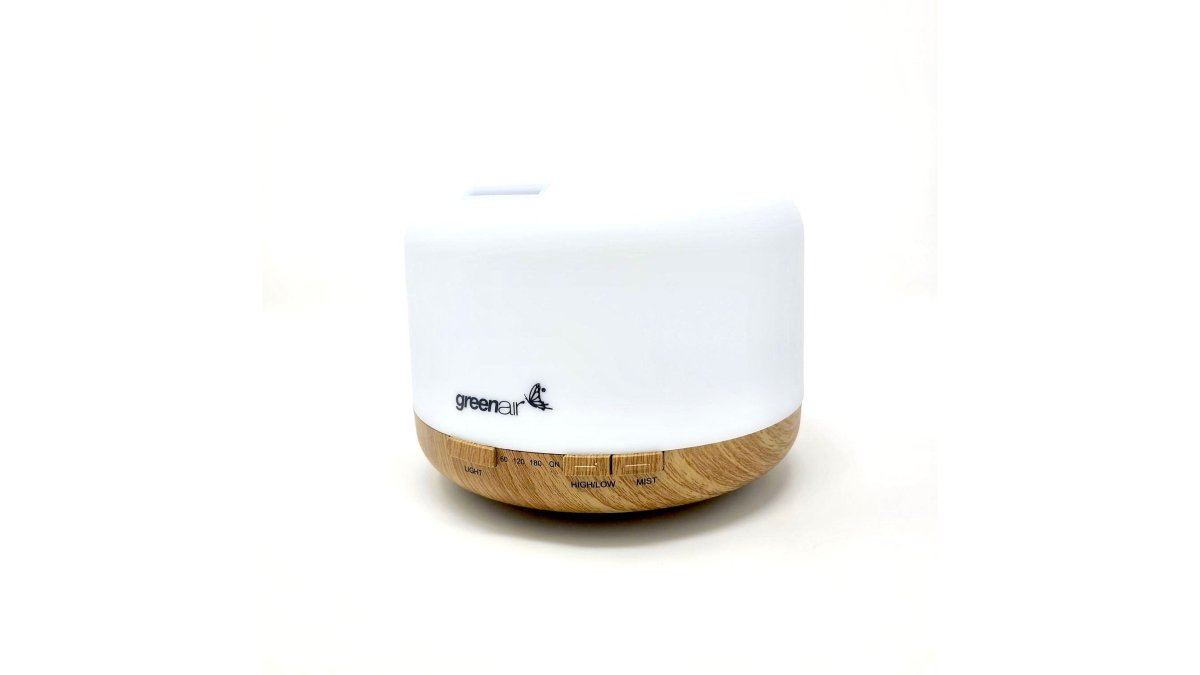
Diffusion spreads essential oils throughout a room, creating sustained calm. The GreenAir Aroma Cloud covers up to 1,000 square feet and runs on intermittent mode.

Shower steamers combine inhalation with shower warmth. Wellaroma's Lavender Shower Steamer releases vapors that carry scent to your respiratory system.
Topical Application
Pulse point application involves rolling diluted oils onto wrists, behind ears, or neck, areas with thin skin and good blood flow. Wellaroma's Calm Roller comes pre-diluted and ready to use, combining scent with tactile ritual for a two-part calming effect.
Bath and body products offer a gentler approach. Wellaroma's Lavender Eucalyptus Bath Salts combine Epsom salt with essential oils for a spa-like experience that supports overall relaxation.
Creams and balms deliver essential oils in stable format. Wellaroma's Calm cream contains spikenard, clary sage, lavender, orange, roman chamomile, and helichrysum. A pinkie tip's worth lasts weeks.
Important safety note: Never apply pure, undiluted essential oils directly to your skin. They're highly concentrated and can cause irritation, especially on sensitive skin. Always use pre-diluted products or dilute essential oils in a carrier oil (like jojoba or coconut oil) before topical application. If you have sensitive or dry skin, start with a small amount and test on a small area first.
Aromatherapy Safety Guidelines and Best Practices
Essential oils are powerful plant extracts. Treating them with respect and following safety guidelines ensures you get the benefits without risk.
Dilution is non-negotiable. Oils applied to skin must be diluted. Higher concentrations risk sensitization or irritation.
Patch test before full use. Apply a small diluted amount to your inner arm and wait 24 hours to check for redness, itching, or irritation.
Avoid ingestion unless guided by a qualified practitioner. Essential oils are not meant to be swallowed. While some people use them in teas or supplements, this requires professional guidance and is not recommended for general stress relief. Inhalation and topical application are the safest, most effective routes. Gentle infusions offer a safer alternative for internal consumption, and exploring herbal teas for stress provides a soothing ritual that complements your aromatherapy practice.
Keep oils away from children and pets. Essential oils can be harmful if ingested or applied incorrectly to young children or animals. Store them in a cool, dark place out of reach.
Be cautious if you're pregnant, nursing, or taking medications. Some essential oils can interact with medications or affect pregnancy. Consult your physician before using essential oils if you fall into any of these categories. Wellaroma's products include a disclaimer: "The statements contained herein have not been evaluated by the Food and Drug Administration. Neither Wellaroma nor its products are intended for the purpose of diagnosing, treating, curing, or preventing any disease. If you are pregnant, nursing, taking medication, or have a medical condition, consult your physician before using these products."
Use diffusers responsibly. While diffusing essential oils is generally safe, continuous diffusion in a small, enclosed space can become overwhelming. Use intermittent mode on your diffuser, or diffuse for 15-30 minutes at a time with breaks in between.
Quality matters. Pure, therapeutic-grade essential oils sourced from reputable suppliers are less likely to contain contaminants or synthetic additives. Wellaroma's Lavender Organic is sourced from environmentally conscious farms and is ready to use in a diffuser. When you buy from a trusted source, you know what you're getting.
The Science Behind Aromatherapy and Stress Relief
The connection between essential oils and stress relief isn't purely anecdotal.
Complementary medicine practitioners have used aromatherapy for centuries, and modern research is beginning to validate these traditional uses. While essential oils are not a replacement for professional mental health treatment, they can be a valuable part of a broader stress-management routine that includes exercise, sleep, and social connection.
Product Selection and Cost-Benefit Analysis
Choosing the right aromatherapy product depends on your lifestyle, budget, and preferred application method.
Frequently Asked Questions
Does aromatherapy for stress relief actually work, or is it just placebo?
Aromatherapy activates your olfactory receptors, which connect directly to your limbic system, the part of your brain that controls emotional regulation and the autonomic nervous system. When you inhale essential oils like lavender, your body can trigger a relaxation response that reduces cortisol levels and promotes calm. Research supports this physiological response, though results vary by individual and application method. Inhalation aromatherapy tends to produce faster effects than other delivery methods.
Which essential oils are best for stress and anxiety relief?
Lavender is the most studied essential oil for anxiety and stress reduction, known for its calming effect on the nervous system. Roman chamomile, frankincense, and geranium also show strong therapeutic benefits for emotional regulation. Clary sage and ylang ylang support relaxation, while mandarin orange adds an uplifting citrus note that balances deeper calming scents. Many effective stress-relief blends combine multiple oils, for example, lavender with frankincense and geranium creates a synergy that enhances the overall calming effect.
How do I use essential oil blends safely on my skin?
Never apply pure essential oils directly to skin, they must be diluted in a carrier oil first. Pre-diluted rollers and creams are ready to use and safe for pulse points (wrists, behind ears, temples). If using pure essential oils, dilute them in a carrier oil. Always do a patch test on a small area first, especially if you have sensitive skin. Avoid contact with eyes and mucous membranes, and consult your physician if you're pregnant, nursing, or taking medication.
What's the difference between inhalation and topical aromatherapy for stress?
Inhalation aromatherapy works fastest because scent molecules reach your brain within seconds, triggering immediate emotional responses through the limbic system. Diffusers and inhalers are ideal for quick stress relief. Topical application (rollers, creams) provides longer-lasting effects as your skin absorbs the oils gradually, sustaining the calming response over 30-60 minutes. Many people combine both methods: inhale first for immediate relief, then apply topically to pulse points for sustained benefit throughout the day or before sleep.
Are there any contraindications or health conditions where I should avoid aromatherapy?
Certain conditions require caution with aromatherapy. If you have asthma or respiratory sensitivity, inhaling essential oils may trigger symptoms, use diffusers in well-ventilated spaces or try topical application instead. Pregnant or nursing individuals should consult their physician before use, as some oils may not be appropriate. If you're taking medications, especially those affecting the nervous system or blood pressure, check with your doctor first. People with skin conditions like eczema or dermatitis should patch-test and use pre-diluted products. Always verify that aromatherapy complements, not replaces, medical treatment for anxiety or stress disorders.

Leave a comment