


How Sleep Quality Affects Child Immunity: A Parent's Guide
Table of Contents
- How Sleep Quality Affects Child Immunity: The Basics
- How Much Sleep Do Kids Need at Every Age
- Signs of Poor Sleep in Children Parents Often Miss
- Building a Bedtime Routine for Kids That Supports Immunity
- Healthy Sleep Habits for Children: A Practical Checklist
- Troubleshooting Common Sleep Problems in Kids
- What Sleep Can and Cannot Do for Child Immunity
- When to Talk to a Pediatrician
- Frequently Asked Questions
Last Updated: October 18, 2026
How Sleep Quality Affects Child Immunity: The Basics
Sleep is when a child's body does much of its repair work, and the immune system is part of that shift. This guide from Wellaroma explains how sleep quality affects child immunity, and what parents can do about it. The core answer: child immunity depends heavily on consistent, sufficient sleep, because immune cells and inflammatory signals follow the body's daily clock. Short or broken sleep tends to leave kids more vulnerable to everyday bugs. Below, we'll show you exactly how to build better sleep habits, starting tonight.
What Happens to the Immune System During Sleep
During sleep, the body releases immune cells into circulation and fine-tunes inflammation. Natural killer cells, a first-line defense, tend to be lower after poor sleep. Sleep also supports the "memory" side of immunity, the part that learns from past infections.
Why Poor Sleep Raises Infection Risk
Poor sleep raises infection risk because the body has less time for immune regulation and tissue repair. Many parents find that a stretch of late nights or disrupted sleep lines up with more colds and sniffles. Sleep deprivation doesn't cause illness, but it can weaken immune defense.
How Much Sleep Do Kids Need at Every Age
Sleep needs shift as children grow, and so does the immune work that happens during sleep. Rather than treating "how much sleep" and "immune health" as separate topics, it helps to read the two together: each age band below pairs a typical sleep range with what that sleep is doing for a child's immune system. The ranges reflect widely used pediatric guidance, including the American Academy of Pediatrics sleep recommendations and the CDC sleep duration guidance. Treat them as a starting range, not a rule, individual children vary.
| Age Group | What Sleep Is Doing for Immunity at This Stage |
|---|---|
| Infants (0-12 months) | Immune system is still maturing; sleep supports the early calibration of inflammatory responses and the consolidation of immune memory after exposures and vaccinations. |
| Toddlers (1-2 years) | Nap and night sleep together drive tissue repair and immune-cell circulation; skipped naps often show up as irritability and more frequent minor illnesses. |
| Preschoolers (3-5 years) | Consistent sleep supports the inflammatory balance that underlies everyday cold resistance; irregular bedtimes are a common hidden cause of repeated sniffles. |
| School-age (6-12 years) | Sleep consolidates immune memory and supports recovery after illness; short sleep in this band is linked with more school absences from common infections. |
| Teens (13-18 years) | A later body clock collides with early school start times; chronic short sleep is associated with more frequent infections and slower recovery. |
A few practical notes on reading the table:
- Count the full 24 hours. For infants and toddlers, naps count toward the total. A toddler who sleeps 9 hours at night and skips the nap is short on sleep even if bedtime looks fine.
- Watch the pattern, not one night. A single short night is normal. A consistent shortfall across a week or two is what tends to show up in mood, attention, and infection frequency.
- Use daytime behavior as the real test. A child who wakes easily, focuses at school, and stays even-tempered through the late afternoon is likely getting enough. A child who melts down at 4 p.m. or falls asleep in the car may be running a deficit even if the clock says otherwise.
- Adjust for individual needs. Some children genuinely need the top of the range; others thrive at the bottom. Chronic conditions, recovery from illness, and heavy sports or activity loads can push needs upward temporarily.
If your child's sleep sits well outside the range for their age for more than a couple of weeks, or if you are unsure whether a pattern is a problem, that is a reasonable point to raise with a pediatric clinician rather than guess.
Signs of Poor Sleep in Children Parents Often Miss
Signs of poor sleep in children often show up in behavior, not bedtime. Watch for:
- Daytime sleepiness or meltdowns in the late afternoon
- Trouble waking up, even after a full night
- Frequent night waking or early rising
- Poor attention and mood swings
- Falling asleep in the car or at school
A common mistake is blaming "bad behavior" when the real issue is insufficient sleep. In practice, fixing sleep quality often improves mood regulation and attention within a week or two.
Building a Bedtime Routine for Kids That Supports Immunity
A bedtime routine for kids works best when it is short, predictable, and repeated at the same time each night. Aim for 20-30 minutes of calm steps: bath, pajamas, a story, lights low. Consistency is what trains the body clock.
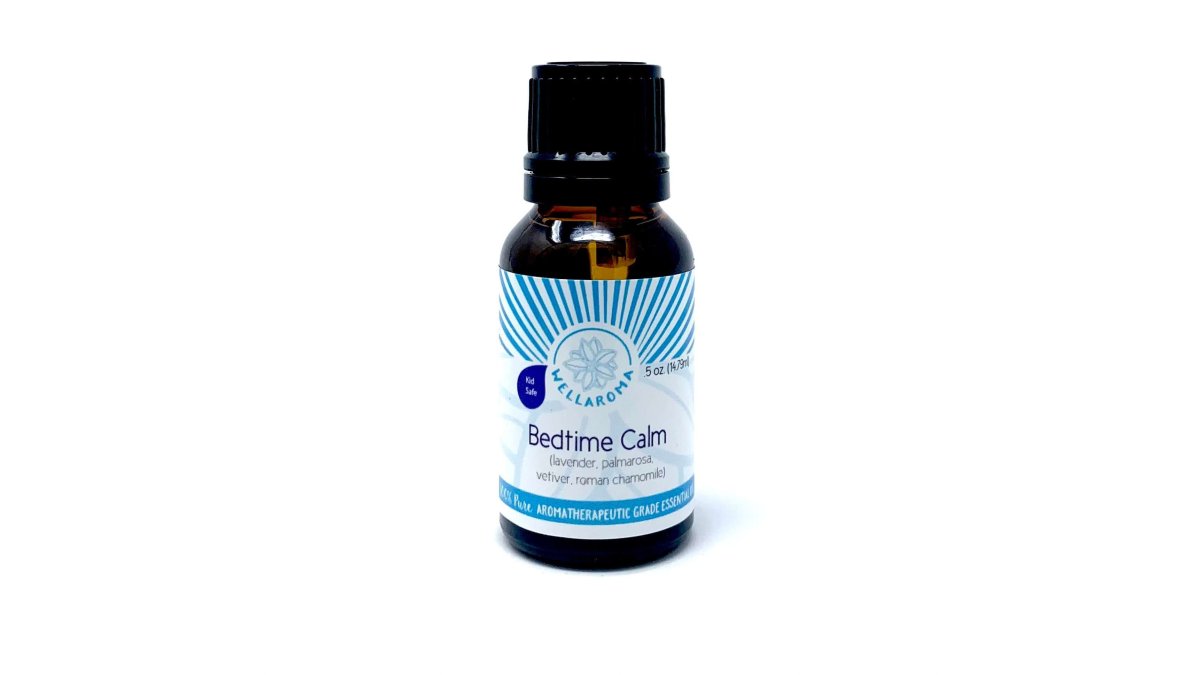
A calming step can help kids settle. At Wellaroma, our Bedtime Calm (Kids) & Teething Support cream is made with roman chamomile, lavender, palmarosa, and vetiver. Parents can also diffuse lavender in the room at night to help with a restful night sleep.


Healthy Sleep Habits for Children: A Practical Checklist
Healthy sleep habits for children come down to a few repeatable basics. Use this checklist:
- Same bedtime and wake time every day, weekends included
- Dark, cool, quiet sleep environment
- No screens in the hour before bed
- Calm wind-down routine, same order each night
- Regular daytime activity and outdoor light
- No caffeine in the afternoon or evening
Troubleshooting Common Sleep Problems in Kids
Most sleep problems have a practical fix, and the fixes tend to work best when you change one thing at a time and give it a week or two before judging. The plan below walks through the four most common problems parents bring up, then explains when a problem has moved past "troubleshooting" and into "talk to a clinician." Because poor sleep and frequent infections often travel together, resolving the sleep issue is also one of the more useful things you can do for a child's immune resilience.
Step 1: Rule out the basics first
Before changing anything, check the sleep environment and schedule:
- Room: dark, cool (most children sleep best in the mid-60s to low-70s Fahrenheit), and quiet. A white-noise machine can mask household noise.
- Schedule: same bedtime and wake time every day, weekends included. A weekend shift of more than an hour behaves like jet lag on Monday night.
- Light: dim the room for the last hour before bed. Bright overhead light and screens signal "daytime" to the body clock.
- Caffeine: none in the afternoon or evening, including hidden sources like chocolate, iced tea, and some sodas.
Step 2: Match the fix to the problem
Bedtime resistance and stalling. Give limited choices ("two books or one?") and hold the line on the routine order. A short, predictable wind-down, bath, pajamas, story, lights low, does more than a long one.
Bedtime Calm (Kids) & Teething Support! →
Night waking. Keep your response boring and brief. Check room temperature, light, and noise first. For older children, a simple clock that signals "still night" (for example, a color-changing OK-to-wake clock) can reduce early-morning calls.
Early rising. Darken the room as much as possible (blackout curtains help in summer), and use the OK-to-wake clock to set a clear earliest acceptable wake time.
Irregular schedules and weekend drift. Anchor the wake time first, then work bedtime backward from it. Keep the weekend wake time within an hour of the weekday time.
Screen use at bedtime. Move screens out of the bedroom and set a household cutoff an hour before bed.
Step 3: Give it time and track what changes
Pick one change, apply it consistently for one to two weeks, and note what shifts, bedtime resistance, night waking, morning mood, and daytime behavior. Many families see mood and attention improvements within a week or two of a steadier routine. If nothing changes after two weeks of consistent effort, move to Step 4.
Step 4: Know when to seek medical advice
Troubleshooting at home is appropriate for ordinary bedtime battles and schedule drift. It is not the right tool for every problem. Talk to a pediatric clinician if any of the following apply:
- Sleep problems persist for more than a few weeks despite a steady routine.
- Your child snores loudly, gasps, or has pauses in breathing during sleep, these can point to sleep-disordered breathing and warrant prompt review.
- Your child is extremely sleepy during the day despite what looks like adequate time in bed.
- Frequent infections, persistent fatigue, or poor growth accompany the sleep problem.
- Night waking includes confusion, distress that is hard to settle, or unusual movements.
A pediatric clinician can help distinguish ordinary sleep disruption from something that needs medical review, and can advise on next steps. For general background, the AAP healthy sleep resources and the NIH sleep health information are reasonable starting points.
What Sleep Can and Cannot Do for Child Immunity
Sleep supports immune function, but it is not a shield. Good sleep helps immune regulation, recovery, and energy restoration. It cannot prevent every infection, and it does not replace vaccines, handwashing, or medical care. When illness does hit, quality rest supports illness recovery.
When to Talk to a Pediatrician
Talk to a pediatrician if sleep problems last more than a few weeks, or if your child shows loud snoring, pauses in breathing, or extreme daytime sleepiness. These can point to issues that need medical review. For general guidance, the AAP healthy sleep resources are a good starting point, and the NIH sleep health information covers sleep science in plain terms.
Poor sleep is one of the most fixable pieces of the child immunity puzzle, but it takes consistency. At Wellaroma, we make gentle, natural products that support calm evenings, including our Bedtime Calm (Kids) & Teething Support cream and our Immunity Blend organic rooibos tea. Both are designed to fit into a family wellness routine, not replace medical care. Add to cart and start building calmer, more restful nights for your child.

Frequently Asked Questions
Does sleep really affect a child's immunity?
Yes. During sleep, the body releases cytokines, proteins that help fight infection and inflammation. Children who consistently get too little sleep produce fewer of these infection-fighting cells, which can make them more susceptible to common colds and viral infections. Sleep also supports the adaptive immune system, which builds antibodies after exposure to pathogens. The effect builds over time, so a single rough night is not the whole story; consistent sleep quality and duration are what matter most for child immunity.
How much sleep do kids need by age?
General guidance from pediatric sleep experts: infants 4-12 months need 12-16 hours including naps; toddlers 1-2 years need 11-14 hours including naps; preschoolers 3-5 years need 10-13 hours including naps; school-age children 6-12 years need 9-12 hours; and teenagers 13-18 years need 8-10 hours. These are ranges, not rules. Watch your child's daytime mood, attention, and energy to fine-tune what works for them.
Can better sleep help a child recover from an illness faster?
Sleep supports tissue repair, energy restoration, and immune regulation, so quality rest during an illness helps the body do its job. It is not a cure, but it is a meaningful support. Keep your child comfortable, maintain a calm bedtime routine for kids even when schedules slip, and offer fluids during the day. If an illness lingers or symptoms worsen, call your pediatrician rather than relying on sleep alone.
When should I talk to a pediatrician about my child's sleep?
Reach out if your child snores loudly or pauses breathing during sleep, is excessively sleepy during the day despite enough time in bed, has frequent night waking that disrupts the household for weeks, or shows signs of poor sleep in children such as mood swings, falling grades, or recurring illness. A pediatrician can rule out conditions like sleep apnea or iron deficiency and guide next steps.

Leave a comment