


Create a Holistic Spa Experience at Home
Table of Contents
- Set the Foundation: Prepare Your Space
- Create Sensory Atmosphere With Lighting, Sound, and Scent
- How to Use Essential Oil Blends for Deep Relaxation
- Aromatherapy for Stress Relief: Step-by-Step Treatments
- Build Your Natural Body Care Routine at Home
- Hydration and Post-Spa Transition
- Make Your Spa Experience Accessible and Sustainable
- Conclusion
Last Updated: August 26, 2026
Set the Foundation: Prepare Your Space
Creating a holistic spa experience at home begins with transforming your physical environment into a sanctuary for relaxation. The space you choose should feel intentional and separate from everyday life, signaling to your mind and body that you're entering a different state.
Start by decluttering to remove items that trigger stress or remind you of work. A clear space naturally promotes mental clarity and allows your nervous system to downshift. Keep the room temperature around 68-72°F for comfortable relaxation (the NIH).
Invest in practical comfort items: plush towels, a soft robe, and a cushioned mat. These functional tools eliminate physical discomfort so your mind can fully engage in the ritual. Wellaroma's approach emphasizes that comfort removes barriers to genuine relaxation.
Use warm, dimmable lighting or candles instead of harsh overhead lights, which signal alertness. Battery-operated candles work well and eliminate fire risk. Decide in advance whether you'll use silence, nature sounds, or gentle instrumental music to prevent decision-making during your ritual.
Create Sensory Atmosphere With Lighting, Sound, and Scent
A holistic spa experience engages all five senses intentionally. The sensory environment you build primes your nervous system for deep relaxation.
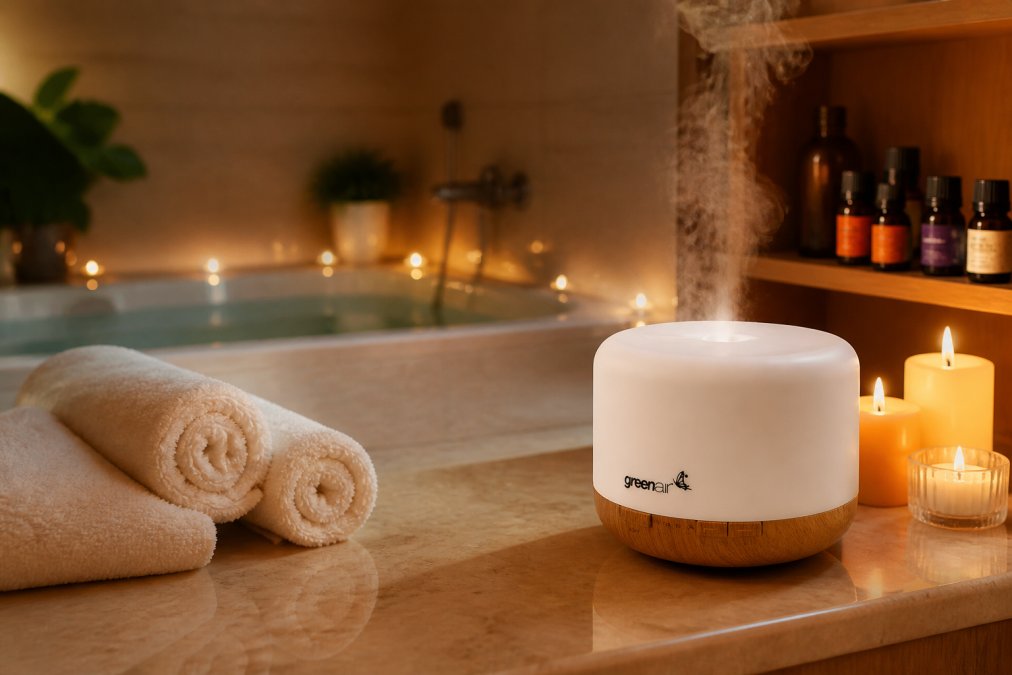
Lighting for relaxation: Use warm light in the 2700K color temperature range, which signals your brain to wind down (the CDC). Avoid cool white (5000K+) lighting, which promotes alertness. Position candles at eye level or slightly below to create gentle shadows that feel naturally calming.
Sound design: Gentle background sound, rainfall, ocean waves, or ambient instrumental music at 40-50 decibels, deepens relaxation by masking household noise. Choose one sound source and use it consistently so your brain learns to associate it with the ritual.
Scent and aromatherapy: Scent directly influences the limbic system, the emotional center of your brain, triggering immediate physiological responses. A diffuser like the GreenAir Aroma Cloud Diffuser disperses essential oils evenly throughout your space. The adjustable timer lets you customize duration without manual intervention. The combination of warm light, gentle sound, and therapeutic scent creates "environmental priming," preparing your body for relaxation.

How to Use Essential Oil Blends for Deep Relaxation
Essential oil blends deliver concentrated plant compounds directly to your olfactory system. Professional blends combine oils in specific ratios to create synergistic effects, the combination produces results greater than any single oil alone.
A relaxation blend typically combines grounding oils (like cedarwood), calming oils (like lavender), and uplifting oils (like bergamot) to address the full spectrum of stress responses. Wellaroma's Relaxation blend helps release tension and shift your nervous system from sympathetic (fight-or-flight) to parasympathetic (rest-and-digest) activation.
How to use blends safely: Never apply essential oils directly to skin. Use a diffuser to disperse oils into the air. The GreenAir Aroma Cloud Diffuser maintains consistent scent distribution for several hours. Start with pre-blended formulas to remove guesswork and ensure proper dilution, especially if you have sensitive skin or respiratory sensitivities.
Most people find that 30-60 minutes of exposure to a blend is sufficient to shift their nervous system state. Longer exposure leads to olfactory adaptation, where your nose stops detecting the scent.
Aromatherapy for Stress Relief: Step-by-Step Treatments
A structured approach to aromatherapy creates predictability and deepens the ritual's effectiveness.
Facial Steam and Exfoliation
Facial steam opens your pores and prepares your skin for deeper absorption of oils and treatments. The warmth increases blood circulation to your face, promoting a natural glow.
Step 1: Prepare hot water (5 minutes) Fill a bowl with water heated to 160-170°F. Let it cool for 30 seconds before proceeding.
Step 2: Create a steam tent (10 minutes) Lean your face 8-10 inches above the bowl and drape a towel over your head to trap steam. Breathe naturally.
Step 3: Gentle exfoliation (5 minutes) Use a soft brush or washcloth with light, circular motions to remove dead skin cells. Aggressive exfoliation damages your skin barrier and triggers sensitivity.
Relaxing Bath Ritual With Epsom Salts
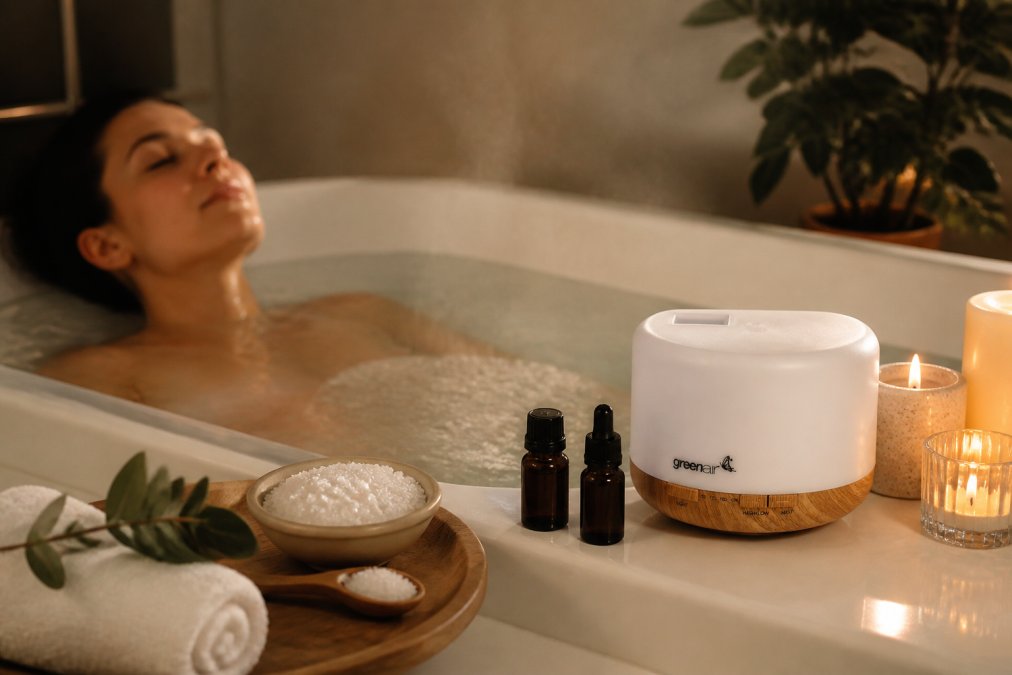
A warm bath infused with Epsom salts and essential oils creates a full-body immersion experience. Epsom salts contain magnesium, which is absorbed through the skin and supports muscle relaxation.
Step 1: Draw a warm bath (5 minutes) Fill your tub with water at 98-104°F, warm enough to feel comforting but not so hot that it causes dizziness.
Step 2: Add Epsom salts (2 minutes) Add 1-2 cups of Epsom salts to the running water. Wellaroma's Lavender Eucalyptus Bath Salts combine therapeutic-grade essential oils with Epsom salts. Lavender supports deep relaxation while eucalyptus promotes clear breathing and mental clarity.

Step 3: Soak mindfully (20-30 minutes) Remain present by focusing on sensations: warmth, scent, and muscles releasing tension. This mindful attention amplifies the bath's therapeutic effect.
Step 4: Hydrate after (immediate) Exit slowly to avoid dizziness and drink water or herbal tea immediately to replenish fluids.
Scalp Massage and Hair Treatment
Your scalp contains thousands of nerve endings and often holds tension. A dedicated scalp massage releases this tension while improving circulation to hair follicles.
Step 1: Prepare your scalp (2 minutes) If using treatment oil, warm it slightly between your palms. Warmth signals safety to your nervous system.
Step 2: Apply firm pressure (10 minutes) Using your fingertips, apply firm but gentle pressure to your scalp in small circular motions. Start at your hairline and work backward.
Step 3: Focus on tension points (5 minutes) Pay particular attention to where your neck meets your skull, an area that often holds significant tension. Slow, deliberate pressure here can trigger relaxation throughout your entire body.
Step 4: Rinse thoroughly (5 minutes) Rinse with lukewarm water and gentle shampoo to avoid residual oil weighing down your hair.
Build Your Natural Body Care Routine at Home
A consistent body care routine supports your skin barrier, maintains hydration, and reinforces the ritualistic nature of your spa experience. Choose products that align with your skin type and values.
Start with a gentle cleanser suited to your skin type. For sensitive skin, look for products free from sulfates, parabens, and synthetic fragrances. Use lukewarm water, which is less likely to irritate.
Follow cleansing with a hydrating treatment applied to damp skin, which locks in moisture more effectively. Consider adding a weekly exfoliation step using a gentle scrub, but no more than 1-2 times weekly to avoid over-stripping your skin.
The ritual of applying products mindfully, massaging them into your skin, and noticing how your skin feels transforms a functional step into a meditation practice.
Hydration and Post-Spa Transition
The period immediately after your spa ritual determines whether relaxation benefits persist or dissipate quickly.
Immediate hydration (first 15 minutes): Drink water or herbal tea while your body is still relaxed. This replenishes fluids lost through perspiration and supports detoxification. Herbal teas like chamomile or peppermint extend the calming effects.
Gradual transition (next 30-60 minutes): Avoid immediately jumping into high-stress activities. Spend 15-30 minutes in a calm state: reading, journaling, meditating, or resting. This allows your nervous system to consolidate relaxation benefits.
Skincare completion: Apply final moisturizing products while your skin is still slightly damp to lock in hydration.
Mindful movement: Gentle stretching or slow walking can help integrate relaxation benefits. Avoid strenuous exercise immediately after, as this triggers stress activation and undoes calming effects. According to research on post-stress recovery, the 30-60 minute period following relaxation practices is critical for consolidating nervous system changes.
Make Your Spa Experience Accessible and Sustainable
A holistic spa experience should feel sustainable rather than like an unattainable luxury.
Budget-conscious approaches:
Many effective treatments use ingredients you likely have: Epsom salts, baking soda, honey, and coconut oil. When investing in products like essential oil blends or diffusers, prioritize quality over quantity. Wellaroma's products reflect therapeutic-grade oils and proper dilution ratios.
Zero-waste considerations:
Reuse containers from previous products. Choose products with minimal or recyclable packaging. Many natural body care companies, including Wellaroma, use recyclable materials and refillable options.
Accessibility for all mobility levels:
Adapt treatments to your needs. For limited mobility, seated treatments like scalp massage or hand soaks work well. Shower steamers like Wellaroma's Shower Steamer - Relax / Lavender provide aromatherapy benefits without requiring a bath. For balance concerns, use non-slip mats and keep products within arm's reach. For sensory sensitivities, adjust scent intensity or choose lightly scented products. For time constraints, even 10 minutes of intentional self-care delivers benefits.

Consistency over perfection matters most. A 15-minute weekly practice sustained over months delivers more benefit than a single elaborate spa day followed by months of neglect.
Creating a holistic spa experience at home isn't about replicating a luxury resort, it's about building a sustainable practice that supports your wellbeing. The practices you've learned work best when tailored to your specific needs, schedule, and environment. At Wellaroma, we understand that true wellness comes from consistent, intentional self-care using products formulated with genuine care for your skin and nervous system. Start building your home spa practice with tools and products designed to support relaxation, immunity, and genuine rejuvenation.
Frequently Asked Questions
How do I create a spa-like experience at home on a budget?
Start with essentials: a diffuser, essential oils, and bath salts. The GreenAir Aroma Cloud Diffuser ($59.99) and Lavender Eucalyptus Bath Salts ($14.00) create a complete sensory environment without expensive spa visits. Add warm lighting, soft music, and uninterrupted time. Many effective treatments use items you already have, towels, warm water, and natural ingredients. Focus on ritualization and mindfulness rather than expensive products to maximize the therapeutic benefit.
What are the benefits of a holistic approach to self-care and relaxation?
A holistic spa approach addresses physical, mental, and emotional wellness simultaneously. Combining aromatherapy for stress relief with body treatments enhances circulation, supports skin health, and calms the nervous system. The ritualization itself, setting aside dedicated time, engaging your senses, reinforces mindfulness and reduces cortisol levels. This integrated practice creates deeper relaxation than isolated treatments and builds sustainable wellness habits that extend beyond your spa day.
How do I use essential oil blends safely on my skin?
Essential oils must always be diluted before skin application. Mix essential oil blends with a carrier oil (coconut, jojoba, or almond oil) at a 2-3% dilution rate. Wellaroma's Relaxation blend ($39.50) is pre-formulated for safe use. Start with a patch test on a small area to check for sensitivity. Never apply undiluted oils directly to skin, especially for children or those with sensitive skin. Always follow product instructions and consult a healthcare provider if you have concerns about specific oils or skin conditions.
What's the best way to build a natural body care routine at home?
Start by identifying your skin type and needs. Cleanse with natural products, exfoliate 2-3 times weekly with body scrubs, apply treatments like shower steamers or bath salts, and hydrate afterward. Shower Fizzy Relax Lavender ($5.00) adds aromatherapy to daily cleansing. Layer treatments seasonally, richer oils in winter, lighter hydration in summer. Consistency matters more than complexity; a simple routine you follow daily outperforms an elaborate one you skip. Include mindfulness during each step to amplify the therapeutic effect.
This article was written using GrandRanker

Leave a comment