


Best Essential Oils for Home Relaxation
Table of Contents
- 1. Lavender: The Foundation of Calm
- 2. Roman Chamomile: Gentle Anxiety Relief
- 3. Frankincense: Deep Relaxation and Grounding
- 4. How to Use Essential Oil Blends for Maximum Benefit
- Essential Oil Dilution Ratios and Safety Guidelines
- Creating Your Home Relaxation Sanctuary
- Quality, Sourcing, and Sustainability Matter
- Best Essential Oils for Sleep and Evening Relaxation
- Frequently Asked Questions
Last Updated: September 1, 2026
1. Lavender: The Foundation of Calm
Lavender is the most versatile and well-researched essential oil for home relaxation. Its calming effect comes from compounds that interact with the limbic system, the part of your brain that processes emotions and stress (peer-reviewed research). Whether you diffuse it, apply it topically after dilution, or inhale it directly, the results remain consistent, many people notice a shift in their mental state within minutes.
At Wellaroma, we've sourced organic lavender from environmentally conscious farms. Our Lavender Organic (14.79ml) is cold-pressed to preserve the delicate compounds that make it effective. What makes lavender particularly valuable is its gentle profile. Unlike some essential oils that demand careful handling, lavender integrates seamlessly into daily routines: add it to a diffuser in your bedroom, roll it on your pulse points, or mix it into a bath.

The key to maximizing lavender's benefits lies in consistency. Daily exposure trains your nervous system to associate the scent with relaxation, deepening the effect over time.
2. Roman Chamomile: Gentle Anxiety Relief
Roman chamomile offers a different pathway to relaxation than lavender. Where lavender feels uplifting and fresh, chamomile carries a warm, grounding quality that many describe as deeply comforting. Its fruity, apple-like aroma signals to your brain that it's time to slow down.
Roman chamomile contains compounds that interact with receptors in your nervous system associated with anxiety reduction, making it particularly valuable during acute stress (peer-reviewed research). Many people find chamomile more effective than lavender for high-anxiety moments, though personal response varies.
At Wellaroma, our Roman Chamomile (15ml) is sourced from environmentally conscious farms and blends well with lavender, geranium, and citrus oils. What sets chamomile apart is its effectiveness when anxiety is the primary issue. Lavender handles general tension well; chamomile excels when you need emotional regulation.
3. Frankincense: Deep Relaxation and Grounding
Frankincense represents the third pillar of an effective home relaxation practice. This resinous oil carries a woody, slightly spicy profile that many describe as meditative. Rather than simply reducing anxiety, frankincense creates a sense of grounding and presence.
Many people report that frankincense helps them feel more anchored during stressful periods, as though their thoughts have stabilized. This makes it particularly valuable for evening routines or meditation practices where mental clarity matters as much as relaxation itself.
Frankincense appears in both Wellaroma's Zen roller and Calm Roller formulas because of its synergistic properties. When combined with lavender and chamomile, frankincense deepens the overall relaxation effect without adding heaviness. For home environments, frankincense works best in diffusers or as part of pre-diluted rollers. Its woody undertones pair well with citrus notes, preventing relaxation from tipping into sedation, you feel calm and present, not drowsy.

4. How to Use Essential Oil Blends for Maximum Benefit
Understanding application methods separates casual users from people who see real results with best essential oils for home relaxation. Each method delivers the oils differently, affecting both speed and duration of benefit.
Diffusion Methods
Diffusing essential oils throughout your home creates ambient aromatherapy that works passively. Ultrasonic diffusers work by converting oils into a fine mist that disperses throughout a room, typically preserving therapeutic properties better than heat diffusers.
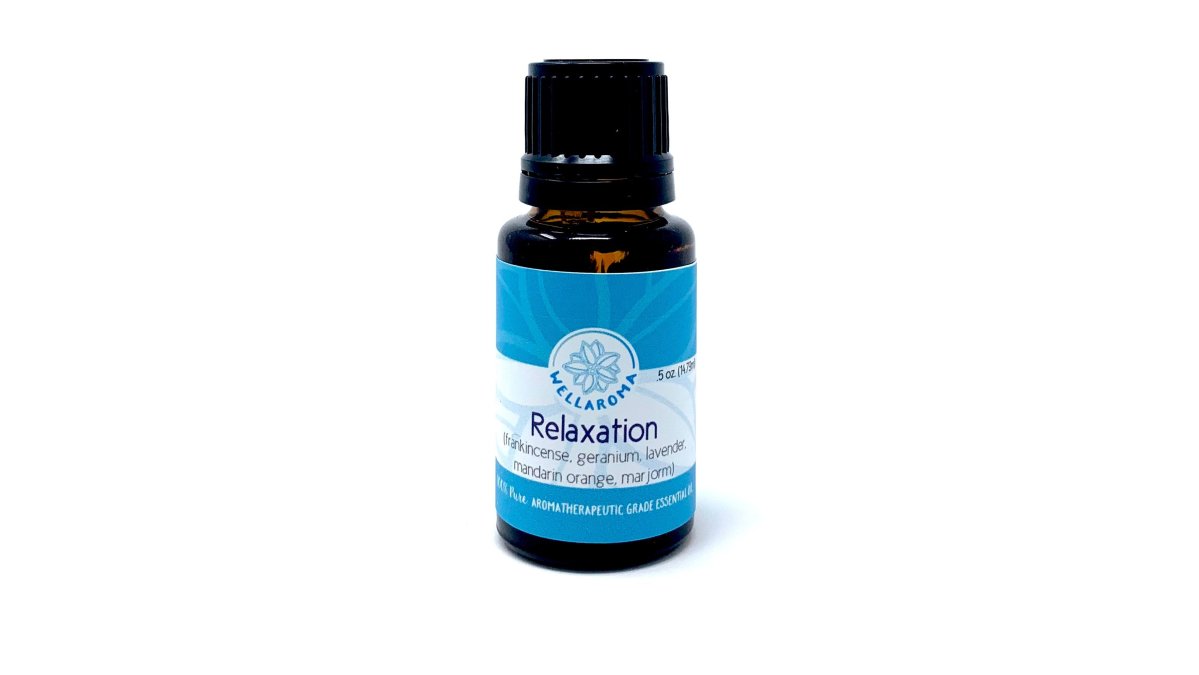
For best results, start with 3-5 drops of essential oil in your diffuser's water reservoir (naha.org). Running a diffuser for 30 minutes to an hour in your bedroom before sleep, or in your living room during work hours, creates a foundation of calm throughout your day. Wellaroma's Relaxation blend ($39.50) is formulated specifically for diffusion, with the right balance of frankincense, geranium, lavender, and mandarin orange.

Topical Application
Topical application delivers faster results than diffusion because the oils enter your bloodstream through skin absorption. Essential oils must always be diluted before applying to skin, never apply pure essential oil directly.
Wellaroma's pre-diluted rollers eliminate the guesswork. Products like the Zen roller ($14.99) and Calm Roller ($14.99) arrive ready to use. Simply roll on your pulse points, wrists, temples, or behind ears, and the blend absorbs within minutes. Many people feel noticeable relief within 5-15 minutes of application.
If mixing your own blends, the standard dilution ratio for topical use is 2-3 drops of essential oil per teaspoon of carrier oil. Common carrier oils include coconut oil, jojoba oil, or fractionated coconut oil. For children or sensitive skin, reduce to 1 drop per teaspoon.
Inhalation Techniques
Direct inhalation offers a middle ground between diffusion and topical application. The simplest method is opening a bottle and taking 2-3 deep breaths. A gentler approach is the "palm inhalation" method: add 1-2 drops to your palm, rub your hands together gently, cup them around your nose, and breathe deeply for 5-10 breaths.
Wellaroma's Calm Roller instructions recommend opening the roller and taking a deep breath before rolling it on your skin. This combines inhalation with topical application, giving you both benefits simultaneously.
| Application Method | Speed | Duration | Best For | Setup |
|---|---|---|---|---|
| Diffusion | Slow (10-20 min) | 1-2 hours | Ambient relaxation, sleep prep | Requires diffuser |
| Topical (diluted) | Fast (5-15 min) | 2-4 hours | Acute stress, targeted relief | Pre-diluted or carrier oil |
| Inhalation | Very fast (1-5 min) | 30-60 min | Quick resets, on-the-go | No equipment needed |
| Bath/shower | Medium (15-30 min) | 1-2 hours | Evening routine, full-body relaxation | Bath salts or shower steamers |
Essential Oil Dilution Ratios and Safety Guidelines
Improper dilution and unsafe practices don't just reduce effectiveness, they can cause skin irritation, respiratory issues, or toxicity in vulnerable populations.
Safe Dilution for Topical Use
The standard dilution ratio for adults is 2-3 drops of essential oil per teaspoon (5ml) of carrier oil. This creates a 1-3% dilution, which is both safe and therapeutically effective. For sensitive skin or first-time use, start at 1 drop per teaspoon.
Children require more conservative dilution. For children ages 6-12, use 1 drop per teaspoon of carrier oil. For children under 6, consult a healthcare provider before using essential oils topically; inhalation through diffusion is safer for this age group. Pregnant women should consult their healthcare provider before using essential oils.
Wellaroma's pre-diluted products handle this calculation for you, eliminating the math and risk of over-concentration. When mixing your own blends, use high-quality carrier oils like fractionated coconut oil, jojoba oil, sweet almond oil, or grapeseed oil. Store diluted blends in dark glass bottles away from direct sunlight.
Pet Safety Considerations
Essential oils pose genuine risks to pets. Cats are particularly vulnerable because they lack certain liver enzymes needed to metabolize many essential oil compounds. Dogs have more tolerance but still require caution.
If you have pets, follow these guidelines: avoid diffusing oils in rooms where pets spend significant time, never apply diluted oils directly to your pet's skin without veterinary approval, keep all bottles stored securely, and ensure your pet has access to well-ventilated areas where they can escape the scent.
Child-Safe Practices
Children can benefit from best essential oils for home relaxation, but safety requires intentional choices. For children ages 6-12, diffusion is safer than topical application. Run your diffuser in a well-ventilated room for short periods (30-60 minutes) rather than continuously.
For topical use with children, dilute conservatively: 1 drop of essential oil per teaspoon of carrier oil. Apply only to areas they won't put their hands in their mouths. Avoid the face, hands, and any area near eyes or mouth. Certain oils are generally safer for children: lavender, chamomile, and mandarin orange. Avoid eucalyptus, peppermint, and tea tree with young children.
Creating Your Home Relaxation Sanctuary
The physical environment where you use best essential oils for home relaxation matters as much as the oils themselves. You're designing a space that signals to your nervous system that relaxation is possible here.
Start with your bedroom. Place a diffuser on your nightstand and run it for 30-60 minutes before bed. The scent becomes associated with sleep, eventually triggering relaxation simply by its presence. Wellaroma's Sweet Dreams Pillow Spray ($9.50) offers an alternative: spray 1-2 pumps on your pillow 10 minutes before sleep.
Your living room or workspace deserves attention too. A small diffuser on your desk, running for an hour mid-afternoon, can reset your nervous system and improve focus. Wellaroma's Shower Steamer - Relax/Lavender ($5.00) transforms your shower into a spa experience. Drop one into your shower, and the steam activates the lavender, filling the space with therapeutic scent.
Consider layering methods in your sanctuary: run a diffuser for ambient scent, use a pillow spray for sleep support, and keep a roller in your pocket for on-the-go moments.
Quality, Sourcing, and Sustainability Matter
Not all essential oils deliver the same results. Therapeutic-grade essential oils are sourced from plants grown without synthetic pesticides, extracted using methods that preserve delicate compounds, and tested for purity. Wellaroma sources lavender and Roman chamomile from environmentally conscious farms in the United States, ensuring both quality and sustainability.
When you buy essential oils, look for these markers of quality: origin clearly stated, extraction method specified (cold-pressed, steam distillation), sourced from farms practicing sustainable agriculture, and tested for purity. Cheaper oils often contain fillers or synthetic compounds. For best essential oils for home relaxation, quality directly correlates with results.
Sustainability matters beyond ethics. Plants grown in depleted soil or using excessive pesticides produce weaker oils. Sustainable farming practices produce healthier plants with more potent essential oil content.
Best Essential Oils for Sleep and Evening Relaxation
Sleep represents the deepest form of relaxation your body experiences. The best essential oils for home relaxation extend naturally into sleep support.
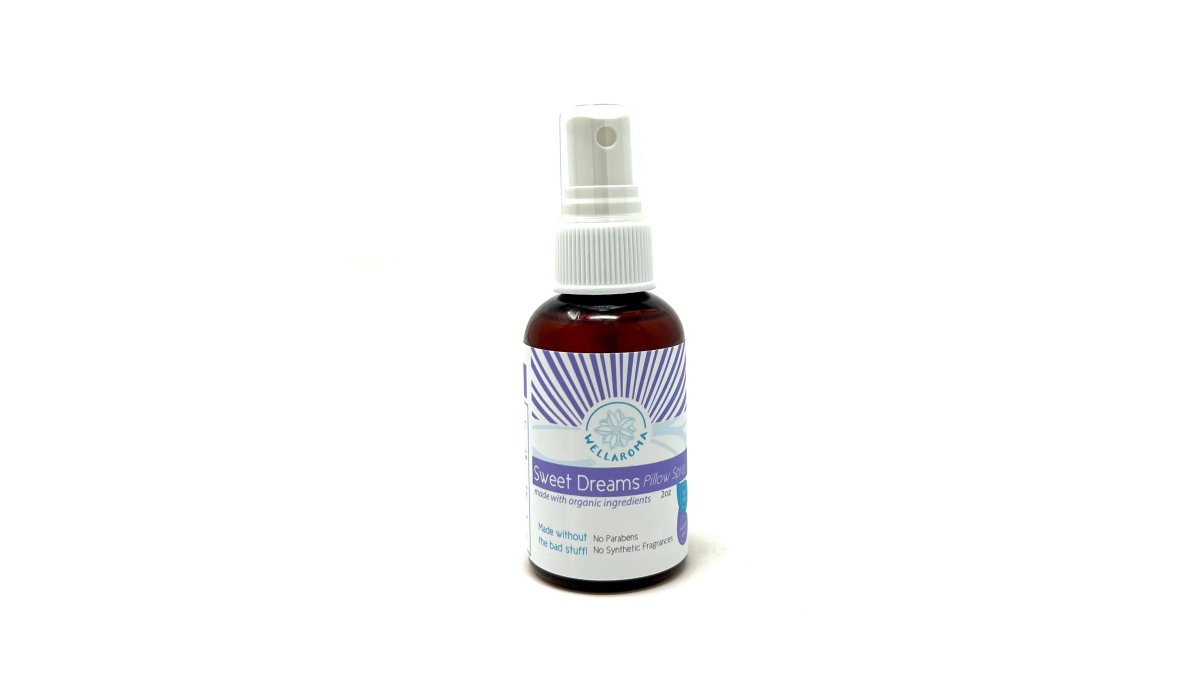
Lavender dominates sleep research. Its sedative properties help you fall asleep faster and sleep more deeply. Apply your diluted lavender oil or use Wellaroma's Sweet Dreams Pillow Spray ($9.50) 10-15 minutes before bed, creating a direct association between the scent and sleep onset.
Roman chamomile complements lavender for sleep. Where lavender promotes relaxation, chamomile adds emotional calming, addressing racing thoughts that prevent sleep. Frankincense contributes grounding that helps you feel present rather than anxious about tomorrow.
Wellaroma's Magnesium Bedtime Spray ($18.00) combines essential oils with magnesium, a mineral that supports nervous system relaxation. Using this spray 15 minutes before bed addresses sleep from multiple angles simultaneously.
The most effective evening routine combines multiple methods:
- Take a warm bath with Wellaroma's Lavender Eucalyptus Bath Salts ($14.00) 60-90 minutes before bed.
- Run a diffuser in your bedroom for 30-60 minutes before sleep.
- Apply Sweet Dreams Pillow Spray to your pillow 10 minutes before sleep.
- Keep your bedroom cool (around 65-68°F) and dark.
Creating a home relaxation practice with essential oils doesn't require expensive equipment or complicated routines. It requires choosing high-quality oils, understanding safe dilution practices, and committing to consistency. Wellaroma has built its entire product line around this principle, offering pre-diluted rollers like the Zen ($14.99) and Calm Roller ($14.99) for immediate relief, single oils like Lavender Organic ($14.50) and Roman Chamomile ($38.29) for custom blending, and specialized products like Sweet Dreams Pillow Spray ($9.50) for targeted sleep support. Start with one or two products, use them consistently for two weeks, and notice how your nervous system responds. That's when you'll understand why best essential oils for home relaxation have remained foundational to wellness practices for centuries.
Frequently Asked Questions
Q: What is the best essential oil for relaxation?
A: Lavender is widely recognized as the most versatile essential oil for relaxation. Its calming properties support the nervous system and promote emotional well-being. Roman chamomile and frankincense are equally effective alternatives, each offering distinct benefits. Many people find success with blended formulas that combine multiple oils, such as Wellaroma's Relaxation blend ($39.50), which mixes frankincense, geranium, lavender, and mandarin orange to create a comprehensive stress-relief experience.
Q: How do I use essential oil blends safely at home?
A: Always dilute essential oils before topical application using a carrier oil at a 2-3% dilution ratio (roughly 12-18 drops per ounce of carrier oil). For diffusion, follow your diffuser's specific instructions, typically using 3-5 drops per session. Never ingest pure essential oils. Keep oils away from children and pets, and ensure good ventilation when diffusing. Pre-diluted options like Wellaroma's Calm Roller ($14.99) eliminate guesswork and provide safe, ready-to-use convenience.
Q: What essential oil dilution ratio should I use for topical application?
A: A safe dilution ratio for adults is 2-3%, which means 12-18 drops of essential oil per ounce (30ml) of carrier oil. For sensitive skin, start with 1% (6 drops per ounce). Never apply undiluted essential oil directly to skin, as this can cause irritation. Children require lower concentrations, typically 0.5-1%. When in doubt, begin with a lower concentration and adjust based on your skin's response. Therapeutic-grade oils from environmentally conscious farms, like Wellaroma's Lavender ($14.50), blend well with most carrier oils.
Q: Are essential oils safe to use around pets and children?
A: Essential oils require careful handling around pets and children. Many oils are toxic to cats and dogs, particularly when concentrated or diffused continuously. Always ensure proper ventilation and use oils sparingly around pets. For children, use only child-safe oils at very low dilutions (0.5-1%), and never leave oils unattended. Avoid diffusing oils in rooms where infants sleep. Pre-diluted rollers and pillow sprays are safer options for households with children or pets than concentrated oils.
This article was written using GrandRanker

Leave a comment