


Natural Skincare Brands: 10 Options for Every Skin Type
Table of Contents
- What Makes a Natural Skincare Brand Worth Choosing
- How to Evaluate Natural Skincare Brands: Selection Criteria That Matter
- Natural Body Oils: Why They Work Better Than Conventional Options
- Body Oil for Dry Skin: Targeted Solutions and Application Tips
- Body Oil vs. Lotion: Which Is Right for Your Skin
- Natural Skincare for Sensitive Skin: Gentle Formulas and Safe Ingredients
- Top Natural Skincare Products by Skin Concern and Type
- Pricing Breakdown: What You're Paying For With Natural Brands
- Frequently Asked Questions
Last Updated: October 7, 2026
What Makes a Natural Skincare Brand Worth Choosing
Choosing a natural skincare brand means separating effective products from marketing hype. At Wellaroma, we help families find natural skincare brands that deliver results for sensitive skin, dryness, and acne. The shift toward natural skincare reflects a real change in how people approach skin health: fewer synthetic chemicals, more botanical intelligence, and transparency about what goes on your skin.
Natural skincare brands prioritize ingredient sourcing, formulation integrity, and honest labeling, but not all work the same way. Some focus on essential oil healing solutions, others on organic certification, or sustainability. Understanding these differences helps you pick the right brand.
How to Evaluate Natural Skincare Brands: Selection Criteria That Matter
When comparing natural skincare brands, three criteria separate the standouts: ingredient sourcing, certification standards, and alignment with your values around cruelty-free and sustainable practices.
Ingredient Sourcing and Transparency
Ingredient transparency is where many natural skincare brands fail, using "natural" without explaining where botanicals come from or how they're processed. Real transparency means knowing the origin story: whether oils are cold-pressed, extracts organic, and suppliers ethical.
Look for brands that name suppliers or explain extraction methods. African Black Soap sourced from women-run collectives in Ghana, for example, tells you both the ingredient quality and the human story behind it.
Certification Standards and Clean Beauty Claims
Not all certifications carry equal weight. "Natural" has no legal definition in the United States, so brands can claim it without verification. Organic certification is USDA-regulated and means something concrete: no synthetic pesticides, artificial preservatives, or GMOs.
Cruelty-free certifications (like Leaping Bunny) verify a brand doesn't test on animals, and vegan certifications confirm no animal-derived ingredients. These matter if they align with your values, but don't necessarily indicate better performance.
Clean beauty is another term worth questioning. It typically means avoiding parabens, sulfates, phthalates, and mineral oil, but there's no official standard. A brand claiming "clean" should list specifically what it avoids and why.
Vegan, Cruelty-Free, and Sustainable Packaging
Many natural skincare brands now offer vegan formulations, excluding animal-derived ingredients like beeswax, honey, or lanolin. For some skin types these work beautifully; for others, they lack the emollient depth of lanolin or plant-derived alternatives.
Sustainable packaging, compostable sheet masks, refillable containers, or minimal plastic, reflects a brand's commitment beyond the product. Zero-waste skincare genuinely reduces environmental impact, though it sometimes costs more.
| Selection Criteria | What to Look For | Why It Matters |
|---|---|---|
| Ingredient sourcing | Named suppliers, extraction methods, organic certification | Ensures quality and ethical practices |
| Clean beauty claims | Specific avoidances (parabens, sulfates) with explanations | Vague claims are often marketing |
| Certifications | USDA Organic, Leaping Bunny, vegan verification | Third-party verification beats brand claims |
| Sustainable packaging | Compostable, refillable, or minimal plastic | Reduces environmental footprint |
| Price transparency | Clear pricing, no hidden fees | Helps you evaluate value |
Natural Body Oils: Why They Work Better Than Conventional Options
Natural body oils penetrate skin differently than lotions. While lotions sit on the surface and rely on water content to hydrate, natural oils absorb into the dermis and lock in moisture deeper.
The key difference is molecular structure. Natural oils like jojoba, coconut, and argan are lipophilic, bonding with skin's natural oils rather than washing away. Conventional lotions use emulsifiers to mix water and oil; natural body oils skip them and deliver pure botanical benefits.
Essential oils amplify this effect. Blended thoughtfully, like rose, tangerine, bergamot, and blood orange in a serum designed for young skin, they provide both therapeutic benefits and sensory experience.
Body Oil for Dry Skin: Targeted Solutions and Application Tips
Dry skin needs occlusive ingredients that seal moisture in. The best body oils for dry skin contain high concentrations of emollient botanicals: jojoba oil, castor oil, and helichrysum.
Application matters as much as the product. Apply body oil to damp skin within two minutes of bathing, while skin is still slightly wet (the American Academy of Dermatology). This traps water in the outer layers and lets the oil seal it in. A light application goes further than heavy slathering.
For very dry or eczema-prone skin, layering works: use a gentle cleanser, pat skin nearly dry, apply a targeted serum with soothing ingredients like Roman chamomile, then seal with body oil. This three-step approach addresses dryness at multiple levels.
Body Oil vs. Lotion: Which Is Right for Your Skin
The choice between body oil and lotion depends on your skin type and climate. Lotions suit normal to combination skin because they're lighter, less greasy, and absorb quickly.
Body oils are superior for dry, sensitive, or eczema-prone skin because they don't evaporate and maintain hydration longer. The tradeoff: oils feel heavier and can leave residue if you apply too much. In humid climates lotions feel more comfortable; in dry climates or winter, oils deliver better results.
Some people use both: lotion on face and normal areas, oil on dry patches. This hybrid approach gives you the benefits of each without the drawbacks. The best natural skincare routine adapts to your skin's seasonal needs.
Natural Skincare for Sensitive Skin: Gentle Formulas and Safe Ingredients
Sensitive skin reacts to fragrance, essential oils, and common preservatives. That doesn't mean avoiding natural skincare, it means choosing formulas designed for sensitivity. The safest approach: unscented or lightly scented with gentle botanicals like vanilla and oat extracts.
Seek out Roman chamomile (calming), oat extract (soothing), and coconut milk (hydrating without irritation). Avoid strong essential oils like tea tree in high concentrations, citrus oils without proper dilution, and synthetic fragrances.
Freaks of Nature Facial Cleanser →
African Black Soap in its unscented form works well for sensitive skin because it's made from simple ingredients: charcoal from roasted cocoa pods, plant-derived potash, shea butter, and coconut oil. No added fragrance, dyes, or parabens. For eczema-prone skin especially, this simplicity is protective.
Top Natural Skincare Products by Skin Concern and Type
For Acne-Prone and Oily Skin
Acne-prone skin benefits from natural oils that don't clog pores and ingredients that reduce inflammation. Tea tree, blue tansy, and helichrysum are proven botanicals for this concern. The R4 Serum for Acne combines jojoba oil with organic helichrysum, Roman chamomile, mandarin, tea tree, blue tansy, bergamot, and orange. Applied 3-4 drops at night, it hydrates while fighting inflammation and preventing breakouts.
For cleansing oily, acne-prone skin, African Black Soap with Citrus & Tea Tree is formulated specifically for this concern. Made with charcoal from roasted cocoa pods and plantain skins, shea butter, and coconut oil, it cleanses without stripping natural oils. The citrus and tea tree blend addresses blemishes naturally.
For Sensitive and Eczema-Prone Skin
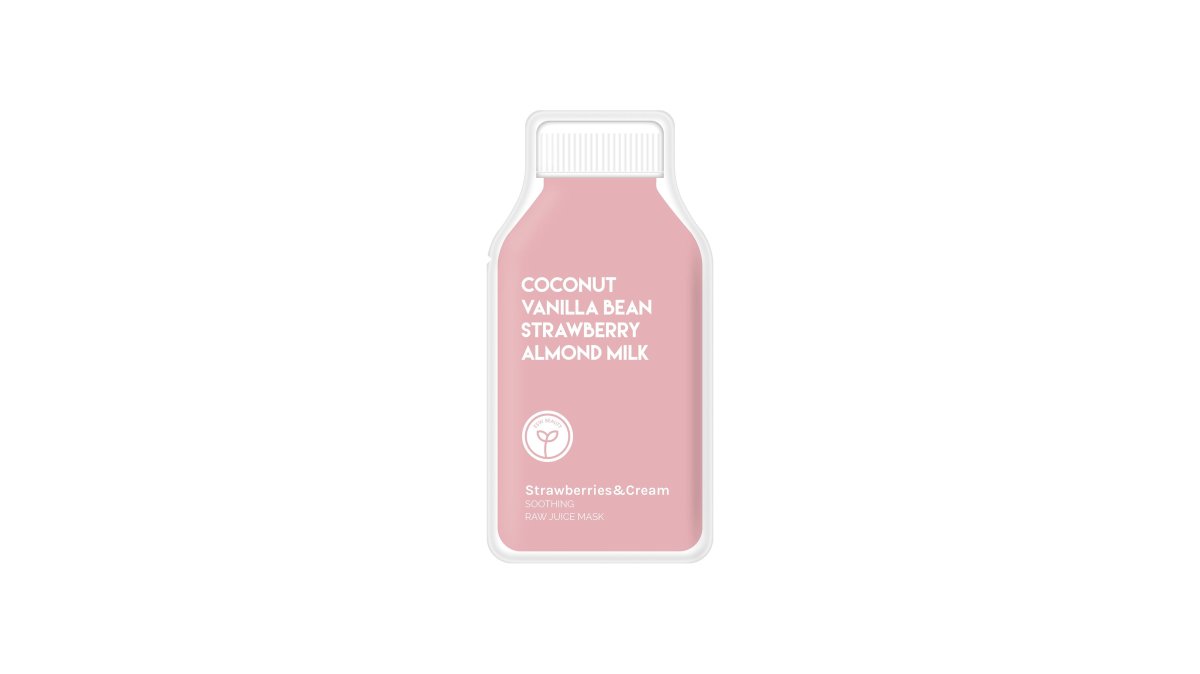
Sensitive skin needs simplicity and soothing ingredients. The Strawberries and Cream Soothing Raw Juice Face Mask contains coconut, vanilla bean, almond milk, and strawberry extracts, gentle, hydrating botanicals with no harsh actives. This vegan, organic, cruelty-free sheet mask nourishes without triggering reactions.
For body care, the African Black Soap in its unscented form is ideal. With no added fragrance or dyes, it relies on shea butter and coconut oil to soothe while the charcoal gently cleanses. This is the product of choice when eczema or extreme sensitivity is present.
For Dull, Tired, and Aging Skin
Dull skin needs brightening ingredients and hydration. The Pineapple Bliss Revitalizing Raw Juice Face Mask uses pineapple, kiwi, ginger, and pear extracts to rejuvenate and brighten complexion. These fruit enzymes gently exfoliate while the extracts provide nutrition, leaving skin smoother and more radiant.
For anti-aging concerns, the Green Reset Anti Aging Raw Juice Face Mask addresses fine lines and dullness with kale, spinach, broccoli, and apple extracts. These greens are nutrient-dense and help reset skin's appearance by decreasing wrinkles and promoting youthful texture. Both masks are vegan, organic, and cruelty-free.
The All For the Girls Face Serum is formulated for all ages but shines for tired skin.
For Combination and All Skin Types
The Clay Mask Set makes over 60 masks and works for all skin types. With four different clays, glacial, coral kaolin, dead sea mud, and French clay, you can customize based on your skin's needs that day. The kit includes everything: bamboo bowl, spoon, brush, spatula, and finishing face oil.
The Freaks of Nature Facial Cleanser is a gentle, all-purpose option that doesn't strip skin. For combination skin especially, a cleanser that works across oily zones and dry patches without irritation is essential.

Pricing Breakdown: What You're Paying For With Natural Brands
Natural skincare brands cost more than conventional drugstore options, and understanding why helps you evaluate value.

Sheet masks from Wellaroma range from $5.00 per mask, making them accessible for regular use.
Serums cost more because they're concentrated. The All For the Girls Face Serum is $24.00 for 1 ounce, while the R4 Serum for Acne is $34.95 for 1 ounce.

Bar soaps like African Black Soap are $5.99 each, higher than mass-market soap but lower than specialty skincare.
Clay mask kits at $30.00 make over 60 masks, bringing the per-mask cost to under $0.50.
Facial cleansers like Freaks of Nature at $30.00 are an investment, but a bottle lasts 2-3 months with twice-daily use.
| Product Type | Price Range | Cost Per Use | Best Value |
|---|---|---|---|
| Sheet masks | $5.00 | $5.00 per mask | High, affordable weekly use |
| Face serums | $24.00-$34.95 | $0.50-$1.00 | Moderate, concentrated, long-lasting |
| Bar soaps | $5.99 | ~$0.35 per week | High, long-lasting, ethical sourcing |
| Clay mask sets | $30.00 | ~$0.50 per mask | Excellent, customizable, tool-inclusive |
| Facial cleansers | $30.00 | ~$0.50 per use | Moderate, lasts 2-3 months |
The real cost of natural skincare is what you avoid: irritation and a compromised skin barrier.
Frequently Asked Questions
What ingredients should you look for in natural skincare brands?
Look for plant-based oils like jojoba, castor, and coconut oil; organic botanical extracts such as chamomile, tea tree, and helichrysum; and natural preservatives. Avoid parabens, sulfates, synthetic fragrances, and mineral oils. Check ingredient lists for transparency and third-party certifications like USDA Organic or cruelty-free badges. Brands that source ingredients from ethical suppliers and disclose their formulation methods tend to deliver better results for sensitive skin.
Are natural skincare brands actually better for sensitive skin?
Natural skincare brands can be gentler because they avoid synthetic irritants and harsh chemicals that trigger reactions in sensitive skin. However, 'natural' doesn't automatically mean safe for everyone, some people react to essential oils or plant extracts. Look for products with minimal ingredients, no added fragrance, and formulations tested on sensitive skin. African Black Soap and unscented options work well for eczema-prone and reactive skin because they strip away fewer natural oils.
How do you choose between natural body oils and lotions?
Body oils absorb faster and provide deeper hydration for dry skin because they contain concentrated botanical compounds. Lotions are lighter and better for combination skin or those who prefer non-greasy formulas. Oils work best on damp skin to lock in moisture, while lotions suit everyday use. If you have very dry skin, body oils deliver faster relief; if you want all-day wear without residue, lotion is the better choice. Many people use both depending on the season or skin condition.
What makes natural skincare brands more expensive than drugstore alternatives?
Natural brands cost more because they source organic and ethically harvested ingredients, avoid synthetic fillers, and invest in sustainable packaging. Cold-pressed oils, wildcrafted botanicals, and small-batch formulation add to production costs. Brands that verify certifications, support women-run collectives, and use compostable materials also pass those expenses to consumers. You're paying for ingredient quality, transparency, and environmental responsibility, not just marketing.

Leave a comment