


Natural Immunity Support for Toddlers: A Parent's Guide
Table of Contents
- How a Toddler's Immune System Develops
- Pediatrician-Approved Immune Boosting Foods for Toddlers
- Essential Oils for Toddler Immune Support: Safety and Dilution
- Daily Habits That Support Toddler Immunity
- When to Call a Pediatrician
- Frequently Asked Questions
Last Updated: September 12, 2026
How a Toddler's Immune System Develops
Natural immunity support for toddlers follows a predictable sequence of milestones, moving from passive protection at birth to increasingly independent pathogen defense by age three. Understanding this timeline helps parents set realistic expectations about natural immunity support for toddlers, because a two-year-old's immune response is genuinely different from a five-year-old's.
This guide from Wellaroma walks through what actually happens inside a developing immune system, which foods and habits support it, and when a pediatrician needs to be involved.
Key Milestones from Birth to Age Three
Toddler immune system development follows a rough timeline that pediatric researchers broadly agree on:
- Birth to 3 months: Maternal antibodies passed through the placenta and breast milk provide most protection. The infant's own immune cells are present but inexperienced.
- 3 to 6 months: Maternal antibody levels decline. The baby begins producing its own antibodies, but the response is slow and narrow.
- 6 to 12 months: The immune system starts building memory cells. This is when many babies experience their first real infections as maternal protection fades.
- 12 to 24 months: Toddlers develop broader antibody repertoires. Repeated exposure to common pathogens (and vaccines) trains the system to respond faster.
- 24 to 36 months: The immune system matures considerably. Toddlers handle routine colds more efficiently, though they still get sick more often than older children.
What most guides miss is that frequent mild illness in the toddler years is not a sign of a weak immune system. It is often a sign that the system is doing exactly what it should: learning.
Pediatrician-Approved Immune Boosting Foods for Toddlers
Pediatrician-approved immune boosting foods for toddlers are whole foods rich in vitamin C, vitamin D3, zinc, and probiotics, offered consistently as part of normal meals rather than as supplements. No single food prevents illness. A steady dietary intake of immune-supporting nutrients does the work.
The nutrients that matter most for developing bodies:

- Vitamin C: Citrus fruits, strawberries, bell peppers, and broccoli. Vitamin C supports pathogen defense and helps the body absorb iron.
- Vitamin D3: Fortified milk, eggs, and fatty fish. Many toddlers fall short on vitamin D, especially in winter.
- Zinc: Lean protein such as chicken, beef, and beans. Zinc supplementation should only happen under pediatric guidance, since too much is harmful.
- Probiotics: Plain yogurt and fermented foods support gut health, which is tightly linked to immune function.
- Antioxidants: Leafy greens, berries, and sweet potatoes help reduce oxidative stress.
Budget-Friendly Ways to Add Immune-Supporting Nutrients
You do not need specialty products to feed a toddler well.
- Buy frozen fruit and vegetables. They retain nutrients and cost far less than fresh out of season.
- Use canned beans and lentils for zinc and protein at a low price.
- Skip toddler-specific "immune" pouches. Plain full-fat yogurt with mashed fruit costs a fraction and delivers more.
- Batch-cook soups and stews with leafy greens and freeze in toddler-sized portions.
Essential Oils for Toddler Immune Support: Safety and Dilution
Essential oils for toddler immune support can be used safely, but only with correct dilution, age-appropriate oil selection, and a clear understanding of when they should not be used at all. This is the section most guides skip, and it is the one that matters most for a child under three. Establishing these foundational safety habits mirrors the patience required for helping picky eaters navigate the transition toward a more diverse and nutrient-dense diet.
Why Toddlers Are Not Small Adults
A toddler's skin is thinner, more permeable, and has a less developed barrier than an adult's (PubMed). The liver and kidneys, which clear the compounds in essential oils, are also still maturing. That combination means a dose that is gentle for a parent can be overwhelming for a two-year-old. Most practitioners find that the margin between a helpful dilution and an irritating one is much narrower in this age group.
Oils to Avoid Entirely Under Age Three
Some oils that are common in adult cold and flu blends are not appropriate for toddlers:
- Peppermint (menthol): Can trigger laryngospasm or breathing difficulty in young children, especially applied near the face.
- Eucalyptus: Similar respiratory risk; not recommended for children under two by most aromatherapy and pediatric sources.
- Camphor, wintergreen, and birch: Contain compounds that are toxic if absorbed in excess or ingested.
- Clove, oregano, and cinnamon bark: Highly irritating to skin and mucous membranes even when diluted.
- Tea tree: Generally avoided on broken skin and never ingested; topical use in toddlers should be pediatrician-cleared first.
Safer choices that are commonly used with toddlers include lavender, chamomile (Roman or German), and gentle citrus oils such as sweet orange or mandarin, always heavily diluted.
How to Dilute Essential Oils for Toddlers
Dilution is not optional. Undiluted oils on a toddler's skin can cause irritation, sensitization, or a systemic reaction.
A general approach many aromatherapists use:
- Choose a carrier oil such as fractionated coconut, sweet almond, or jojoba.
- For children over two, start at roughly one drop of essential oil per tablespoon of carrier oil (about a 0.3% dilution) and do not exceed that without pediatric guidance.
- For children under two, consult a pediatrician before using any essential oil topically.
- Always patch-test on a small area of skin and wait 24 hours before broader use.
- Never apply oils to the face, near the eyes, inside the nose, or on broken skin.
- Keep bottles locked away; ingestion of even small amounts can be an emergency.
Contraindications and Medication Interactions
This is the part most product pages leave out. Essential oils are not inert, and some interact with common toddler medications or conditions:
- Asthma or reactive airway disease: Diffusing strong oils or applying them to the chest can worsen symptoms. Skip them.
- Eczema or sensitive skin: Even diluted oils can flare a rash. Patch-test every new oil, every time.
- Febrile seizures or seizure disorders: Some oils, including eucalyptus and rosemary, are traditionally avoided.
- Ongoing medications: Oils that affect liver enzymes (including some citrus oils) can theoretically interact with prescriptions. Ask the pediatrician or a pharmacist before use.
- Illness with fever: Do not layer essential oils on a sick toddler without checking with a clinician first.
Age-Specific Notes
- 12 to 24 months: Pediatrician clearance first. Topical use is rare; diffused use should be brief and in a well-ventilated room.
- 24 to 36 months: Diluted topical use on the soles or back is generally tolerated, but stay at or below the 0.3% starting point.
- Over three: Dilutions can gradually increase, but still well below adult concentrations.
This is exactly the kind of pre-diluted, kid-safe formulation Wellaroma builds into its Cold & Flu Away Kids roller, which is ready to use so parents are not guessing at ratios. For families who prefer a cream, Cold Free (Kids) offers a gentle topical option for the fall and winter months.


Daily Habits That Support Toddler Immunity
Daily habits build the foundation that no supplement can replace. Sleep, handwashing, outdoor time, hydration, and vaccination consistently outperform any single product in the research on childhood immune health. The trick is matching the habit to the child's age, because a one-year-old and a three-year-old have genuinely different needs.
Sleep: The Most Underrated Immune Habit
Sleep is when the immune system consolidates memory and produces cytokines that fight infection. Toddlers who consistently fall short get sick more often and recover more slowly.
- 12 to 24 months: About 11 to 14 hours total per day, including one or two naps.
- 24 to 36 months: About 11 to 14 hours total, usually one nap of 1 to 2 hours.
- Signs of a shortfall: Frequent night waking, meltdowns by mid-morning, falling asleep in the car every day.
A consistent bedtime routine, bath, book, lights low, same time nightly, does more for immune resilience than most supplements on the market.
Handwashing: The Highest-ROI Habit
Handwashing is the single most effective way to reduce pathogen spread in a household with a toddler.
- Scrub with soap and water for about 20 seconds, roughly the time it takes to sing the alphabet song twice.
- Focus on before eating, after outdoor play, after diaper changes, and after coming home from daycare or preschool.
- Hand sanitizer is a backup, not a replacement. It does not work well on visibly dirty hands or against all stomach bugs.
- Toddlers learn by imitation. Wash your own hands at the same time and narrate what you are doing.
Outdoor Time and Movement
Fresh air and physical activity support circulation, mood, and sleep quality, all of which feed into immune function. Most pediatric guidance suggests toddlers get at least 60 to 180 minutes of active play per day, spread across the day (the CDC). Outdoor time also exposes children to a broader range of harmless microbes, which some researchers believe helps train a balanced immune response.
Hydration
Toddlers need roughly 4 to 6 cups of fluid per day from all sources, including milk and water (peer-reviewed research). Offer water with meals and between meals, and more during illness, hot weather, or heavy activity. Signs of dehydration include fewer wet diapers, dark urine, and dry lips.
Vaccination
Following the recommended childhood immunization schedule is a core part of preventative care. Vaccines train the immune system against specific, dangerous pathogens without the risks of natural infection. This is not a substitute for natural immunity support, it is the backbone of it.
Age-Specific Milestones to Watch
- Around 12 months: Maternal antibodies are largely gone. Expect the first significant round of colds, especially if the child starts group care.
- Around 18 months: The child's own antibody repertoire is broadening. Illnesses may still be frequent but often shorter.
- Around 24 to 36 months: The immune system matures noticeably. Colds become less severe, though frequency can remain high in group settings.
What the Evidence Actually Supports
Not every popular habit has strong backing. A balanced view:
- Strong evidence: Handwashing, vaccination, adequate sleep, avoiding secondhand smoke.
- Moderate evidence: Regular outdoor activity, a varied whole-food diet, adequate vitamin D intake.
- Weak or anecdotal: Most "immune-boosting" gummies, elderberry syrups marketed for toddlers, and proprietary blends without pediatric dosing data.
These habits matter most during back-to-school season and the winter months, when toddlers encounter far more germs in group settings.
When to Call a Pediatrician
Call a pediatrician when a toddler shows signs that go beyond a routine cold. Trust your instincts here; you know your child's normal better than anyone.
Seek medical advice if you notice:
- A fever in a child under three months
- Difficulty breathing, wheezing, or rapid breathing
- Persistent fever lasting more than a few days
- Signs of dehydration, such as fewer wet diapers
- Unusual lethargy or irritability
- A rash that spreads quickly or does not fade when pressed
Natural support works alongside pediatric care, not instead of it. If you are ever unsure, make the call. A quick check is never a waste of anyone's time.
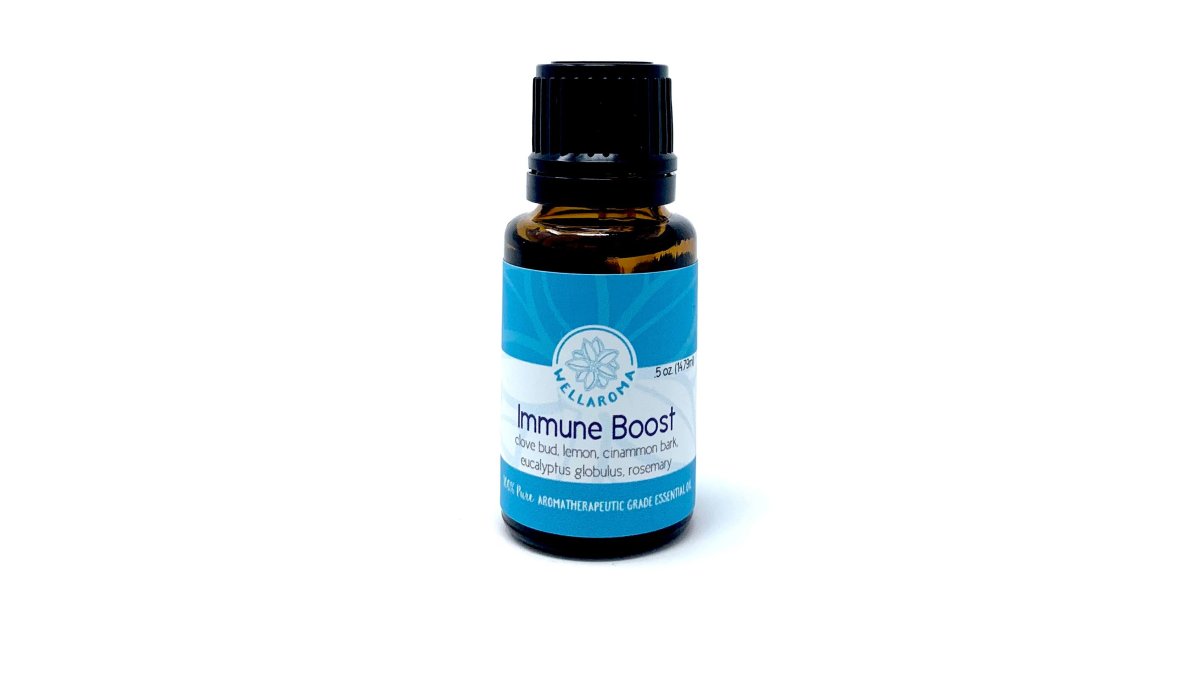
Building a toddler's immunity takes patience, consistency, and a little humility about what you can control. Wellaroma supports that work with gentle, pre-diluted essential oil blends made for kids, including our Immune Boost blend for diffusing and household use and the Mom Essential Bundle for year-round family support. Each product is crafted for sensitive skin and designed to fit into the daily routines that keep little ones healthy. Add to cart and give your family a gentler way to support immunity.
Frequently Asked Questions
What are some natural immune boosters for kids?
Whole foods rich in vitamin C, vitamin D3, and zinc form the base of natural immunity support for toddlers. Citrus fruits, leafy greens, lean protein, and yogurt with probiotics all help. Sleep, handwashing, and time outdoors matter just as much. For gentle support, pre-diluted essential oil blends made for children can be used as part of a daily routine. Always check with your pediatrician before starting any supplement.
What vitamins are good for the immune system for toddlers?
Vitamin C, vitamin D3, and zinc are the three most studied immune-supporting nutrients for young children. Vitamin C appears in citrus fruits and leafy greens; vitamin D3 comes from sunlight, fortified milk, and fatty fish; zinc is found in lean protein and beans. A pediatrician can confirm whether your toddler needs a supplement based on their dietary intake and any nutritional deficiency.
How can I naturally strengthen my toddler's immune system?
Focus on four pillars: whole foods, consistent sleep, frequent handwashing, and age-appropriate essential oil use. Toddler immune system development continues through age three, so gentle support matters more than aggressive intervention. Offer a variety of micronutrients daily, keep a predictable bedtime, and teach handwashing before meals. For extra support during back-to-school health season or winter, a pre-diluted kids' immune roller can be added to the routine.
Are essential oils safe for toddlers?
Essential oils can be safe for toddlers when properly diluted and used topically or in a diffuser. Never apply undiluted oils to a child's skin, avoid the face and hands, and patch-test first. Products formulated specifically for children, like pre-diluted rollers, take the guesswork out of measuring.

Leave a comment