


Natural Body Care for Family Wellness: A 2026 Guide
Table of Contents
- Why Natural Body Care Matters for Family Wellness
- Natural Ways to Boost Child Immunity Through Body Care
- Holistic Skin Treatments for Molluscum: A Gentle Approach
- Safe Aromatherapy for Family Wellness: Dilution and Daily Use
- Age-Specific Body Care Guidelines for Every Family Member
- Budget-Friendly DIY Natural Alternatives and Seasonal Adjustments
- Frequently Asked Questions
Last Updated: September 16, 2026
Why Natural Body Care Matters for Family Wellness
Natural body care means cleansing, moisturizing, and protecting skin with plant-based oils, botanical extracts, and minimally processed ingredients instead of synthetic fragrances, harsh surfactants, and preservatives. This guide from Wellaroma covers why that shift matters and how to build a routine that holds up on a busy weekday.
The Skin Barrier and Environmental Toxins
Your skin barrier is the outermost layer of skin, made of lipids and proteins that lock in moisture and keep irritants out. When it's compromised, you get dryness, redness, itching, and an easier path for irritants to reach deeper layers.
Natural Ways to Boost Child Immunity Through Body Care
No single product boosts immunity, and any brand claiming otherwise is overselling. Body care can support the conditions where a child's immune system works well: intact skin, good sleep, low stress, and consistent habits. The skin is part of the immune system, not a passive wrapper around it.
The Skin-Immunity Connection, Explained Simply
The skin barrier and immune system are physically linked. The stratum corneum is built from corneocytes held together by a lipid matrix of ceramides, cholesterol, and free fatty acids. When that matrix is intact, it keeps irritants, allergens, and microbes out. When harsh surfactants, synthetic fragrance, or over-scrubbing disrupt it, gaps form and the immune system responds with inflammation, which is why a child with a compromised barrier often shows redness, itching, and reactivity that looks like an allergy but is really barrier damage.
Nutrition and Hydration: The Inputs That Matter Most
- Fatty acids. Omega-3s (salmon, sardines, walnuts, flax, chia) and omega-6s support the lipid matrix that holds the barrier together; a very low-fat diet shows up as dry, dull skin.
- Zinc. Found in meat, beans, nuts, and whole grains, zinc supports skin repair and immune function. Deficiency is uncommon in well-fed children but occurs with restricted diets.
- Vitamin C and vitamin E. Antioxidants that protect skin cells from oxidative stress; citrus, bell peppers, broccoli, almonds, and sunflower seeds cover most of the need.
- Water. No fixed ounce target fits every child; thirst and pale-yellow urine are reasonable guides. Chronically dry skin usually reflects barrier and environment more than hydration.
A practical rule: if you are buying a supplement to fix your child's skin, check with your pediatrician first. Most children get what they need from food, and supplements are not risk-free.
Sleep, Stress, and the Routine That Ties It Together
Sleep is when the body does most of its repair work, including skin cell turnover; short sleep shows up as more inflammation and slower healing. Stress raises cortisol, which can increase oil production and flare existing skin conditions.
- Choose a gentle, fragrance-light cleanser for baths
- Moisturize within three minutes of towel-drying, while skin is still damp
- Keep nails short to reduce scratching damage
- Wash bedding weekly in a fragrance-free detergent
- Track flare-ups in a notebook to spot patterns
- Keep bedtime consistent within a 30-minute window
Preventative Care with Essential Oil Rollers
Pre-diluted rollers make preventative care a habit: a roller stays by the bed or in a backpack, and one swipe on the soles of the feet takes seconds.
Holistic Skin Treatments for Molluscum: A Gentle Approach
Holistic skin treatments for molluscum support the skin's own healing rather than attacking bumps aggressively. Molluscum contagiosum is a poxvirus infection producing small, firm, dome-shaped bumps, often with a tiny central dimple (the CDC). It is common in young children and spreads through direct skin contact and shared objects.
What Gentle Care Actually Looks Like
- Keep the affected area clean and dry with a mild, fragrance-free cleanser
- Cover bumps loosely with clothing or a bandage to reduce scratching
- Use separate towels and washcloths per family member, and wash them in hot water
- Avoid sharing bath toys, razors, or sports equipment during an active outbreak
- Moisturize surrounding skin to keep it calm and reduce the itch-scratch cycle
- Keep nails short and filed smooth
Many parents report the condition resolves on its own over months, though it can take longer than anyone would like. If bumps become red, swollen, or painful, that signals secondary infection and warrants a call to your pediatrician.
Ingredients to Look For, and What to Avoid
Because the goal is to calm skin without traumatizing it, the ingredient list matters more than the product name.
Supportive ingredients:
- Colloidal oatmeal, soothes itch and supports the barrier; look for it in fragrance-free creams and bath soaks
- Ceramides and shea butter, help rebuild the lipid matrix around the bumps
- Zinc oxide, a gentle barrier protectant that can help cover irritated areas
- Jojoba and sweet almond oil, lightweight carriers that moisturize without occluding
Ingredients to avoid during an outbreak:
- Synthetic fragrance and dyes, which can irritate already-reactive skin
- Alcohol-heavy toners and astringents
- Strong exfoliating acids (salicylic, glycolic) on or near the bumps
- "Natural" essential oil blends marketed as antiviral, many are untested for this use and can sensitize skin
Reading Labels Without Getting Fooled
"Natural" is not a regulated term on personal care labels; a product can say "natural" and still contain synthetic fragrance, preservatives, or surfactants. To read a label:
- Look at the first five ingredients. That is where most of the formula lives. If fragrance or alcohol is near the top, be cautious.
- Check for "fragrance" or "parfum." Either can hide dozens of undisclosed compounds and commonly triggers sensitive skin.
- Watch for "-paraben," "-phthalate," and "methylisothiazolinone." Preservatives and plasticizers some families choose to avoid.
- Ignore front-of-bottle claims. "Dermatologist-tested," "hypoallergenic," and "clean" are marketing terms, not regulated standards.
Age-Specific Adjustments
- Infants and toddlers: Plain, fragrance-free moisturizers and gentle cleansers only. Skip essential oil products unless a pediatrician approves.
- School-age children: Cover bumps during play and keep towels and bath toys separate. Consistency matters more than any single product.
- Teens: Hormonal skin is more reactive, so keep the routine minimal, a gentle cleanser and ceramide moisturizer cover most needs.
- Adults: Treat your own skin the same way; the virus does not care about age, and a compromised barrier on any family member makes spread easier.
Safe Aromatherapy for Family Wellness: Dilution and Daily Use
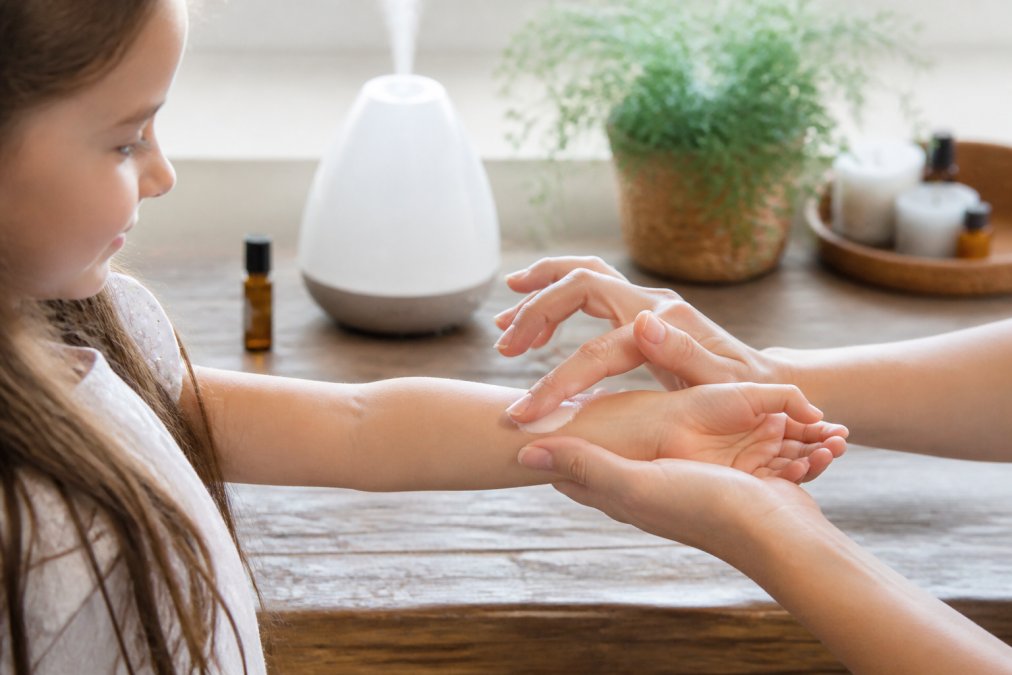
Safe aromatherapy for family wellness comes down to dilution. Essential oils are concentrated plant compounds, and undiluted application can cause irritation or sensitization, especially in children.
| Product | Format | Key Ingredients | Best For |
|---|---|---|---|
| Mom Essential Bundle | 5 rollers | Citrus, floral, belly blend | Whole-household support |
| Cold & Flu Away Kids | Pre-diluted roller | Thyme, tea tree, lemon, frankincense, cypress | Cold and flu season prevention |
| Bedtime Calm (Kids) | 1 oz cream | Roman chamomile, lavender, palmarosa, vetiver | Settling kids before bed |
| Cold Free (Kids) | 2 oz cream | Silver fir, cypress, thyme, fragonia | Colds, used day and night |
Age-Specific Body Care Guidelines for Every Family Member
Here's how the guidance differs:

Infants (under 2): Unscented, minimal-ingredient cleansers and moisturizers only. Skip essential oil blends unless a pediatrician approves; their skin barrier is still developing.
Budget-Friendly DIY Natural Alternatives and Seasonal Adjustments
You don't need a shelf full of products to care for a family's skin, a few basics cover most needs, and the rest is seasonal adjustment.
Budget swaps that work:
- Plain colloidal oatmeal in a warm bath instead of a specialty soak
- Coconut oil as a body moisturizer for adults and older kids
- A single fragrance-free detergent for the whole household
- Reusable cotton rounds instead of disposable wipes
Frequently Asked Questions
What are the best natural ingredients to look for in family body care?
Look for plant-based oils like coconut, jojoba, and olive oil, plus botanical extracts such as chamomile and lavender. These ingredients nourish the skin barrier and provide anti-inflammatory benefits without synthetic fragrances or parabens. For children, choose products with pre-diluted essential oils, like Wellaroma's Cold & Flu Away Kids roller, which uses coconut oil as a carrier and therapeutic-grade oils. Always check labels for organic certification and avoid anything with phthalates or artificial colors.
Are essential oils safe for children's skincare routines?
Yes, when properly diluted. Wellaroma, owned by a NAHA certified aromatherapist, follows safety guidelines from Robert Tisserand's Essential Oil Safety. For children under 2, avoid preventative essential oil use. For ages 2 and up, choose pre-diluted blends like Bedtime Calm (Kids) & Teething Support, which is customized to your child's age range. Always patch-test first and consult a pediatrician if your child has sensitive skin or medical conditions.
How can I transition my family to a non-toxic skincare routine?
Start by swapping one product at a time, such as body wash or lotion, for a natural alternative. Read labels to avoid parabens, sulfates, and synthetic fragrances. Introduce gentle options like Wellaroma's Mom Essential Bundle, which includes pre-diluted rollers for immunity and relaxation. Gradually replace drugstore items with organic shower oils and healing creams. This step-by-step approach reduces overwhelm and lets you see how each family member's skin responds.
How does natural body care contribute to overall family wellness?
Natural body care supports the skin microbiome and reduces exposure to environmental toxins, which can trigger sensitivity or allergies. By using plant-based oils and botanical extracts, you nourish the skin barrier and promote hydration. Ingredients like those in Wellaroma's Cold Free (Kids) cream offer preventative care during cold season, while holistic practices like aromatherapy enhance relaxation and immunity. A consistent natural routine builds long-term dermatological health for everyone.
Building a natural body care routine for a family is less about finding the perfect product and more about consistency, correct dilution, and knowing when to ask a professional. Wellaroma makes that easier with age-specific dilution on every children's cream, pre-diluted rollers that are ready the moment you need them, and formulas built by a NAHA certified aromatherapist for sensitive and dry skin. Add to cart and start with the product that matches your family's biggest daily challenge.

Leave a comment