


Gentle Care for Sensitive and Dry Skin: A Clean Skincare Guide
Table of Contents
- Understanding Sensitive and Dry Skin Types
- The Importance of a Gentle Cleansing Routine
- Natural Body Wash for Sensitive Skin
- Clean Skincare Ingredients to Avoid
- How to Repair Skin Barrier for Dry Skin
- Your Step-by-Step Clean Skincare Routine for Sensitive and Dry Skin
- Managing Skin Reactivity and Patch Testing
- Frequently Asked Questions
Last Updated: October 1, 2026
Understanding Sensitive and Dry Skin Types
Sensitive skin reacts to environmental triggers, products, or ingredients with redness, itching, burning, or irritation. Dry skin lacks sufficient moisture and natural oils, causing tightness, flaking, and a compromised moisture barrier. These conditions often coexist, requiring thoughtful product selection and gentle care sensitive dry skin practices.
Both conditions trace back to a weakened moisture barrier, a protective layer of ceramides, lipids, and natural oils that defends against pollution, harsh weather, and irritating ingredients. When this barrier breaks down, water loss increases dramatically, leaving skin parched and reactive. Understanding this mechanism shapes your approach to cleansing, treatment, and daily maintenance.
Sensitive skin can be oily or combination; it reacts strongly to certain stimuli. Dry skin is a moisture condition that can exist independently. When both occur together, your strategy must address barrier repair while avoiding reactive triggers.
The Importance of a Gentle Cleansing Routine
Your cleanser sets the tone for your entire skincare regimen. A harsh cleanser strips away natural oils, damages the moisture barrier, and triggers inflammation. Many people unknowingly worsen their situation by using antibacterial soaps or astringent cleansers, which accelerate barrier breakdown.
Gentle care sensitive dry skin means using a cleanser that removes impurities and makeup without disrupting pH or depleting essential lipids. Look for non-stripping surfactants and soothing agents like chamomile or aloe. The cleanser should feel creamy; if your skin feels tight after cleansing, the product is too harsh for sensitive and dry skin care.
Double cleansing works well for sensitive skin if done correctly: start with an oil cleanser to dissolve makeup and sunscreen, then follow with a gentle water-based cleanser. Plant oils like jojoba reinforce barrier function rather than compromising it.
Lukewarm water is gentler on reactive skin than hot water, which accelerates moisture loss. Pat your skin dry rather than rubbing. Cleanse twice daily only if your skin tolerates it; some people with sensitive and dry skin do better with a full cleanse only at night and a simple rinse in the morning.
Natural Body Wash for Sensitive Skin
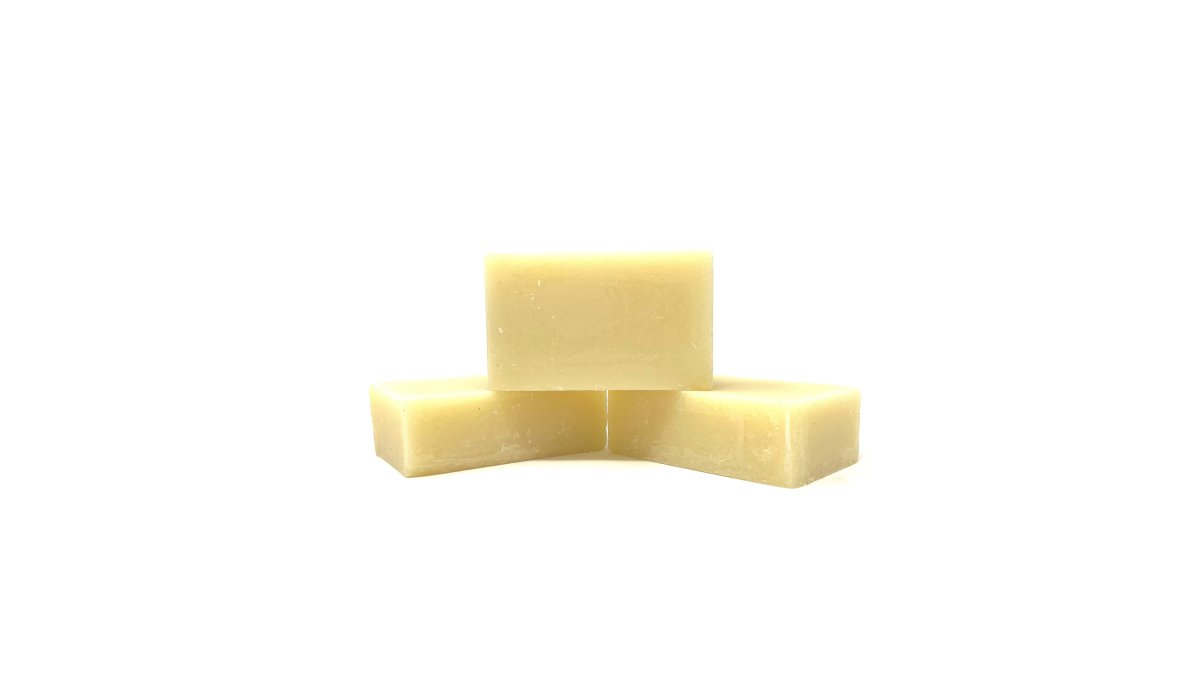
Natural body wash formulations avoid harsh sulfates, synthetic fragrances, and preservatives that trigger reactions in sensitive skin. The Wellaroma African Black Soap-Unscented is designed for sensitive and eczema-prone skin, made with charcoal from roasted cocoa pods and plantain skins blended with shea butter and coconut oil, cleansing without stripping natural oils for gentle care for sensitive and dry skin.

Look for products labeled fragrance-free (not unscented), free from parabens and SLS, and formulated with emollients like shea butter or plant oils. These support barrier repair while cleansing. Many commercial body washes marketed as "natural" still contain problematic surfactants; read ingredient lists carefully.
The Naked Soaps-Aloe Baby combines saponified organic oils with aloe vera, which reduces inflammation and supports skin healing. For sensitive and dry skin, this formulation provides both cleansing and therapeutic benefit with essential oils in small concentrations.
Use natural body washes with a gentle technique: apply, gently massage, and rinse promptly. Some find that limiting body wash to areas that need it (underarms, feet, areas prone to sweat) and rinsing with water elsewhere reduces irritation.
Clean Skincare Ingredients to Avoid
Alcohol denat evaporates quickly and leaves skin stripped and tight. Essential oils are highly concentrated plant compounds that irritate sensitive skin, particularly in high concentrations. Fragrance, whether synthetic or natural, is a leading cause of contact dermatitis in reactive skin.
Sodium lauryl sulfate (SLS) and related sulfates disrupt the skin barrier and cause burning or itching in sensitive individuals. Parabens and formaldehyde-releasing preservatives trigger reactions in some with sensitive skin.
Astringent ingredients like witch hazel worsen dryness. Retinoids, vitamin C derivatives, and benzoyl peroxide are too strong for compromised barriers and should be avoided until your skin stabilizes.
Choose products with minimal ingredient lists, fewer ingredients mean fewer potential irritants. Hypoallergenic and non-comedogenic formulations are designed with sensitive skin in mind. Patch test on a small area and wait 24-48 hours before full application.
African Black Soap-Unscented (Sensitive Eczema Prone Skin) →
How to Repair Skin Barrier for Dry Skin
Barrier repair requires consistency and patience; expect improvement within 2-4 weeks. The strategy involves avoiding further damage, replenishing lipids, and supporting the skin's natural healing mechanisms.
Ceramides form the structural foundation of your skin barrier. When levels drop, water escapes, leaving skin parched and reactive. Look for ceramide NP, ceramide AP, or ceramide EOP to directly replace what's been lost.
Humectants like glycerin and hyaluronic acid draw water into the skin only when the barrier is intact.
Your Step-by-Step Clean Skincare Routine for Sensitive and Dry Skin
A consistent routine protects your barrier and prevents reactive flare-ups. The routine differs slightly between morning and evening, with evening focused on deeper repair and morning focused on protection and preparation for the day.
Morning Routine
Begin with a gentle rinse using lukewarm water. If you cleanse fully, use a mild cleanser like the African Black Soap-Unscented or Naked Soaps-Aloe Baby, massaging gently for 30 seconds. Pat your face dry, leaving it slightly damp.

Evening Routine
Start with an oil cleanser if you're wearing makeup or sunscreen. Massage gently for 30-60 seconds, then add a small amount of water to emulsify the oil and rinse completely. Follow with your gentle water-based cleanser for a second cleanse.
Managing Skin Reactivity and Patch Testing
Even with the best routine, occasional reactions can occur. Reactivity management involves two strategies: identifying and avoiding triggers, and having a protocol for calming flare-ups when they happen.
| Step | Duration | Frequency |
|---|---|---|
| Gentle cleanse | 1 minute | Twice daily (or once if sensitive) |
| Apply hydrating serum | 2 minutes | Twice daily |
| Apply moisturizer | 2 minutes | Twice daily |
| Sunscreen application | 2 minutes | Once daily (morning) |
| Weekly nourishing mask | 15-20 minutes | Once weekly |
| Patch test new products | 48 hours | Before first full use |
Frequently Asked Questions
What is the best skincare routine for dry and sensitive skin?
A gentle routine for sensitive and dry skin follows these core steps: cleanse with a mild, fragrance-free cleanser; apply a hydrating toner or essence; use a soothing serum with calming ingredients like chamomile or helichrysum; moisturize with emollients and occlusives to support barrier repair; and apply SPF 50 sunscreen daily. Avoid astringent products, exfoliants, and anything with fragrance or dyes. Consistency matters more than complexity, stick with the same products for at least two weeks before introducing new ones.
What clean skincare ingredients should I avoid if I have reactive skin?
Avoid fragrance (synthetic and essential oils in high concentrations), sulfates (SLS and SLES), parabens, alcohol denat, phenoxyethanol, and strong astringents. Also skip physical scrubs and chemical exfoliants like AHAs and BHAs if your skin is actively inflamed. Instead, look for hypoallergenic, non-comedogenic products with ceramides, humectants like glycerin, and soothing agents. Patch test any new product on your inner arm or behind your ear for 24-48 hours before applying to your face.
How do I repair my skin barrier if I have dry skin?
Barrier repair requires three layers: cleanse gently without stripping oils, apply hydrating serums with humectants to draw moisture in, and seal with occlusives like jojoba oil, shea butter, or ceramide-rich moisturizers. Use lukewarm water, not hot, and pat skin dry gently. Avoid over-cleansing and skip exfoliation entirely during repair. Focus on products labeled dermatologist-tested and designed for barrier support. Most people see improvement in 2-4 weeks of consistent, gentle care.
Can natural oils and essential oils help with sensitive and dry skin?
Natural oils like jojoba oil, coconut oil, and shea butter can support dry skin when used as occlusives to lock in moisture. However, essential oils should be used cautiously and only in properly diluted formulations, never apply undiluted essential oils directly to sensitive skin. Look for products where essential oils are already blended into serums or cleansers at safe concentrations. Always patch test first, as some people with reactive skin may still experience irritation from certain oils.
What's the difference between morning and evening routines for sensitive skin?
Morning routines should be minimal and protective: gentle cleanse, hydrating serum, lightweight moisturizer, and SPF 50 sunscreen. Evening routines can be more involved: gentle cleanse, toner or essence, hydrating serum (like our R4 Serum with jojoba oil and chamomile at $34.95), richer moisturizer, and optional overnight mask. Evening is when you can use slightly richer products and active ingredients because your skin isn't exposed to external aggressors. Sunscreen is non-negotiable in the morning to prevent inflammation from UV exposure.
How do I know if a product is truly clean and safe for sensitive skin?
Look for products labeled fragrance-free (not unscented), hypoallergenic, non-comedogenic, and dermatologist-tested. Check the ingredient list for the absence of parabens, SLS, and synthetic dyes. Transparent brands list ingredients clearly and explain their purpose. Choose products made with organic or naturally derived ingredients when possible. Our African Black Soap ($5.99) is handcrafted without parabens, SLS, fragrance, or dyes, and made with shea butter and coconut oil, ideal for sensitive skin.
Should I use sheet masks if I have sensitive and dry skin?
Yes, sheet masks can be beneficial if chosen carefully. Look for hydrating masks with soothing ingredients and avoid those with fragrance or alcohol. Our Avocado Banana Milk Hydrating Plant-Based Milk Mask ($5.00) provides deep moisturization with clean ingredients and a compostable sheet. Use masks 1-2 times per week as a boost to your routine. Leave the mask on for 15-20 minutes, then gently pat remaining essence into your skin. This adds a hydration layer without disrupting your barrier.

Leave a comment