


10 Natural Body Care Products Safe for Pregnancy
Table of Contents
- Quick Comparison: 10 Natural Body Care Products Safe for Pregnancy
- How Pregnancy Changes Your Skin and What It Needs
- Pregnancy Safe Skincare Ingredients to Avoid
- Essential Oils Safe for Pregnancy: What to Use and What to Skip
- 1. Body Wash: Vanilla Spice
- 2. Vanilla Spice Sugar Scrub
- 3. Lemon Rosemary Lotion
- 4. Lavender Orange Lotion
- 5. Lemon Bergamot Lotion
- 6. Lavender Eucalyptus Lotion
- 7. Vanilla Bloom Lotion
- 8. Body Butter - Vanilla Spice
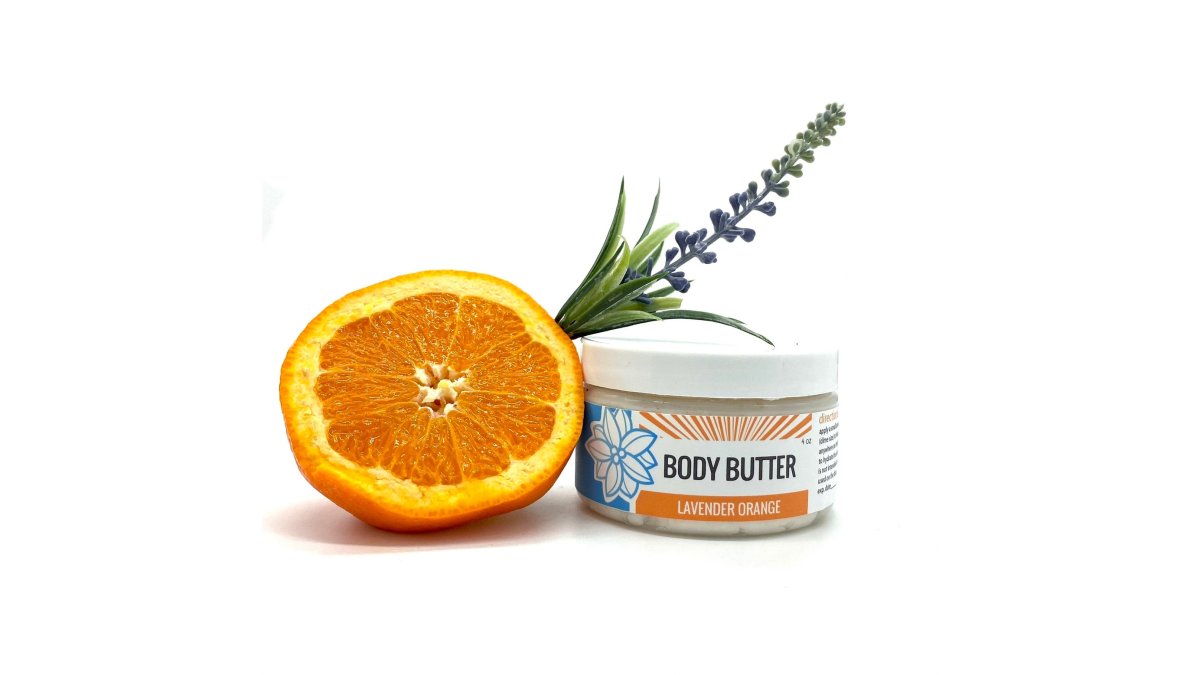
- 9. Body Butter - Lavender Orange
- 10. Body Butter - Grapefruit
- Frequently Asked Questions
Last Updated: September 19, 2026
Quick Comparison: 10 Natural Body Care Products Safe for Pregnancy
Finding 10 natural body care products safe for pregnancy starts with reading labels. Wellaroma built its line around plant oils, butters, and essential oils that avoid the ingredients most often flagged during pregnancy.
| Product | Type | Size | Price | Best For |
|---|---|---|---|---|
| Body Wash: Vanilla Spice | Body wash | 10 oz | $16.00 | All-over daily cleansing |
| Vanilla Spice Sugar Scrub | Sugar scrub | 12 oz | $15.50 | Gentle exfoliation |
| Lemon Rosemary Lotion | Lotion | 4 oz | $20.00 | Daily hydration |
| Lavender Orange Lotion | Lotion | 4 oz | $20.00 | Evening wind-down |
| Lemon Bergamot Lotion | Lotion | 4 oz | $20.00 | Morning refresh |
| Lavender Eucalyptus Lotion | Lotion | 4 oz | $20.00 | Post-shower calm |
| Vanilla Bloom Lotion | Lotion | 4 oz | $20.00 | Dry, chapped skin |
| Body Butter - Vanilla Spice | Body butter | 4 oz | $22.00 | Stretch mark care |
| Body Butter - Lavender Orange | Body butter | 4 oz | $22.00 | Extra moisture |
| Body Butter - Grapefruit | Body butter | 4 oz | $22.00 | Light, fresh finish |
How Pregnancy Changes Your Skin and What It Needs
Hormonal shifts during pregnancy affect oil production, melanin, and moisture loss, often producing dryness, breakouts, and sensitivity at once.


Hormonal Changes, Sensitivity, and the Skin Barrier
Rising estrogen and progesterone can trigger melasma, hormonal acne, and stretch marks, while the skin barrier becomes more reactive, so ingredients that never bothered you may now sting or itch.
Pregnancy Safe Skincare Ingredients to Avoid
Avoid retinoids, hydroquinone, high-dose salicylic acid, and phthalates and parabens in fragrance. These are the ingredients most consistently flagged for pregnancy, but the why matters, because it tells you how strict to be with each one.
Ingredient Interaction Safety: What Not to Layer
Most pregnancy skincare guidance covers single ingredients but skips what happens when you combine them. Two ingredients that are fine alone can irritate skin when layered, especially on an already-reactive barrier.
- Vitamin C plus strong exfoliating acids (glycolic, lactic, mandelic). Both lower skin pH and increase penetration, so layering them commonly causes stinging and redness. Alternate them, vitamin C in the morning, acid at night.
- Multiple essential-oil-heavy products back to back. A body wash, lotion, and body butter each containing lavender or citrus oils stack their cumulative concentration on the same skin. Even when each is properly diluted, the total load can trigger sensitivity. Pick one scented step per routine.
- Retinol-adjacent "natural" alternatives plus acids. Bakuchiol is marketed as a pregnancy-safe retinol alternative but is often paired with exfoliating acids in the same serum. If you use bakuchiol, don't stack it with an AHA or BHA on the same night.
- Body butter over lotion. This is less an irritation risk than a waste. A butter is an occlusive that seals in what's underneath, so applying it over unabsorbed lotion dilutes both. Apply lotion first, wait two to three minutes, then butter only on the driest areas.
Essential Oils Safe for Pregnancy: What to Use and What to Skip
Essential oils safe for pregnancy generally include lavender, sweet orange, lemon, bergamot, eucalyptus, and vanilla in properly diluted formulas. Skip or use with caution clary sage, high-dose rosemary, wintergreen, and any oil your provider flags.
Dilution: The Number That Actually Matters
For leave-on body products during pregnancy, most practitioners and aromatherapy guidelines point to a maximum of about 1% essential oil by volume, roughly 5 to 6 drops per ounce of carrier. Rinse-off products like body wash or scrub commonly run 1-2% because contact time is short. Above 2% in a leave-on product, sensitivity and absorption concerns compound.
Topical vs. Inhalation: Two Different Risk Profiles
A lot of pregnancy essential-oil guidance conflates these. They're not the same exposure.
- Topical exposure is about skin absorption and local irritation, driven by dilution percentage, application area, and barrier condition. Thin skin, belly, breasts, inner arms, absorbs more than the soles of your feet.
- Inhalation exposure is about how much volatile compound reaches your bloodstream through the lungs. Diffusing lavender in a bedroom is a very different dose than rubbing a 1% lavender lotion on your legs. Most providers are comfortable with occasional diffusing of gentle oils in a ventilated room, less so with continuous, closed-door diffusing, especially in the first trimester.
Oils Commonly Flagged and Why
- Clary sage. Traditionally associated with uterine activity and often cited in midwifery contexts for labor. Most providers recommend avoiding it entirely during pregnancy, including in massage blends.
- Rosemary. Fine in culinary amounts and properly diluted body products, but flagged at high doses or in concentrated massage oils because of its camphor-like compounds.
- Wintergreen. Contains methyl salicylate, chemically related to aspirin. Avoid topical wintergreen products, including many "muscle rub" balms.
- Peppermint. Generally low-risk in small amounts, but strong peppermint can cause heartburn and reflux, already common in pregnancy. Use sparingly.
- Citrus oils (lemon, bergamot, grapefruit, orange). Safe in dilution but phototoxic, they increase sun sensitivity. With a citrus-scented lotion, apply sunscreen to exposed skin or use it at night.
1. Body Wash: Vanilla Spice
A gentle daily cleanser is the foundation of any pregnancy body care routine, and this one is built on organic coconut, olive, and jojoba oils with vegetable glycerin and organic guar gum, formulated for all skin types including sensitive skin.
2. Vanilla Spice Sugar Scrub
Gentle exfoliation during pregnancy helps with dullness and rough patches, but harsh scrubs strip the barrier. This one uses natural and organic cane sugar with jojoba oil, coconut oil, cacao butter, and avocado oil to buff and moisturize in one step.
3. Lemon Rosemary Lotion
Daily moisture matters more during pregnancy because skin stretches and loses water faster. This lotion pairs lemon, rosemary, and dragon's blood essential oils with a base of aloe, shea butter, sunflower, olive, flaxseed, hemp seed, and jojoba oils.
4. Lavender Orange Lotion
For a lotion that doubles as part of an evening wind-down, this is the pick. Lavender and orange essential oils sit on the same aloe and shea base as the other Wellaroma lotions, with dragon's blood added.
5. Lemon Bergamot Lotion
For a brighter, more energizing scent, lemon and bergamot lead this formula. The base is identical to the other lotions in the line, so you're choosing on scent, not performance.
6. Lavender Eucalyptus Lotion
Lavender and eucalyptus give this lotion a spa-like, slightly medicinal scent that works well after a shower. Same aloe and shea base, same $20.00 for 4 oz.
7. Vanilla Bloom Lotion
Vanilla, ylang ylang, and dragon's blood make this the softest-scented lotion in the lineup, designed for dry, chapped skin from cold weather, frequent hand washing, or sun exposure.
8. Body Butter - Vanilla Spice
Body butters seal in moisture and stay on skin longer than a lotion. This one uses mango butter, cacao butter, avocado oil, and vitamin E with vanilla, all spice, and cinnamon leaf essential oils.
9. Body Butter - Lavender Orange
The lavender-orange body butter pairs the same mango and cacao butter base with a softer, floral-citrus scent. It's a good option if the spice-forward butters feel too heavy for your taste.
Same $22.00 price, same one-to-two-month lifespan per tub.
10. Body Butter - Grapefruit
Grapefruit essential oil gives this butter a light, fresh finish for warmer months. The base is the same mango butter, cacao butter, avocado oil, and vitamin E blend.
The best pregnancy body care routine is simple: a gentle wash, a moisturizer applied within a few minutes of showering, and a richer butter at night for stretching skin. More products rarely means better results.
Frequently Asked Questions
What body care ingredients should be avoided during pregnancy?
Avoid retinoids, hydroquinone, and high-dose salicylic acid in leave-on products. Skip phthalates, parabens, and synthetic fragrance, which can disrupt hormones or irritate sensitive skin. Benzoyl peroxide is sometimes used for acne but check with your doctor first. Read labels for fragrance-free and hypoallergenic options, and look for Made Safe Certified products when possible. When in doubt, ask your healthcare provider before using any new ingredient.
Are essential oils safe to use during pregnancy?
Some essential oils are considered safe for pregnancy when diluted properly, including lavender, orange, lemon, and bergamot in low concentrations. Others, like rosemary and eucalyptus in high doses, are best avoided or used only after checking with your doctor. Always dilute essential oils in a carrier oil or lotion base before applying to skin. Patch test on a small area first, and keep use to the third trimester unless your provider approves earlier use.
How can I maintain a natural skincare routine while pregnant?
Keep it simple: a gentle body wash, a fragrance-free or naturally scented lotion, and a mineral sunscreen with zinc oxide or titanium dioxide. Avoid retinoids, hydroquinone, and high-dose salicylic acid. Use lukewarm water and pat skin dry instead of rubbing. Moisturize within three minutes of showering to lock in hydration. Add a sugar scrub once a week for gentle exfoliation, and always patch test new products on your inner arm first.
What are the best natural moisturizers for pregnancy-related dry skin?
Look for moisturizers with shea butter, jojoba oil, coconut oil, ceramides, or hyaluronic acid. These ingredients support the skin barrier and lock in hydration without harsh additives. Body butters made with mango butter and avocado oil work well for extra-dry areas like the belly and thighs. Apply while skin is still damp after a shower to trap moisture. Avoid products with synthetic fragrance or drying alcohols, which can worsen sensitivity.
Is it safe to use organic body oils during the first trimester?
Many organic body oils are safe during the first trimester when they contain gentle carrier oils like jojoba, coconut, or avocado. Avoid essential oil blends with rosemary, clary sage, or high concentrations of eucalyptus until you check with your provider. Stick to unscented or lightly scented oils in the first trimester, and always do a patch test. If you have sensitive skin or a history of reactions, ask your doctor before adding any new oil to your routine.
Pregnancy skin care comes down to reading labels carefully and choosing fewer, better-formulated products. Wellaroma makes that easier with a line built on organic oils, essential-oil scent, and formulas suitable for sensitive and dry skin, including a body wash, sugar scrub, six lotions, and three body butters. If you want a routine that's gentle enough for pregnancy and pleasant enough to actually use daily, browse the Wellaroma collection and add to cart with confidence.

Leave a comment